
The best rugged phone in NZ overall is the Gigaset GX4 PRO, thanks to its MIL-STD-810H military certification, IP68 waterproofing and swappable 5000mAh battery in a body that is less bulky than most rivals.
Kiwi tradies, farmers and weekend trampers put phones through more than the average commuter ever will. A regular flagship survives a soft drop onto carpet. It does not survive a fall off scaffolding, a dunk in a river crossing, or a day covered in concrete dust.
This guide covers five rugged Android phones worth buying in New Zealand right now, checked against real IP68/IP69K and MIL-STD-810H claims, genuine battery figures, and features that matter outdoors rather than spec-sheet padding. Readers who do not need this level of armour may be better served by our guides to the best smartphones or mid-range smartphones, which cover mainstream picks instead.
Quick comparison
| Phone | Best for | Battery | Rugged rating | Standout feature |
|---|---|---|---|---|
| Gigaset GX4 PRO | Best overall | 5000mAh removable | MIL-STD-810H, IP68 | Swappable battery, bright sunlight display |
| Ulefone RugKing 4 Pro | Best battery life | 10,000mAh | MIL-STD-810H, IP68, IP69K | Built-in Super Torch flashlight |
| Unifone S22 Rugged Flip Phone | Best for simplicity | 2000mAh removable | MIL-STD-810H, IP68 | Physical keypad, no touchscreen to crack |
| Ulefone RugKing 3 Pro | Best display | 5600mAh | MIL-STD-810H, IP68, IP69K | 6.56-inch 120Hz screen, NFC and PTT button |
| FOSSiBOT F114 | Best slim design | 5000mAh | MIL-STD-810H, IP68, IP69K | 10.88mm thin, 2-year warranty |
1. Gigaset GX4 PRO
The Gigaset GX4 PRO is the best all-round rugged phone in NZ, pairing military-grade toughness with a screen and camera that do not feel like an afterthought.
It measures 160.9 x 80 x 12.2mm and weighs 270g, with a textured polycarbonate back that keeps it noticeably less bulky than most rugged rivals.
The AU/NZ colourway is black only, built around an aluminium, magnesium and titanium frame under a TPU housing, with a 6.1-inch HD+ display protected by Corning Gorilla Glass 5.
It carries full MIL-STD-810H certification and an IP68 rating good for 1.5m of water for 30 minutes, and the housing can be wiped down with soap, disinfectant or alcohol without issue.
A programmable side key can be set to torch, camera, SOS or Google Assistant, and a ring of LEDs around the rear camera doubles as a notification light and extra torch. A fingerprint reader is built into the power button alongside face unlock, and the tray takes a SIM, an eSIM and a microSD card at once.
Inside is a MediaTek Helio G99 chipset with 6GB of RAM and 128GB of storage, and the 5000mAh battery is removable, rated for up to 45 hours of talk time and supports 30W wired fast charging.
The main trade-off is the 48MP camera, which stays decent in good light but produces blurry zoom shots, and there is no 5G here, just 4G/LTE. The 720p-class HD+ resolution and 60Hz refresh rate also trail flagship-tier screens.
Pros
- Genuine MIL-STD-810H and IP68 certification from a German manufacturer
- Removable 5000mAh battery with 30W fast charging
- Bright, glass-protected 6.1-inch display usable in direct sun
- Programmable function key plus fingerprint and face unlock
Cons
- Main camera struggles with zoom shots and low light
- 4G/LTE only, no 5G
- Heavier than a mainstream phone at 270g
Key specs: model GX4 PRO, MediaTek Helio G99, 6GB RAM/128GB storage, MIL-STD-810H + IP68, 5000mAh removable battery, 48MP+8MP rear camera, Android 14 with security updates guaranteed to Q1 2028.
2. Ulefone RugKing 4 Pro
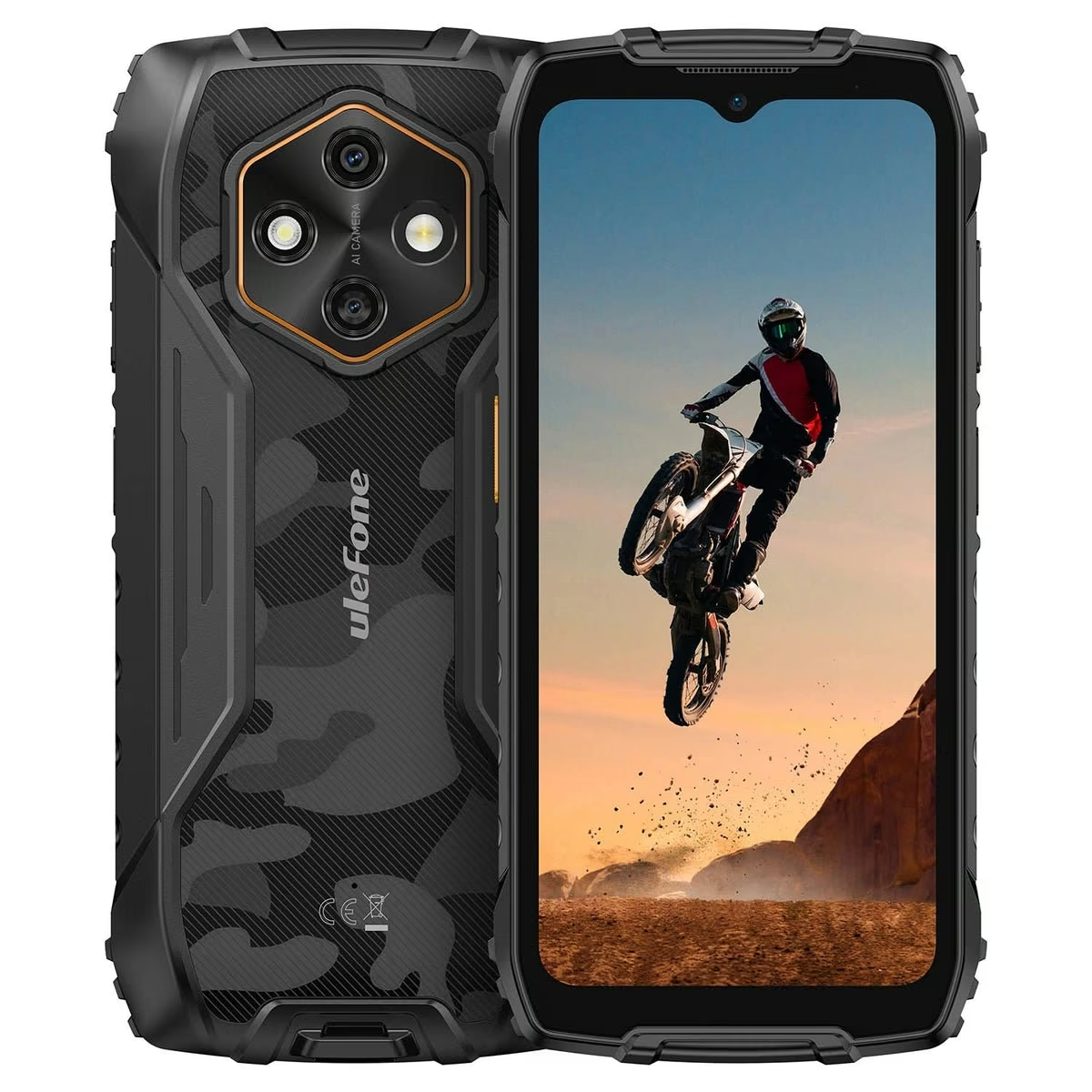
The Ulefone RugKing 4 Pro is the pick for anyone who wants a rugged phone that outlasts a full week away from a charger, backed by a genuinely bright built-in torch.
At 178.6 x 84 x 19.2mm and 405g, it is noticeably thicker and heavier than the Gigaset, sold in a black and orange colourway.
The 6.56-inch IPS display has a water-drop notch, a 120Hz refresh rate and an oleophobic coating that keeps fingerprints from lingering.
It is rated IP68 for 2m submersion over 30 minutes, adds an IP69K rating for high-pressure wash-downs, and carries full MIL-STD-810H certification.
The side-mounted fingerprint and power button doubles as a face unlock trigger, a dedicated button fires up the built-in Super Torch flashlight, Gloves Mode keeps the touchscreen usable with wet or gloved hands, and Water-Lock Mode disables the touchscreen so it can be used underwater without registering false taps.
The 10,000mAh battery (10,200mAh typical) is rated for up to 52 hours of talk time and 1,428 hours of standby, backed by 8GB of RAM and a 48MP rear camera that includes an underwater photo mode.
The trade-off for that battery is bulk: this is the heaviest phone in the line-up, and 18W charging takes around two and a half hours for a full top-up. There is no 5G and no OIS, and the 720p resolution on a 6.56-inch panel gives noticeably lower pixel density than the Gigaset.
Pros
- 10,000mAh battery lasts several days between charges
- IP68 and IP69K plus MIL-STD-810H covers both submersion and high-pressure wash-downs
- Built-in flashlight and Water-Lock Mode are genuinely useful outdoors
Cons
- Bulky and heavy at 405g and 19.2mm thick
- Charging is slow given the battery size
- No 5G
Key specs: model RugKing 4 Pro, Unisoc T7250, 8GB RAM/128GB storage (expandable to 2TB), 10,000mAh battery, 48MP+2MP rear camera, Android 15.
3. Unifone S22 Rugged Flip Phone
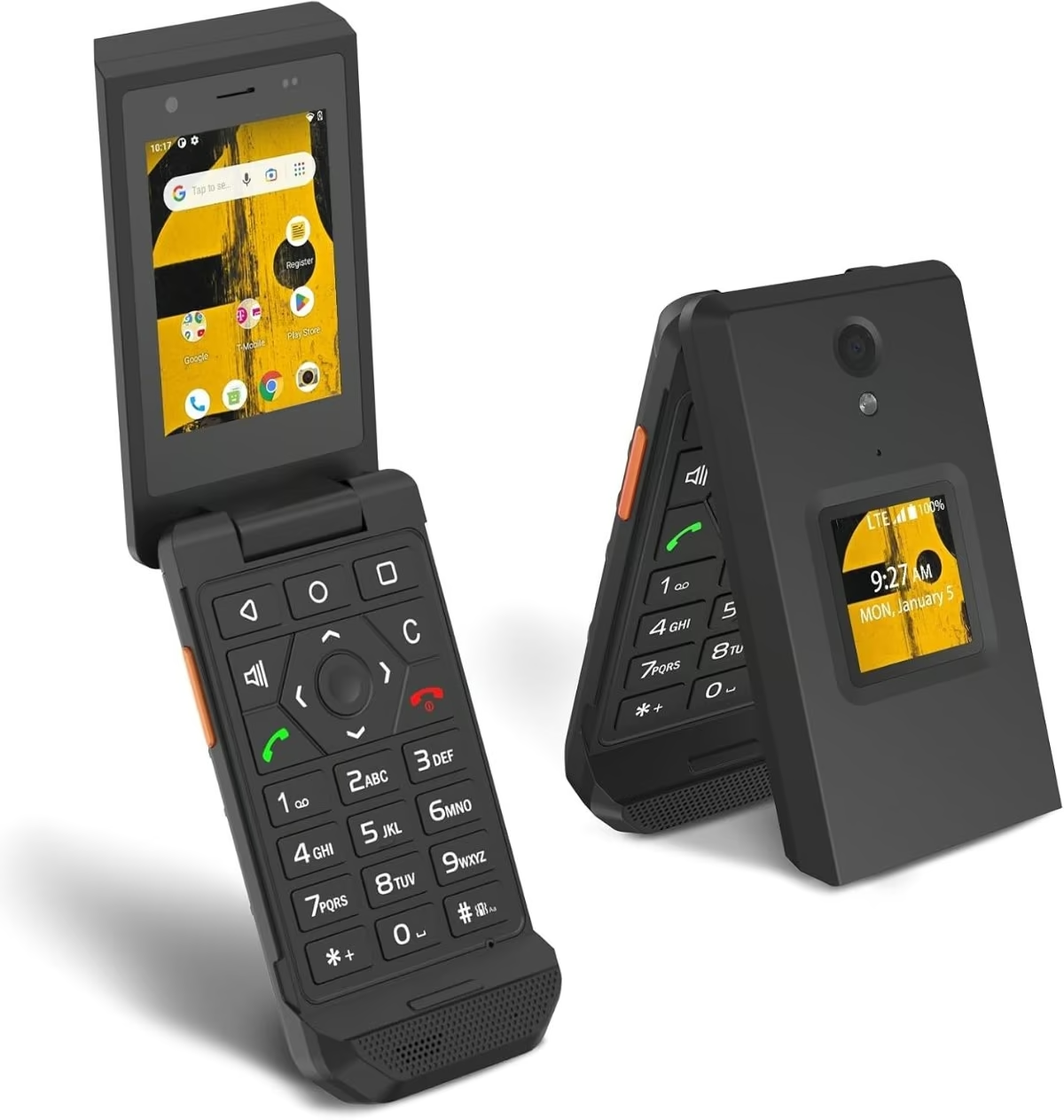
The Unifone S22 Rugged Flip Phone suits shoppers who want the basics done tough, without a touchscreen-sized attack surface to crack.
Folded, it measures 119.4 x 61 x 23mm and weighs 224g, in a classic flip form factor with physical number keys, a small 2.8-inch inner touchscreen and a 1.44-inch external display.
It comes in black only, with both screens protected by Corning Gorilla Glass 5 and chunky rubberised edges typical of the category.
It is IP68 rated for 1.5m of water over 35 minutes, is MIL-STD-810H compliant, and is rated to survive drops from 1.8m.
The physical keypad suits calls, texts and basic banking apps far better than a touchscreen in gloves or rain, the 2000mAh battery is removable for anyone working off-grid, and the built-in speaker is loud enough to hear on a job site.
A Qualcomm Snapdragon 215 chipset with 2GB of RAM and 16GB of storage runs Android 11 (Go edition), noticeably laggier navigating menus than the other four phones here, and the 5MP rear camera with flash is basic but usable for quick reference photos.
The small screens make browsing or app use uncomfortable beyond quick tasks, there is no 3.5mm jack without an adapter, and this device is built around US carrier bands. NZ buyers should confirm Spark, 2degrees or One NZ band compatibility, particularly Band 28, before relying on it as a primary phone.
Pros
- Physical buttons work reliably with gloves, wet hands or in bright sun
- Removable battery is easy to swap in the field
- Genuinely tough IP68 build in a pocketable flip form factor
Cons
- Snapdragon 215 chipset feels slow in everyday use
- Small screens make anything beyond calls and texts awkward
- Built around US carrier bands – confirm NZ network compatibility first
Key specs: model S22 Flip, Snapdragon 215, 2GB RAM/16GB storage, IP68 + MIL-STD-810H, 2000mAh removable battery, single Nano-SIM.
4. Ulefone RugKing 3 Pro
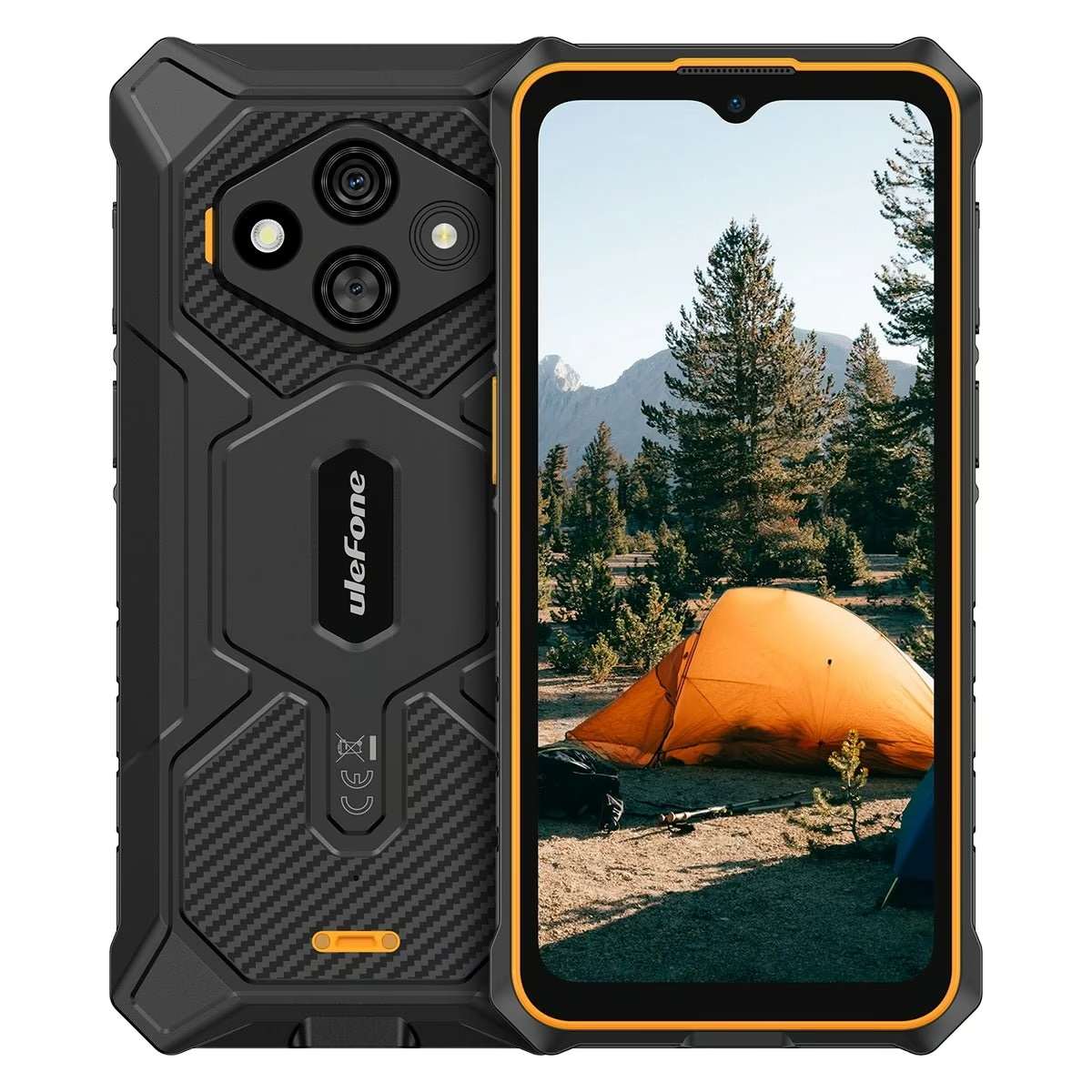
The Ulefone RugKing 3 Pro is the rugged phone to pick for anyone who wants a genuinely large, smooth screen without giving up drop and dust protection.
It measures 173.8 x 83 x 12.85mm and weighs 286g, noticeably slimmer than the RugKing 4 Pro, and comes in orange, black or green.
The 6.56-inch IPS display runs at 120Hz and is protected by Corning Gorilla Glass 3.
It carries IP68 and IP69K ratings plus full MIL-STD-810H certification, built to survive 2m drops onto concrete.
The Super Torch light, Gloves Mode, Water-Lock Mode and underwater camera mode all carry over from the RugKing line, and this model adds NFC plus a push-to-talk button useful for work radios or two-way calling apps, alongside face unlock and a standard fingerprint reader.
A Unisoc T7250 chipset runs alongside 8GB of RAM and 128GB of expandable storage, with a 5600mAh battery rated for around 28 hours of talk time and a 48MP main camera paired with an 8MP front camera.
The Unisoc chipset is a mid-range performer rather than a gaming chip, the camera setup is basic with no ultrawide or telephoto lens, and liquid damage is explicitly excluded from the standard warranty despite the water-resistance rating.
Pros
- Large 6.56-inch, 120Hz display is smooth for a rugged phone
- Slimmer and lighter than most rugged rivals at 12.85mm and 286g
- NFC and a PTT button add genuine field utility
Cons
- Mid-range Unisoc chipset is not built for gaming
- Basic dual-camera setup with no ultrawide or zoom lens
- Warranty excludes liquid damage despite the IP68/IP69K rating
Key specs: model RugKing 3 Pro, Unisoc T7250, 8GB RAM/128GB storage, MIL-STD-810H + IP68 + IP69K, 5600mAh battery, 48MP+2MP rear camera, Android 15.
5. FOSSiBOT F114
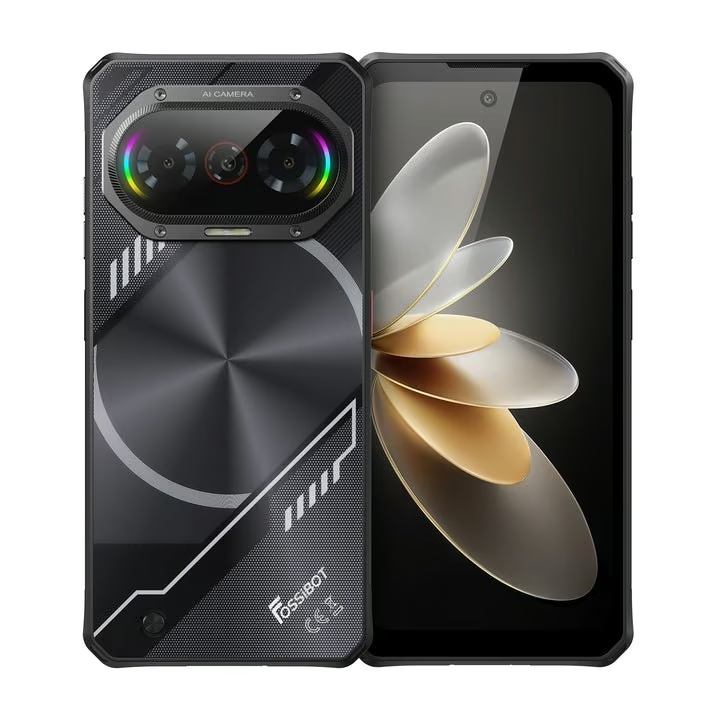
The FOSSiBOT F114 is the rugged phone for shoppers who want military-grade durability without carrying a brick, at just 10.88mm thick.
It measures 175 x 82.5 x 10.88mm and weighs 266g, genuinely slim and light for a certified rugged phone, in black.
The 6.67-inch IPS display has a punch-hole front camera, runs up to 120Hz, and owners note the screen coating resists fingerprints well.
It is IP68 and IP69K rated plus MIL-STD-810H certified against drop, shock, vibration and temperature extremes.
A side-mounted fingerprint scanner sits alongside face unlock, a Dynamic Breathing Light handles notifications, and there is a dual nanoSIM plus microSD slot. NFC is present but owners note it only reads transport cards rather than supporting full mobile wallet payments.
A Unisoc Tiger T615 chipset runs with 4GB of physical RAM (marketed with virtual RAM extension) and 128GB of storage, and the 5000mAh battery with 18W charging is rated for around 12 hours of talk time, paired with a 50MP main camera and an 8MP front camera.
Some owners report it feels larger in the hand than the spec sheet suggests, the NFC limitation rules out full contactless payment, and it is 4G only with no 5G.
Pros
- Slimmest and lightest phone in this line-up at 10.88mm and 266g
- Full IP68/IP69K plus MIL-STD-810H certification despite the slim build
- 2-year manufacturer warranty, longer than most rivals offer
Cons
- NFC only reads transport cards, no full mobile wallet support
- 4GB of physical RAM is modest even with virtual RAM expansion
- No 5G
Key specs: model F114, Unisoc Tiger T615, 4GB RAM/128GB storage, MIL-STD-810H + IP68 + IP69K, 5000mAh battery, 50MP+2MP rear camera, Android 15, 2-year manufacturer warranty.
How to choose a rugged phone
Match the IP rating to the job. IP68 covers accidental submersion in fresh water, which suits most trampers and weekend adventurers. Trade and construction workers who hose down gear or work around industrial spray should look for IP69K as well, since it covers high-pressure, high-temperature jets that IP68 alone does not.
Check for MIL-STD-810H if drops are the bigger risk. This US military test standard covers shock, vibration, temperature cycling and altitude, not just water and dust, so it is the better indicator for anyone who drops gear off ladders, scaffolding or ute trays.
Confirm NZ network band compatibility before buying. Spark’s 4G network needs Band 28 (700MHz) and Band 3 (1800MHz) support, and Spark, 2degrees and One NZ all use the n78 band for 5G. Rugged phones built primarily for the US or European markets do not always support these bands cleanly, so check the listing before relying on one as a primary phone, especially in rural coverage areas. A dedicated GPS navigation device is worth carrying alongside a rugged phone in areas where cellular coverage cannot be relied on at all.
Weigh battery size against bulk. A 5,000mAh battery suits phones aiming to stay pocketable, while anything from 10,000mAh up trades extra thickness and weight for multiple days away from a charger. For trips longer than any battery can manage, a power bank or a portable solar panel closes the gap without adding much weight to a pack.
Consider what extra features actually get used. A built-in torch, PTT button or glove-friendly touchscreen genuinely earns its place on a job site or hiking trail, similar to the hands-free light a dedicated headlamp provides. A specced-up camera or 5G connectivity matters more for anyone using their rugged phone as a full daily driver rather than a tough backup.
Rugged handsets are frequently grey imports, so confirm the model carries the 700MHz band before buying, the same check our guide to spark phones runs through.
Verdict
For most New Zealanders after one genuinely tough, well-rounded phone, the Gigaset GX4 PRO takes the top spot on build quality, display and battery balance. Tradies who prioritise runtime over slimness should look at the Ulefone RugKing 4 Pro, while anyone wanting the biggest, smoothest screen in a rugged body will prefer the Ulefone RugKing 3 Pro.
The FOSSiBOT F114 suits buyers who want military-grade toughness without the usual bulk, and the Unifone S22 Rugged Flip Phone remains a solid, simple option for basic calls and texts in physically demanding conditions.
All five have been checked against real IP68/IP69K and MIL-STD-810H certification, genuine battery figures and honest trade-offs rather than marketing claims. Prices and stock levels on Amazon Australia change regularly, so check the current listing before buying.
Frequently Asked Questions
Are rugged phones worth buying in NZ?
For tradies, farmers and regular outdoor users, yes. Rugged phones survive drops, dust and water that would crack or kill a standard phone, and can last years longer under hard daily use. For someone who mostly uses their phone indoors, a standard smartphone with a good case is usually enough.
What is the difference between IP68 and IP69K?
IP68 means a phone is dust-tight and can survive accidental submersion in fresh water beyond one metre for a set time. IP69K adds protection against high-pressure, high-temperature water jets, which matters for anyone hosing down gear on a work site. The toughest rugged phones carry both ratings.
What does MIL-STD-810H mean on a phone?
MIL-STD-810H is a US military test standard covering drops, shock, vibration, temperature extremes, humidity and altitude, not just dust and water. A phone certified to this standard has been tested against real physical abuse, making it a better indicator of drop survival than an IP rating alone.
Will a rugged phone work on Spark, 2degrees or One NZ?
Most modern rugged phones support the core 4G and 5G bands used across New Zealand, but not all of them, especially budget models built primarily for other regions. Confirm Band 28 (700MHz) support for reliable Spark coverage, and check the listing for New Zealand or Australian network compatibility first.
How long does a rugged phone battery last?
It depends on capacity. Phones with 5,000mAh to 10,000mAh batteries typically last one to two days of normal use, while phones above 10,000mAh can stretch to three to five days, which suits remote work trips or multi-day hikes away from reliable charging.
What is the difference between a rugged phone and a normal phone?
Rugged phones use reinforced internal frames, shock-absorbing materials and sealed ports to survive drops, dust and water, while regular smartphones rely on glass and adhesive that can fail after a single hard knock. Rugged phones are usually thicker and heavier in exchange for that extra protection.
Do rugged phones have good cameras?
Camera quality on rugged phones has improved a lot and no longer trails mainstream phones as badly as it once did, though most rugged models still use a single main sensor rather than the ultrawide and telephoto combinations found on flagship phones. Photos in good daylight are generally solid across the category.
Who actually needs a rugged phone?
Rugged phones suit tradies, farmers and site workers who regularly expose their phone to drops, dust or water, along with hikers, campers and anyone doing physically demanding outdoor work. Casual users who mostly stay indoors are unlikely to need the extra bulk and cost.
