
Zinc is an essential trace mineral that supports immune function, skin health, wound healing, and taste and smell, and in New Zealand it is commonly taken as a daily supplement for general immune and skin support.
The main types are zinc gluconate (the common, basic tablet form), zinc picolinate (often promoted for absorption), zinc amino acid chelate or diglycinate (bound to amino acids for gentler digestion), zinc citrate (a mild-tasting form used in dissolving tablets), and zinc sulfate (used in liquid drops).
Australian and New Zealand Nutrient Reference Values set the recommended dietary intake for zinc at 14 mg a day for adult men and 8 mg a day for adult women, with an upper limit of 40 mg a day for adults from all food and supplements combined. The criteria that matter are elemental zinc per serve, the zinc form, any added B6 or vitamin A, how easy the format is to take, and clear label directions.
This guide compares 10 zinc supplements available to New Zealand shoppers, covering tablets, capsules, a dissolving tablet, a powder and liquid drops.
Quick Comparison
| Pick | Best for | Form | Pack size | Key dose per serve |
|---|---|---|---|---|
| Thompson’s Organic Zinc Tablets | Simple daily top-up | Tablet | 80 tablets | 15 mg zinc |
| GO Healthy GO Zinc Complex VegeCapsules | Mixed zinc forms and extras | Vegecapsule | 60 capsules | 15 mg zinc + vitamin C 300 mg |
| BePure Zinc Restore Capsules | Picolinate fans | Capsule | 30 capsules | 15 mg zinc + vitamin C 300 mg |
| Blackmores Bio Zinc Tablets | Trusted-brand combination | Tablet | 84 tablets | 14.9 mg zinc + B6 50 mg |
| Good Health Zinc Melts | Kids and fussy swallowers | Dissolving tablet | 60 tablets | 7.5 mg zinc citrate |
| Ethical Nutrients Mega Zinc Raspberry Powder | Families and tablet avoiders | Powder | 95 g | 10 mg zinc + vitamin C 250 mg |
| Clinicians Zinc Oral Drops | Adjustable dosing | Liquid drops | 30 mL | 1 mg zinc per drop |
| Nature’s Own High Strength Zinc 30mg Tablets | Higher-dose daily zinc | Tablet | 120 tablets | 30 mg zinc |
| Solgar Zinc Picolinate 22 mg Tablets | Clean, mid-dose picolinate | Tablet | 100 tablets | 22 mg zinc |
| Swisse Ultiboost Zinc+ Tablets | Stronger zinc with extras | Tablet | 60 tablets | 25 mg zinc + B6 30 mg |
The Picks
1. Thompson’s Organic Zinc Tablets – Best Overall
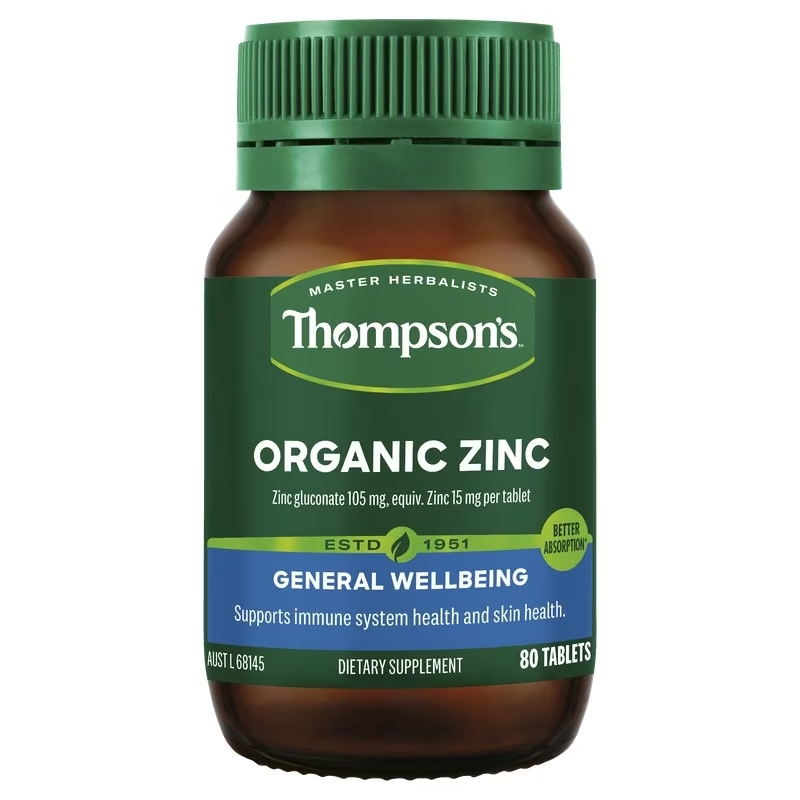
Thompson’s Organic Zinc Tablets are a plain, single-ingredient zinc supplement from a long-running New Zealand natural health brand. They come as a one-a-day tablet in an 80 tablet pack, aimed at adults who want immune system support without a long ingredient list.
Each tablet provides 105 mg of zinc gluconate, which the label states is equivalent to 15 mg of elemental zinc. That sits just above the 14 mg daily recommended intake for adult men and well above the 8 mg for adult women, and comfortably below the 40 mg adult upper limit.
It suits first-time zinc buyers, people topping up a diet low in red meat, seafood or poultry, and anyone who would rather not take extra vitamins bundled into the same tablet. The brand directs adults to take one tablet a day with food, which is also the easiest way to avoid the queasy stomach zinc can cause on empty.
The trade-off is simplicity. There is no added vitamin C, copper or B6, and gluconate is a standard rather than a premium-absorption form. For most people eating a mixed diet, a 15 mg daily dose is a sensible place to start, and long-term daily use should still be checked against total zinc from other supplements.
Pros
- 15 mg elemental zinc per tablet
- Single active ingredient
- Directions are one tablet a day with food
Cons
- Gluconate is not a premium chelated form
- No supporting nutrients
- Tablet only, no easy-swallow option
Key specs: 80 tablets | Tablet | Zinc gluconate 105 mg (15 mg elemental zinc) per tablet
2. GO Healthy GO Zinc Complex VegeCapsules – Best Multi-Form Blend
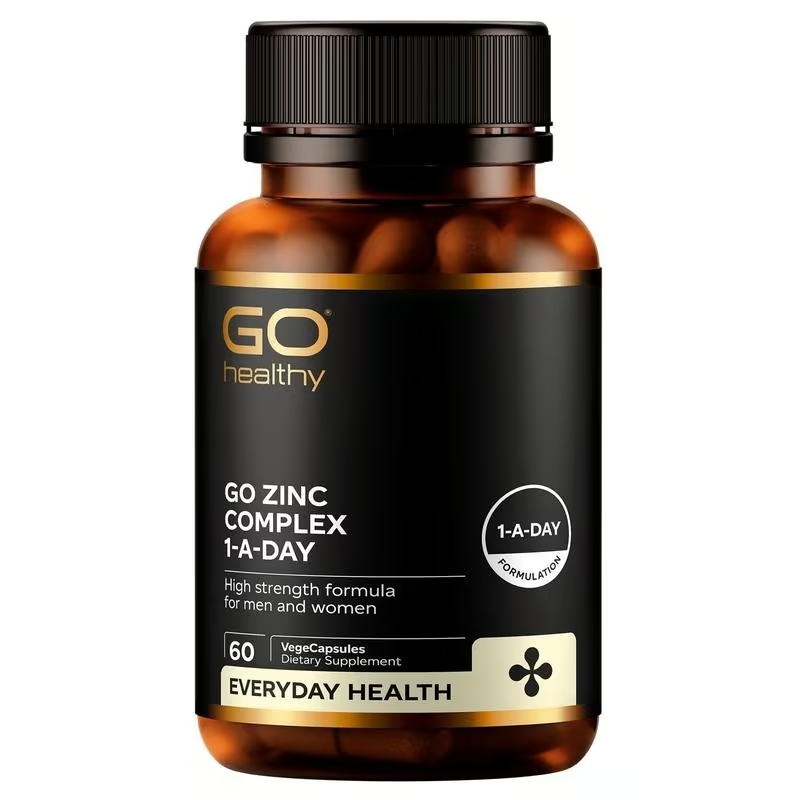
GO Healthy GO Zinc Complex is a New Zealand-made vegecapsule that blends three different zinc compounds in one daily dose. It comes in a 60 capsule pack and is suitable for vegetarians and vegans according to the brand.
Each capsule delivers 15 mg of elemental zinc, split evenly as 5 mg from zinc citrate, 5 mg from zinc amino acid chelate and 5 mg from zinc gluconate. It also contains 300 mg of vitamin C, 25 mcg of selenium as selenomethionine, 6 mg of manganese as an amino acid chelate and 16.5 mg of vitamin B6 as pyridoxine.
It suits people who like the idea of mixing zinc forms and want a few supporting nutrients in the same capsule. The brand says it can be taken with food or on an empty stomach, although taking zinc with a meal is still gentler on the stomach for many people.
The trade-off is that the extras add up if you already take a multivitamin or a B6-containing product. The brand itself advises watching total vitamin B6 intake across supplements. Anyone on prescription medicines is advised to check with a healthcare professional.
Pros
- Three zinc forms in one capsule
- 15 mg elemental zinc plus vitamin C, selenium and manganese
- Vegetarian and vegan suitable
Cons
- Added B6 can stack with other supplements
- More ingredients than a basic zinc tablet
- Benefit of mixing forms is unproven
Key specs: 60 vegecapsules | Capsule | Zinc 15 mg (citrate, chelate, gluconate) plus vitamin C 300 mg
3. BePure Zinc Restore Capsules – Best Zinc Picolinate with Vitamin C
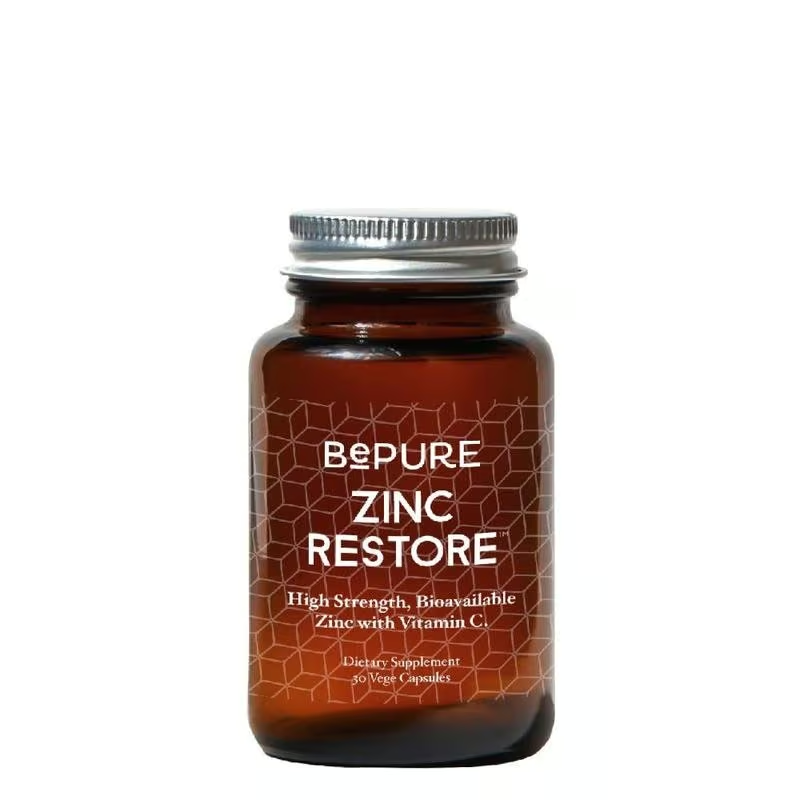
BePure Zinc Restore is a one-a-day capsule built around zinc picolinate, a form often promoted for good absorption. It is sold in 15, 30 and 60 capsule packs and is aimed at people wanting to keep zinc levels topped up.
One capsule provides 15 mg of elemental zinc as zinc picolinate with 300 mg of vitamin C (ascorbic acid), 150 mg of magnesium ascorbate, 75 mg of calcium ascorbate, 12.5 mg of vitamin B6 as pyridoxal-5-phosphate and 10 mg of quercetin. The brand says the buffered vitamin C is there to assist zinc absorption.
It suits people who prefer picolinate, want a gentler buffered vitamin C alongside their zinc, or are working with a naturopath or pharmacist on their zinc intake. The brand lists support for gut function, enzyme health and energy among its aims, though these are general supportive claims rather than treatment claims.
The trade-off is that evidence that picolinate is meaningfully better absorbed than other forms is limited, and the extra ingredients mean it is not a pure zinc product. Quercetin and B6 are small amounts, but check the label if you take other supplements.
Pros
- 15 mg elemental zinc as picolinate
- Buffered vitamin C included
- Small pack sizes available for a trial
Cons
- Superior absorption claim has limited evidence
- Extra ingredients beyond zinc
- Specialty formula rather than plain zinc
Key specs: 30 capsules | Capsule | Zinc picolinate 15 mg elemental, vitamin C 300 mg
4. Blackmores Bio Zinc Tablets – Best Familiar Brand Formula
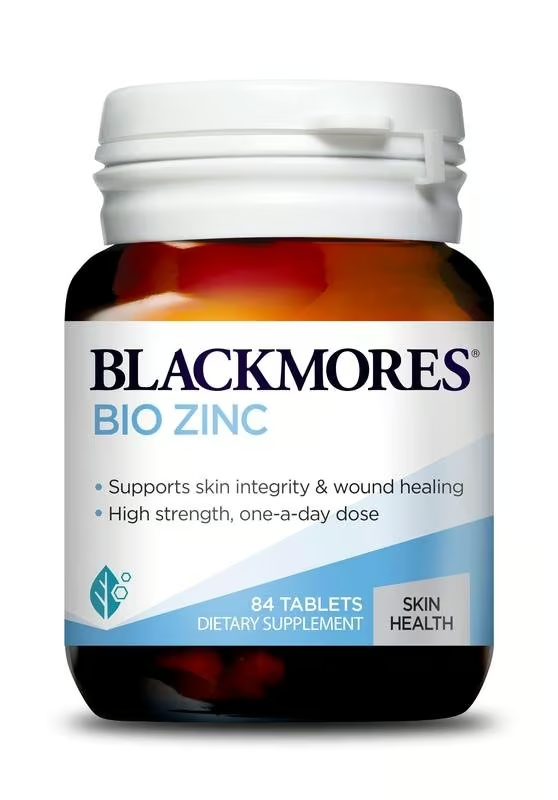
Blackmores Bio Zinc is a long-standing zinc tablet from one of the best-known supplement brands sold in New Zealand and Australia. It comes in an 84 tablet pack (a 168 tablet pack also exists) and is taken once a day.
Each tablet contains 74.5 mg of zinc amino acid chelate providing 14.9 mg of zinc, plus 90 mg of magnesium phosphate (18.6 mg magnesium), 20 mg of manganese amino acid chelate (2 mg manganese), 2500 IU of vitamin A as retinyl acetate and 50 mg of vitamin B6. The label states there are no added salt, yeast, gluten, wheat, milk derivatives, preservatives, artificial colours, flavours or sweeteners.
It suits people who trust a familiar brand and want a zinc tablet with a few supporting minerals and vitamins. The zinc dose is close to the 14 mg adult male daily recommended intake, so it works as a straightforward daily top-up.
The trade-off is the vitamin B6 and vitamin A. Vitamin B6 at 50 mg per tablet is a high dose, and long-term high B6 intake has been linked to nerve problems, so it should not be stacked with other B6 products. Women who are pregnant or planning pregnancy should check vitamin A totals with a health professional before use.
Pros
- Recognisable brand
- About 15 mg zinc per tablet from an amino acid chelate
- Includes magnesium and manganese
Cons
- High-dose vitamin B6 per tablet
- Contains vitamin A, needs care in pregnancy
- Easy to double up with a multivitamin
Key specs: 84 tablets | Tablet | Zinc 14.9 mg (amino acid chelate) plus B6 50 mg per tablet
5. Good Health Zinc Melts – Best Dissolving Tablet for Easy Swallowing
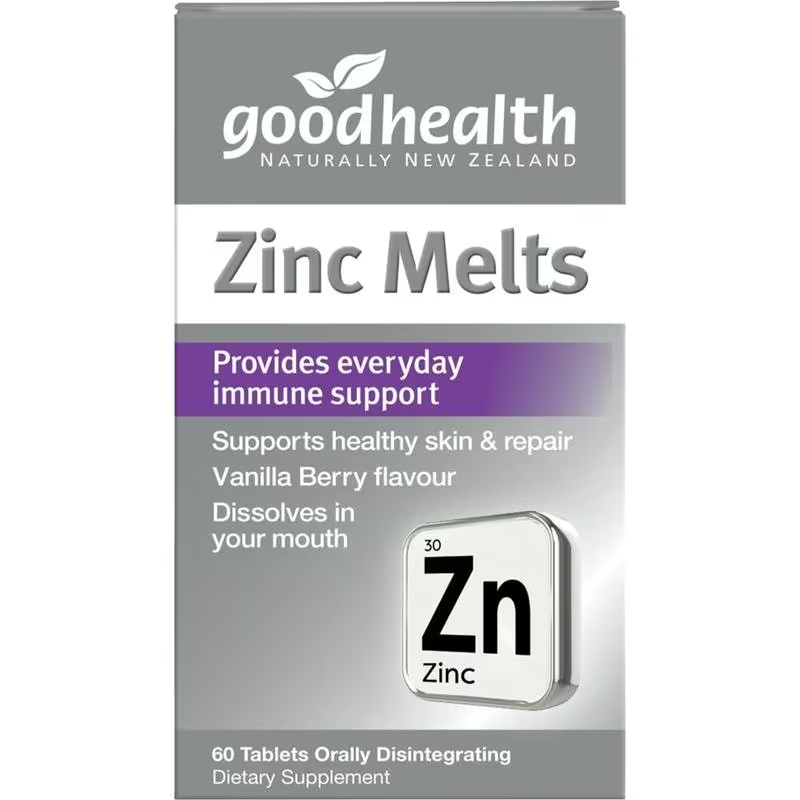
Good Health Zinc Melts are vanilla berry flavoured tablets that dissolve in the mouth, designed for people who dislike swallowing tablets or capsules. They come as a pack of 60 orally dissolving tablets and are suitable for vegans according to the brand.
Each tablet contains 7.5 mg of zinc citrate and 660 IU of beta-carotene. The brand lists the zinc as zinc citrate 7.5 mg and does not state a separate elemental figure, so the true elemental amount per tablet is likely lower. Adults and teens from 16 take 1 to 2 tablets daily after food, and children aged 9 to 15 take 1 tablet.
It suits children, fussy swallowers and anyone wanting a modest, flexible dose rather than a high-strength capsule. The brand says it can be used during pregnancy and breastfeeding, but advises checking total daily vitamin A intake, and says to take supplements 2 hours away from medicines and antibiotics.
The trade-off is dose and certainty. Even at the maximum of 2 tablets, the amount is modest compared with most other products here, so it is a gentle top-up rather than a high-dose option. Take it with or after food, as the brand notes it is best taken with food to avoid nausea.
Pros
- Dissolves in the mouth, no swallowing
- Flexible 1 to 2 tablets for adults
- Label covers children from 9 years
Cons
- Lower zinc dose than most picks
- Elemental zinc not stated on the label read
- Flavoured, which some adults dislike
Key specs: 60 tablets | Orally dissolving tablet | Zinc citrate 7.5 mg plus beta-carotene 660 IU per tablet
6. Ethical Nutrients Mega Zinc Raspberry Powder – Best Powder for Families
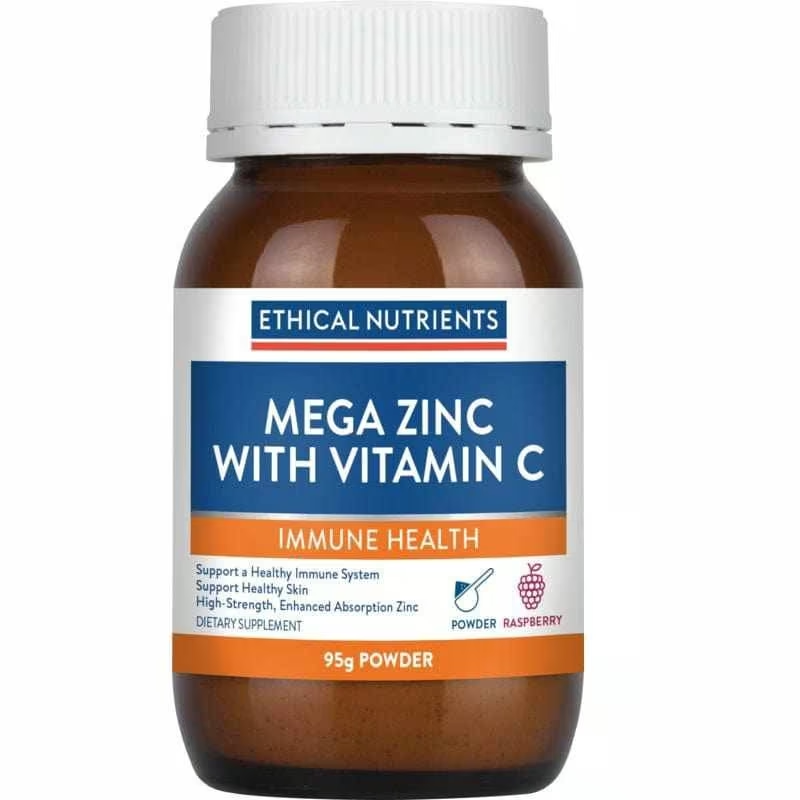
Ethical Nutrients Mega Zinc is a raspberry-flavoured powder that is stirred into water, giving a tablet-free zinc option. It comes in a 95 g tub and is labelled as suitable for adults and children aged 5 and over.
One quarter metric teaspoon (0.95 g) contains 50 mg of zinc amino acid chelate (zinc diglycinate) providing 10 mg of elemental zinc, plus 250 mg of vitamin C from 303 mg of calcium ascorbate, 2.5 mg of vitamin B6 and 1.0 mg of beta-carotene.
It suits households where adults and school-age children both need a zinc option, and anyone who cannot or will not swallow tablets. The label directs adults and children 5 and over to mix the measured amount in 100 mL of water once daily with food, for up to 3 months, with the brand listing immune, skin and nervous system support.
The trade-off is that the dose is only 10 mg and must be measured with a small scoop each day, which is fiddlier than a tablet. The label also limits use to 3 months at a time, so it suits short courses rather than indefinite daily use.
Pros
- Tablet-free, mixes into water
- Label covers children from 5 years
- Zinc diglycinate is a chelated form
Cons
- Needs measuring each day
- Label limits use to 3 months
- 10 mg zinc is a modest dose for adults
Key specs: 95 g | Powder | Elemental zinc 10 mg (diglycinate) plus vitamin C 250 mg per serve
7. Clinicians Zinc Oral Drops – Best for Flexible Dosing
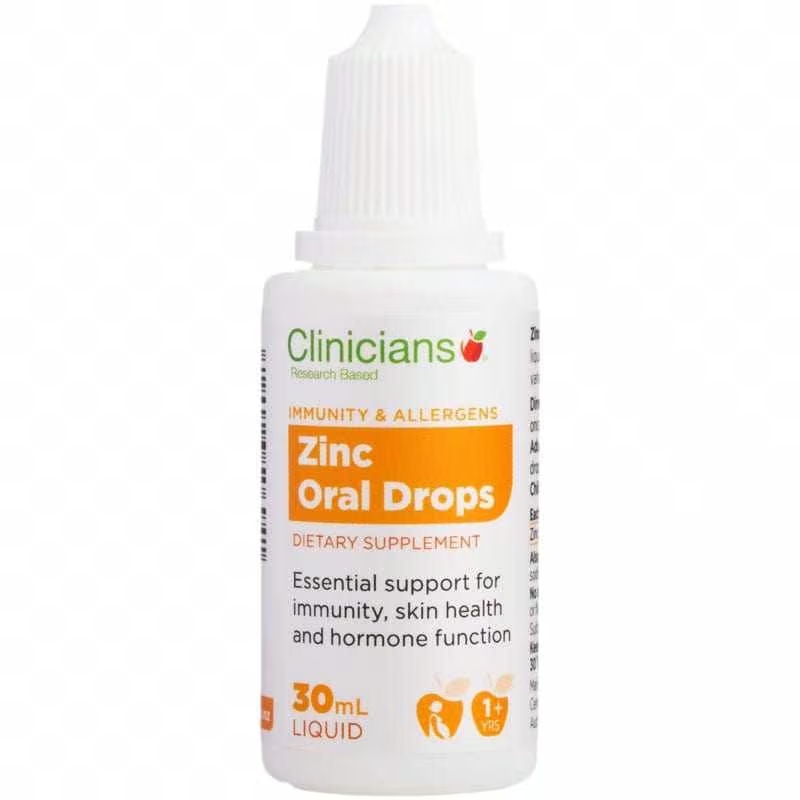
Clinicians Zinc Oral Drops are a liquid zinc sulfate supplement in a 30 mL bottle. Because each drop is a fixed small amount, the dose can be adjusted drop by drop, which suits households with different needs.
Each drop contains 1 mg of zinc from zinc sulfate. The label directions are to mix with water or juice, with up to 15 drops a day for adults and children over 9, up to 4 drops a day for children aged 4 to 8, and up to 3 drops a day for children aged 1 to 3. It also contains purified water, citric acid, sodium citrate and potassium sorbate, with no added sugar, artificial colours, sweeteners or flavours.
It suits children, people who cannot swallow capsules, and anyone who wants to start low and build up. Taking the maximum 15 drops gives 15 mg of zinc, in line with the other mid-dose picks here.
The trade-off is that counting drops every day is easy to get wrong, and zinc sulfate can taste metallic and sit heavily on an empty stomach, so mixing it into juice and taking it with food helps. Stick to the stated drop limits, especially for young children, whose upper limit for zinc is far lower than an adult’s.
Pros
- Adjustable dose, 1 mg per drop
- Directions given for ages 1 and up
- No added sugar, colours or sweeteners
Cons
- Counting drops is fiddly
- Zinc sulfate can taste metallic
- Easy to overdose small children if careless
Key specs: 30 mL | Oral drops | Zinc 1 mg (as zinc sulfate) per drop, up to 15 drops a day for adults
8. Nature’s Own High Strength Zinc – Best High-Strength Single Ingredient
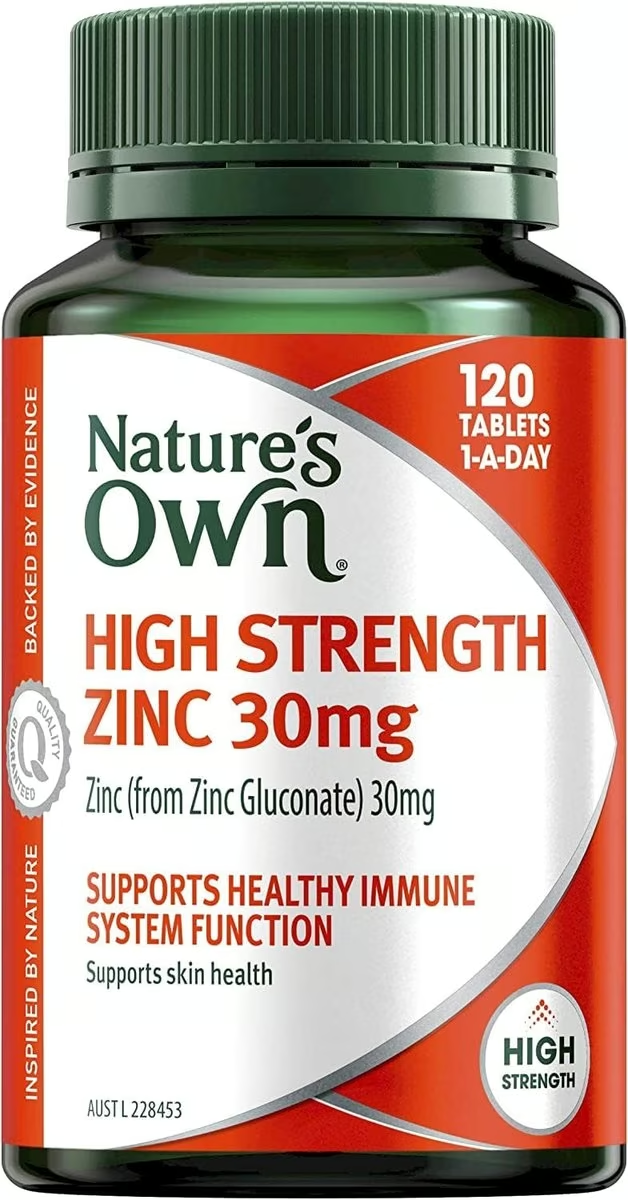
Nature’s Own High Strength Zinc 30mg is an Australian-made single-ingredient zinc tablet from a major Australasian brand. It is sold in a 120 tablet pack and made with zinc gluconate.
Each tablet provides 30 mg of zinc from zinc gluconate and nothing else on the active list. The listing states there are no added gluten, lactose, artificial colours or flavours, artificial sweeteners, preservatives, dairy products or animal-derived products, and adults take 1 tablet daily with food.
It suits adults who want a higher-dose, no-frills option, including men wanting reproductive health support or people with a documented need for higher zinc. The listing carries a 4.7 out of 5 average from about 189 ratings.
The trade-off is dose. At 30 mg, one tablet covers three quarters of the 40 mg adult upper limit before any food or other supplements, so it should not be combined with other zinc products or used for long stretches without advice. Long-term high-dose zinc can lower copper levels.
Pros
- 30 mg zinc in one tablet
- Single active ingredient
- Large 120 tablet pack
Cons
- Uses most of the 40 mg adult upper limit
- Not suited to long-term use without advice
- Can upset an empty stomach
Key specs: 120 tablets | Tablet | Zinc 30 mg (as zinc gluconate) per tablet
9. Solgar Zinc Picolinate 22 mg Tablets – Best Premium Zinc Picolinate
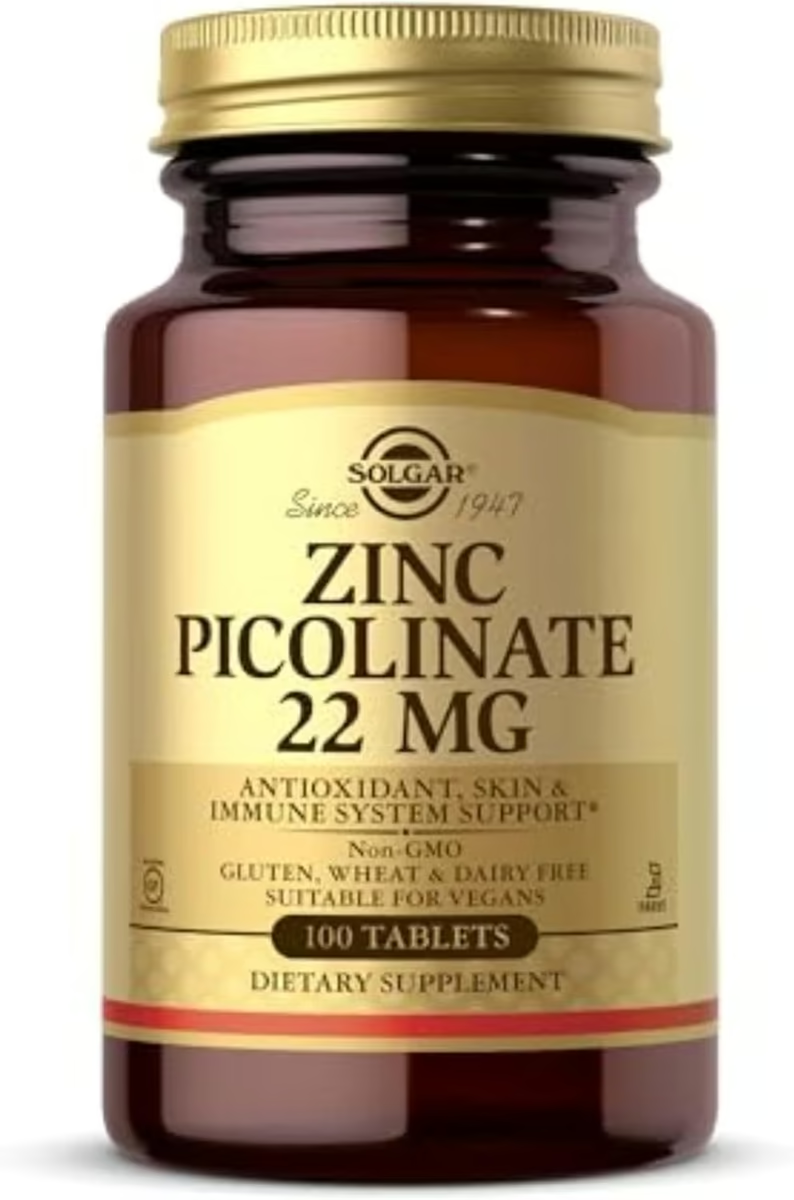
Solgar Zinc Picolinate is a single-ingredient tablet from an established international supplement brand. It comes in a 100 tablet amber glass bottle and uses zinc as picolinate.
Each tablet supplies 22 mg of zinc as picolinate, with bulking agents, anti-caking agents and no added gluten, wheat, dairy, soy, yeast, sugar, sodium, artificial flavours, sweeteners, preservatives or colours. Adults take one tablet daily, preferably at mealtime.
It suits people wanting a clean, picolinate-based zinc without any extra vitamins, and those who like glass packaging. The listing has a 4.7 out of 5 average from thousands of ratings, which is a large body of user feedback for this category.
The trade-off is that the picolinate premium is unproven in head-to-head trials, and the brand advises that anyone pregnant, nursing, on medication or with a medical condition should consult a practitioner first. The 22 mg dose is a good middle ground between a basic top-up and a high-strength tablet.
Pros
- 22 mg zinc as picolinate
- Single active ingredient, wide allergen-free list
- Large user rating base
Cons
- Picolinate advantage not clearly proven
- Single bottle size only
- Tablet can be large
Key specs: 100 tablets | Tablet | Zinc 22 mg (as picolinate) per tablet
10. Swisse Ultiboost Zinc+ Tablets – Best Multi-Nutrient Zinc Tablet
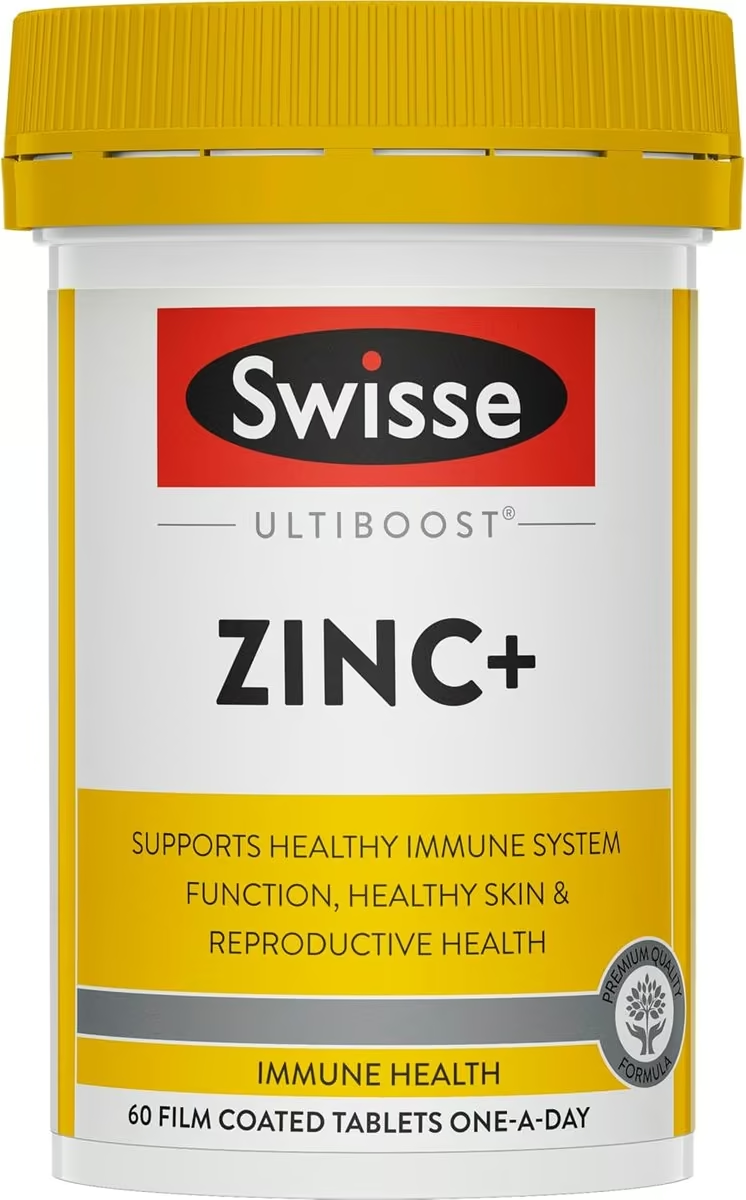
Swisse Ultiboost Zinc+ is a combination tablet pairing zinc with vitamins A and B6, magnesium and manganese. It comes in a 60 tablet pack and is taken once daily during or after a meal.
Each tablet contains 25 mg of zinc from 125 mg of zinc amino acid chelate, 30 mg of vitamin B6, 1250 IU of vitamin A as retinyl acetate, 35 mg of magnesium and 2 mg of manganese. The listing says zinc supports immune function, skin health, wound healing and taste and smell.
It suits adults who want a stronger daily zinc dose with supporting nutrients, and it carries a 4.7 out of 5 average from about 663 ratings.
The trade-off is the vitamin A and B6 on top of 25 mg of zinc, which makes it easy to exceed recommended totals when combined with a multivitamin. The listing’s own safety note quotes recommended daily vitamin A amounts and cautions against excess, so pregnant women in particular should check with a health professional.
Pros
- 25 mg zinc as amino acid chelate
- Adds magnesium and manganese
- Strong rating from several hundred reviews
Cons
- Combines vitamins A and B6 with zinc
- Higher dose than most combination picks here
- Not a simple single-ingredient option
Key specs: 60 tablets | Tablet | Zinc 25 mg (amino acid chelate) plus B6 30 mg per tablet
How to Choose Best Zinc Supplement
Check the elemental zinc figure, not the compound weight. A label may say 105 mg zinc gluconate, but only 15 mg of that is actual zinc. Most adults do well with 10 to 30 mg a day, against a recommended intake of 8 to 14 mg and a 40 mg adult upper limit. Form matters less than dose: picolinate, chelates and gluconate all deliver zinc, and claims that one form is far better absorbed rest on limited evidence.
Take zinc with food if it upsets your stomach. Nausea is the most common side effect, especially on an empty stomach. Tablets and capsules are often easier on the stomach after a meal, while dissolving tablets, powders and liquids suit people who cannot swallow capsules.
Zinc competes with other minerals and some medicines. Iron supplements can reduce zinc absorption, and long-term high zinc intake can lower copper status. Some brands advise taking supplements 2 hours away from medicines and antibiotics, so ask a pharmacist if you take prescription medicine. Vegetarians may need more zinc than meat eaters because plant foods reduce absorption.
Read the rest of the label. Combination products often add vitamin B6 and vitamin A. High doses of B6 over long periods have been linked to nerve problems, and vitamin A needs care in pregnancy, so avoid doubling up with a multivitamin. Pregnant or breastfeeding women, children and people with kidney disease should check with a doctor or pharmacist first.
Give it time and know the limits. Zinc for general immune support is typically taken daily for weeks or months, but it is not meant to be an open-ended high dose. A 2024 Cochrane review found only weak, inconclusive evidence that zinc may shorten a cold slightly, and zinc does not appear to prevent colds, so treat it as support rather than a cure.
Verdict
For most New Zealand shoppers, Thompson’s Organic Zinc Tablets are the best all-round pick, offering a sensible 15 mg dose with no unnecessary extras. For mixed zinc forms with added vitamin C and selenium, GO Healthy GO Zinc Complex VegeCapsules is a strong choice, and BePure Zinc Restore Capsules suits those who prefer picolinate. For people who cannot swallow tablets, Good Health Zinc Melts, Ethical Nutrients Mega Zinc Raspberry Powder and Clinicians Zinc Oral Drops cover dissolving, powder and liquid formats, and Nature’s Own High Strength Zinc 30mg Tablets is the option for a higher single dose.
Also worth reading: our guides to magnesium supplements, multivitamins and iron supplements.
FAQs
How much zinc should I take per day in NZ?
The Australian and New Zealand recommended dietary intake is 14 mg a day for adult men and 8 mg for adult women, with higher figures during pregnancy and breastfeeding. The upper limit for adults from food and supplements combined is 40 mg a day. Most daily supplements provide 10 to 30 mg of elemental zinc.
What is the best form of zinc to take?
There is no clearly proven best form. Zinc gluconate, citrate, picolinate and amino acid chelates all supply zinc, and claims that one is far better absorbed rest on limited evidence. Choose based on elemental dose, stomach tolerance and the format you find easiest to take.
Can I take zinc every day?
Many people take a moderate dose of zinc daily, but the total from food and supplements should stay below the 40 mg adult upper limit. Long-term high intakes can reduce copper status and suppress immune response. If you plan to take zinc for months, speak to a pharmacist or doctor.
Does zinc help with colds?
Evidence is weak and mixed. A 2024 Cochrane review found that zinc may shorten a cold slightly, but the evidence is inconclusive and side effects need to be balanced against any benefit. Zinc does not appear to prevent colds.
Should I take zinc with food?
Yes, taking zinc with or after food usually reduces nausea and stomach upset. Some brands also advise taking supplements 2 hours away from medicines and antibiotics, so check the label and ask a pharmacist if you take prescription medicines.
Can zinc supplements cause side effects?
The most common side effects are nausea, an upset stomach and a metallic taste. Taking more than the upper limit over a long period can lower copper levels and reduce HDL cholesterol. Stay within the label directions and the 40 mg adult upper limit from all sources.
