
The best mid-range smartphone in NZ overall is the Samsung Galaxy A16, a genuinely dependable, factory-unlocked phone from a name most Kiwis already trust, without paying flagship prices.
Mid-range now covers a wide spread, from genuinely budget-friendly phones to near-flagship devices with 200MP cameras that just happen to sit below flagship pricing. This guide compares seven mid-range smartphones available in NZ across overall use, premium camera performance, everyday value, standout design, clean Android, battery life and long-warranty budget picks, judged on genuine NZ network compatibility, specs and real-world value.
Each pick lists an honest trade-off alongside what it does well, because a 200MP camera phone and a phone built to last three years on warranty solve very different problems. Use the comparison table for a quick overview, then read the full picks below.
Quick comparison
| Rank | Phone | Best for | Highlight |
|---|---|---|---|
| 1 | Samsung Galaxy A16 | Best overall / mainstream | Unlocked |
| 2 | Xiaomi Redmi Note 15 Pro+ | Best premium mid-range / camera | AU version |
| 3 | Motorola Moto g56 5G | Best display / everyday value | Android 15 |
| 4 | Nothing Phone (2a) | Best unique design | Unlocked |
| 5 | Google Pixel 9a | Best camera / clean Android | AI photography |
| 6 | Xiaomi Redmi 15 5G | Best battery life | 7000mAh |
| 7 | Blackview Wave 7C | Best long warranty / budget | 3-year warranty |
1. Samsung Galaxy A16 – Best overall / mainstream
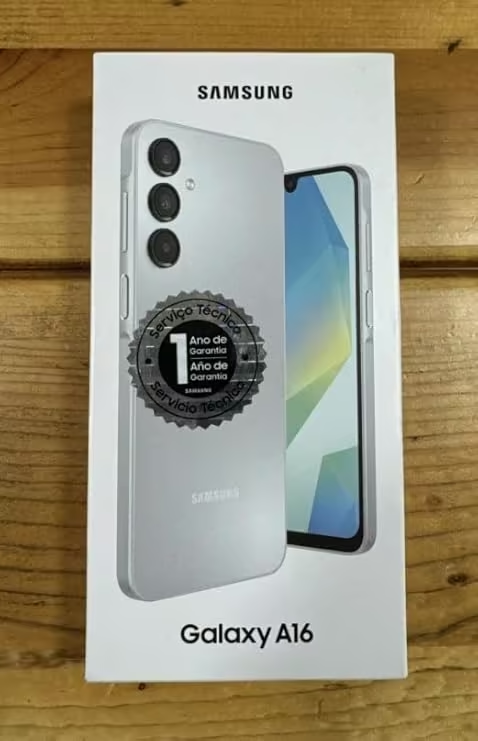
For most people who want a genuinely dependable mid-range phone from a name they already trust, the Samsung Galaxy A16 is the standout all-rounder. This is a factory-unlocked international model, genuinely compatible with GSM networks worldwide including NZ carriers, not a region-locked or carrier-tied device, and it pairs a 6.7-inch display with a 50MP dual camera and dual SIM support for anyone who needs two numbers or a travel SIM. It’s backed by thousands of reviews and Amazon’s Choice status, which reflects genuinely consistent quality at this price point. The trade-off is that this listing does not support eSIM, so anyone wanting a digital SIM alongside a physical one will need to look elsewhere, and 4GB of RAM is on the lighter side for heavy multitasking. For everyday calls, texts, browsing and social media without any surprises, it’s the sensible default.
Pros
- Genuine factory-unlocked international model, compatible with GSM networks worldwide including NZ
- Dual SIM support, useful for a second number or travel SIM
- Thousands of reviews and Amazon’s Choice status
Cons
- No eSIM support on this model
- 4GB RAM is on the lighter side for heavy multitasking
- MediaTek chipset is a step below the flagship-adjacent picks on this list
Key specs:6.7″ display; 50MP dual camera; 4GB RAM, 128GB storage; dual SIM (no eSIM); factory unlocked, GSM worldwide.
2. Xiaomi Redmi Note 15 Pro+ – Best premium mid-range / camera
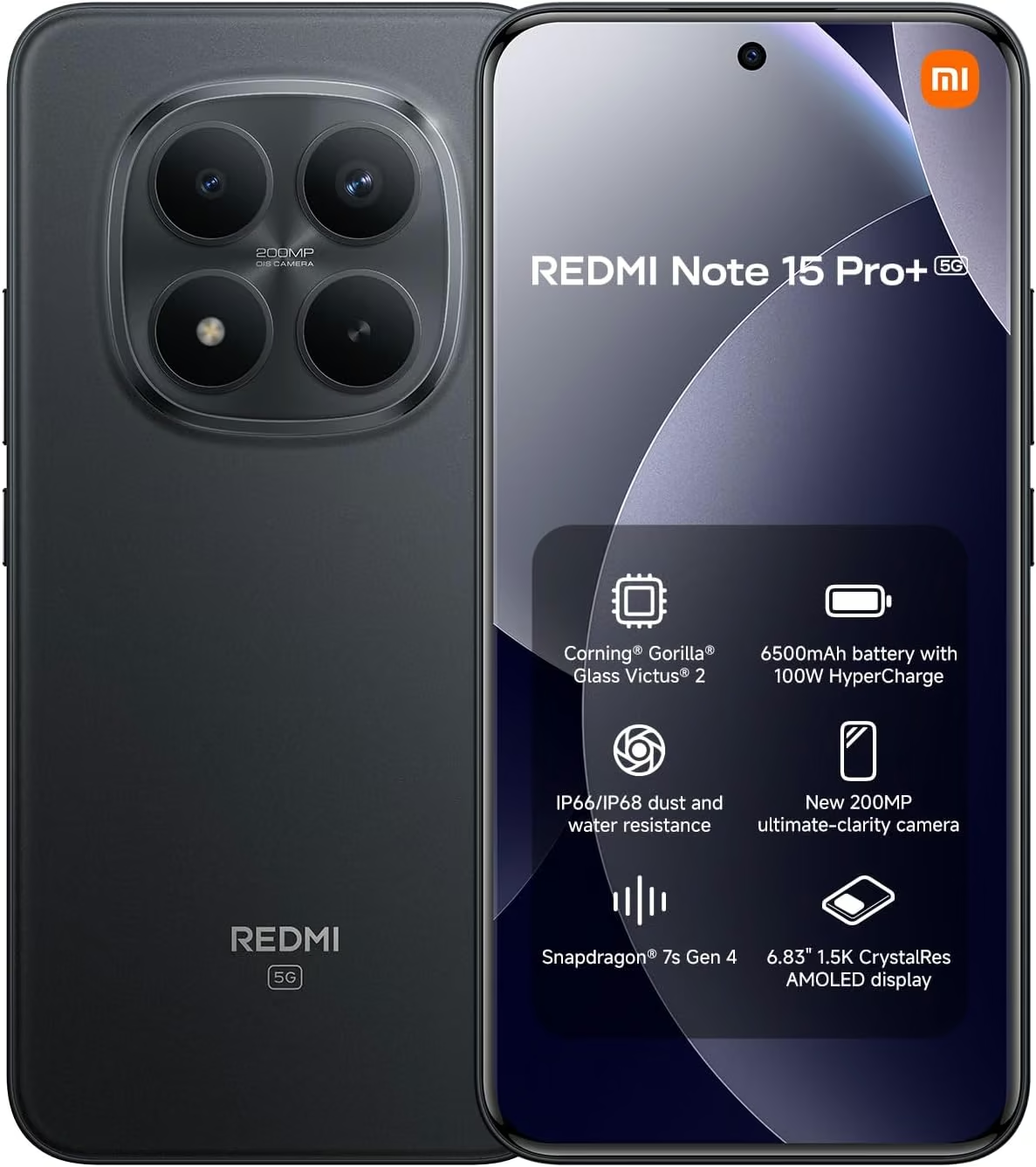
The pick for anyone who wants near-flagship camera performance without paying flagship prices. Xiaomi’s Redmi Note 15 Pro+ is an official AU-version model, and it packs a genuinely impressive 200MP AI camera with a large 1/1.4-inch sensor, a sharp 1.5K 120Hz display, and IP69K water and dust resistance that’s rare at this price tier. The 6500mAh battery and Xiaomi’s HyperAI features round out a phone that punches well above its mid-range positioning. Being the most expensive phone on this list, it sits closer to the flagship end of “mid-range” than a genuine budget pick, and Xiaomi’s HyperOS software takes some adjustment if you’re used to stock Android. For anyone who wants the sharpest camera and most premium feel without stepping up to full flagship pricing, it’s worth the extra cost.
Pros
- Genuinely impressive 200MP AI camera with a large 1/1.4-inch sensor
- IP69K water and dust resistance, rare at this price tier
- Sharp 1.5K 120Hz eye-care display
Cons
- Most expensive phone on this list, closer to flagship pricing
- HyperOS software takes some adjustment coming from stock Android
- Charger not included in the box
Key specs:6.9″ 1.5K 120Hz display; 200MP AI camera; 6500mAh battery; IP69K rated; AU version.
3. Motorola Moto g56 5G – Best display / everyday value
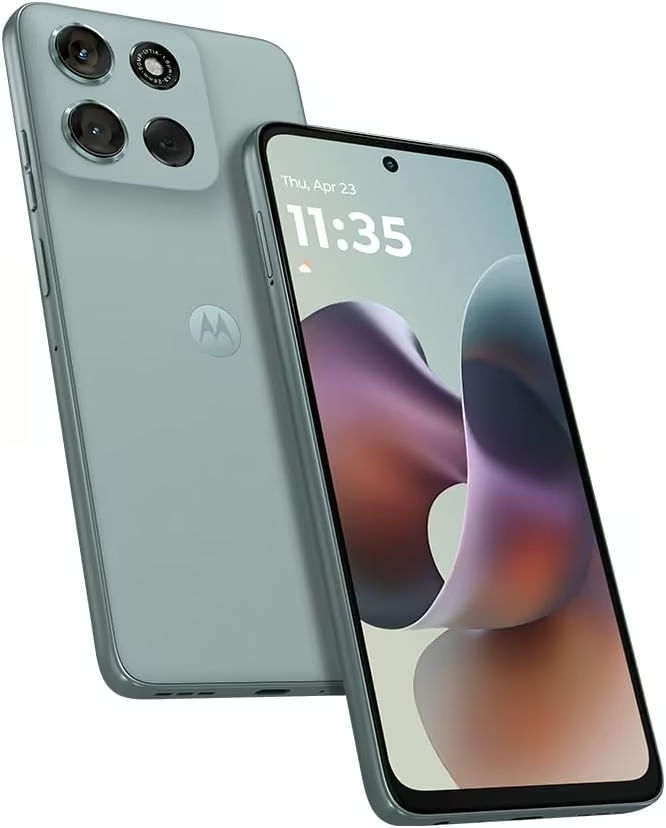
A genuinely well-rounded everyday phone from a brand with a long track record in this price bracket. Motorola’s Moto g56 5G pairs a super-bright, immersive display with a 50MP Sony LYTIA camera and Moto AI features, running the current Android 15 out of the box rather than an older version. 8GB of RAM keeps everyday multitasking comfortable, and Motorola’s clean, close-to-stock Android software is a genuine point of difference from the more heavily skinned interfaces on some competitors. The trade-off is that review volume on this specific listing is still building, so it’s worth checking current feedback before buying, and Motorola’s camera processing, while solid, doesn’t match the standout results of the pricier Xiaomi and Google picks on this list. For a reliable everyday 5G phone with clean software, it’s a smart middle-ground choice.
Pros
- Current Android 15 out of the box with clean, close-to-stock software
- 50MP Sony LYTIA camera with Moto AI features
- 8GB RAM for comfortable everyday multitasking
Cons
- Limited review history so far on this specific listing
- Camera processing doesn’t match the standout Xiaomi and Google picks here
- Motorola’s after-sales support network is smaller than Samsung’s in NZ
Key specs:Android 15; 50MP main camera; 8GB RAM; 5G; super-bright display.
4. Nothing Phone (2a) – Best unique design
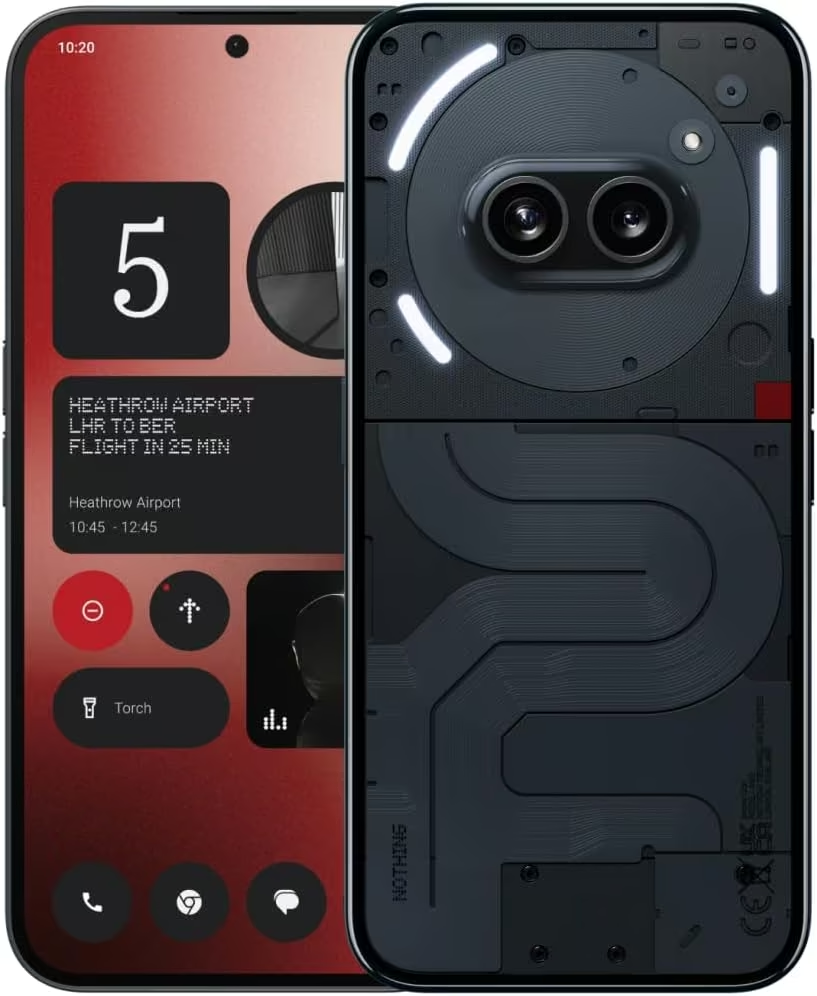
The pick for anyone who wants their phone to actually look and feel different from every other slab of glass on the market. Nothing’s Phone (2a) is genuinely distinctive, with a transparent-inspired design and the brand’s signature Glyph lighting, backed by a proper 6.7-inch 120Hz AMOLED display with Gorilla Glass 5 protection and a capable 50MP+50MP dual camera. Nothing OS is a clean, close-to-stock Android skin with genuinely thoughtful design touches, and it’s backed by thousands of reviews and Amazon’s Choice status. The trade-off is an IP54 rating rather than full water resistance, so it’s splash-resistant rather than swim-proof, and Nothing is a newer company than Samsung, Motorola or Xiaomi, so its long-term software update track record is shorter. For anyone bored of same-looking Android phones who wants genuine design flair alongside solid specs, it’s the standout choice.
Pros
- Genuinely distinctive design with signature Glyph lighting, unlike any other phone here
- Clean Nothing OS software with thoughtful design touches
- Thousands of reviews and Amazon’s Choice status
Cons
- IP54 splash resistance only, not full water resistance
- Newer company with a shorter software-update track record than Samsung or Motorola
- 5,000mAh battery is respectable but not class-leading
Key specs:6.7″ 120Hz AMOLED, Gorilla Glass 5; 50MP+50MP dual camera; 12GB RAM, 256GB storage; 5,000mAh battery; IP54.
5. Google Pixel 9a – Best camera / clean Android
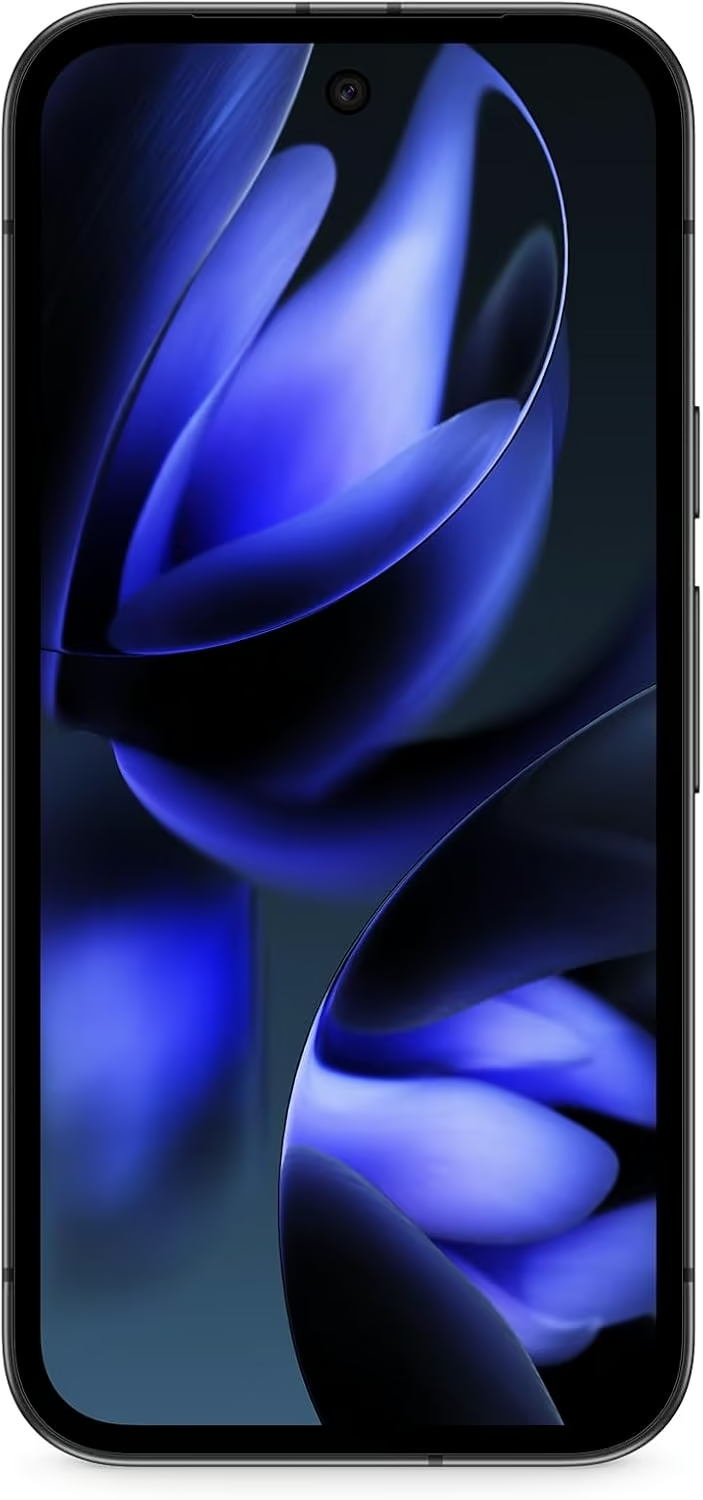
The pick for anyone who wants Google’s own camera processing and the cleanest possible Android experience, straight from the source rather than a third-party skin. The Pixel 9a pairs Google’s AI-powered photography with a vibrant 6.2-inch 120Hz OLED display, and 256GB of storage covers photos, videos and apps without needing to manage space carefully. Pixel phones are also typically first in line for Android software updates, ahead of Samsung, Motorola, Xiaomi or Nothing. The trade-off is that delivery on this specific listing costs extra rather than being free, and dispatch can take a few extra days compared to some of the other phones here, so factor that into your timeline if you need it quickly. For anyone who prioritises camera quality and long-term software support above all else, it’s worth the extra wait and cost.
Pros
- Google’s own AI-powered camera processing, some of the best in this price bracket
- Vibrant 6.2″ 120Hz OLED display
- Typically first in line for Android software updates
Cons
- This listing has a delivery charge rather than free shipping
- Dispatch can take a few extra days compared to other phones on this list
- Smaller screen than most other picks here, which some buyers prefer and others don’t
Key specs:6.2″ 120Hz OLED display; Google Tensor chip; 256GB storage; AI-powered camera; Android 15.
6. Xiaomi Redmi 15 5G – Best battery life
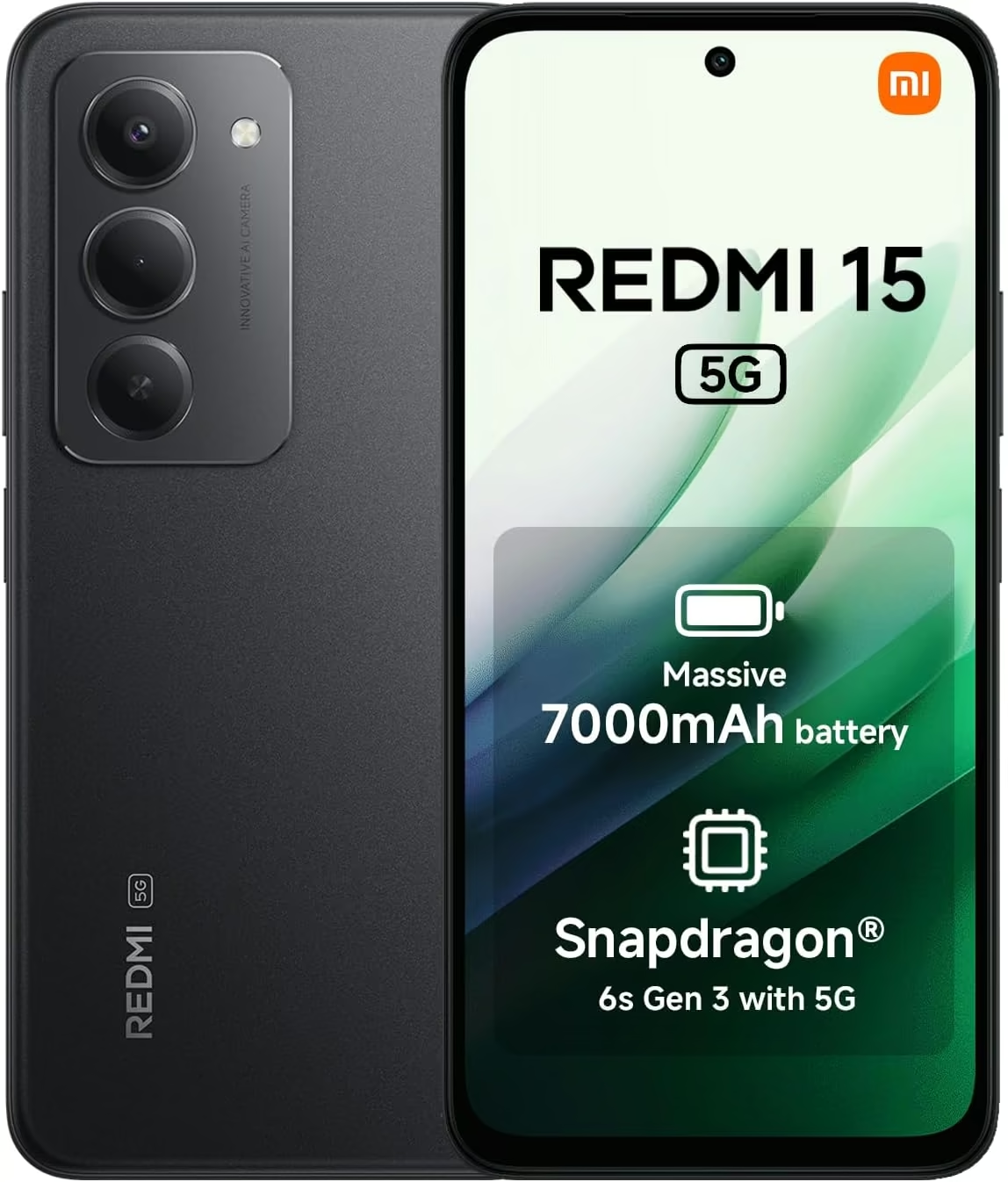
The pick for anyone who is tired of charging their phone every single day. Xiaomi’s Redmi 15 5G, an official AU-version model, is built around a genuinely massive 7000mAh battery, noticeably larger than every other phone on this list, paired with 33W fast charging and a 144Hz display for smooth everyday scrolling. The Snapdragon 6s Gen 3 chip handles everyday tasks and light gaming comfortably. Being a newer, lower-volume listing than the more established phones here, its review count is still small, so it’s worth reading current feedback before committing, and the quad-curved design, while stylish, adds some thickness compared to a flat-backed phone. For anyone whose biggest phone frustration is battery anxiety, it’s the clear choice.
Pros
- Genuinely massive 7000mAh battery, the largest on this list
- 144Hz display for smooth everyday scrolling
- 33W fast charging keeps top-ups quick despite the large battery
Cons
- Smaller review count than the more established phones on this list
- Quad-curved design adds some thickness
- Charger not included in the box
Key specs:6.9″ FHD+ 144Hz display; 7000mAh battery; Snapdragon 6s Gen 3; 33W fast charging; AU version.
7. Blackview Wave 7C – Best long warranty / budget
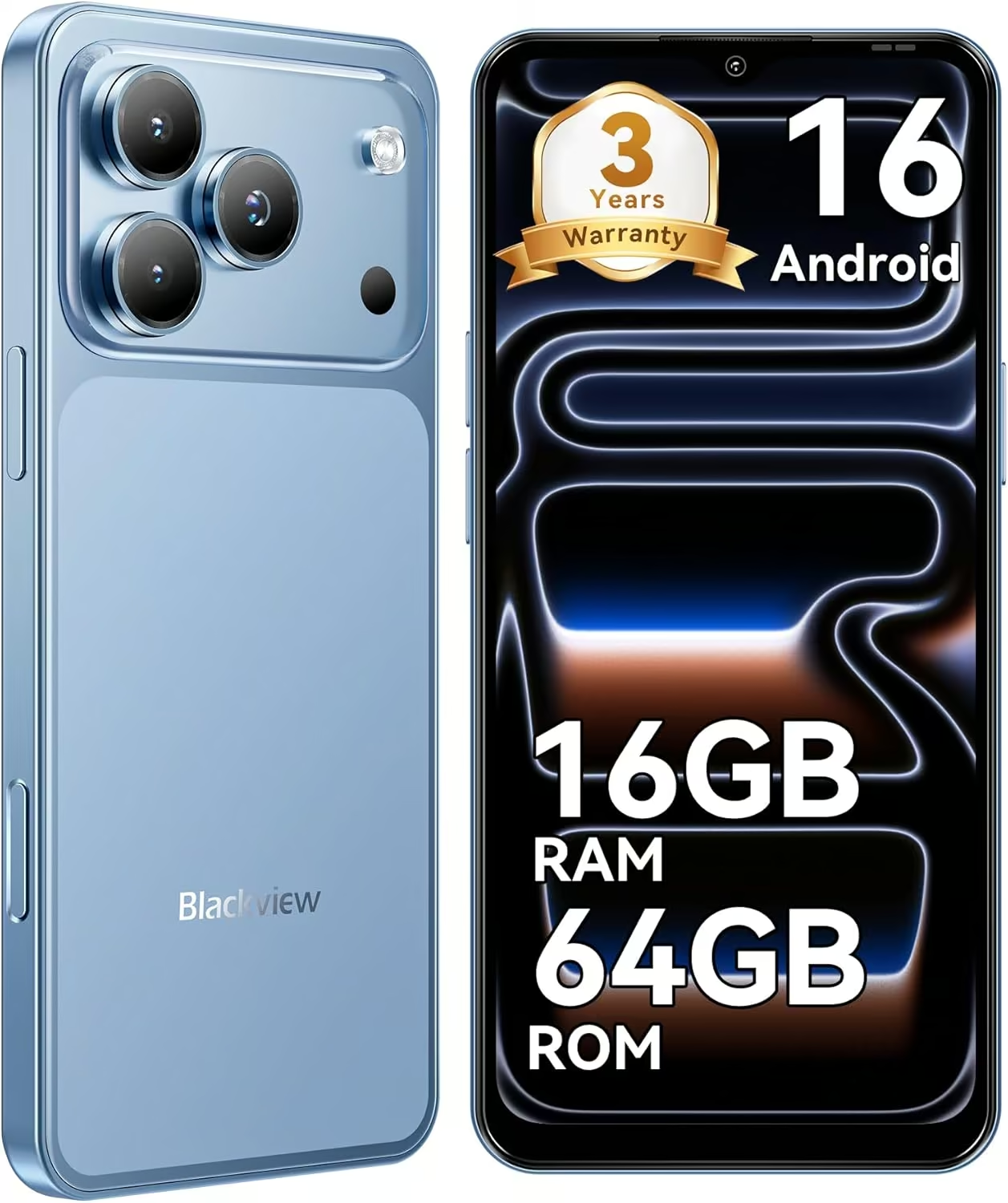
The pick for anyone who wants genuine peace of mind on a tight budget. Blackview’s Wave 7C is sim-free and unlocked, and it’s backed by an unusually long 3-year warranty, well beyond what most phones in this price range offer, alongside dual SIM support and IP54 splash resistance. A 5000mAh battery and 32MP camera cover the everyday basics without fuss, running the current Android 16 with DokeOS 5.0 on top. Being a budget-focused brand rather than one of the bigger names on this list, camera and display quality are noticeably more basic than the pricier phones here, and Blackview’s brand recognition and resale value in NZ are lower than Samsung or Google. For anyone who wants the lowest realistic entry point into this list with a genuinely long warranty behind it, it’s a sensible budget pick.
Pros
- Unusually long 3-year warranty for a budget phone
- Dual SIM support and IP54 splash resistance
- 5000mAh battery for solid everyday endurance
Cons
- Camera and display quality are noticeably more basic than the pricier phones here
- Lower brand recognition and resale value in NZ than Samsung or Google
- Smaller review base than the more established brands on this list
Key specs:6.56″ display; 32MP camera; 5000mAh battery; dual SIM; IP54; 3-year warranty.
How to choose the best mid-range smartphone in NZ
Confirm genuine NZ network compatibility first. Look for “factory unlocked,” “international model,” or explicit region compatibility rather than a US-carrier-locked or region-specific device, since not every phone sold on Amazon works properly on NZ networks.
Match RAM and chipset to how you actually use your phone. 4-6GB suits calls, texts and browsing, while 8GB+ and a more current chipset matter more for gaming, multitasking and heavier apps.
Check battery capacity and charging speed together. A bigger battery in mAh matters less if charging is slow, so look at both figures rather than just battery size alone.
Consider software and update policy. Google and Samsung generally commit to the longest software update periods, which matters for security and longevity even if you don’t upgrade phones often.
Decide if dual SIM or eSIM matters to you. Useful for keeping a personal and work number separate, or for using a local SIM while travelling without swapping your main card. Pairing your new phone with a good pair from the guide to wireless headphones rounds out the picks here.
If you are comparing across the range, the guides to rugged phones, Spark mobile phones and cheap smartphones are worth a look.
Frequently Asked Questions
Will an Amazon AU smartphone work properly on NZ networks?
Look specifically for “factory unlocked,” “international model,” or explicit multi-region network compatibility in the listing, rather than assuming any phone sold on Amazon will work. Phones marketed as locked to a specific carrier or region, particularly US-carrier models, may be missing bands used by NZ networks or may be locked entirely.
What’s the difference between a mid-range and a flagship smartphone?
Flagship phones use the newest, fastest chipsets and camera hardware available and are priced accordingly, while mid-range phones use slightly older or scaled-down versions of similar technology at a noticeably lower price. Modern mid-range phones have narrowed the gap considerably, especially in camera and display quality.
Does a bigger battery always mean better battery life?
A larger battery capacity generally means longer runtime, but actual battery life also depends on the display’s efficiency, the chipset, and how the software manages power. A phone with a smaller battery but a more efficient chipset can sometimes outlast one with a bigger battery and a power-hungry display.
How many years of software updates should I expect on a mid-range phone?
This varies significantly by brand: Google and Samsung typically commit to several years of both Android version upgrades and security patches even on mid-range models, while some budget brands offer shorter or less clearly defined update periods. Check the manufacturer’s specific update commitment before buying if long-term support matters to you.
Is dual SIM or eSIM more useful for someone who travels?
A physical dual SIM slot lets you keep two physical SIM cards active, useful if you already have local SIMs for different countries, while eSIM lets you download a digital SIM profile without needing a physical card at all, which is often more convenient when travelling. Not every phone supports both, so check which format matters more for how you actually travel.
Why do some Amazon phone listings have delivery charges while others are free?
Delivery cost usually depends on which specific seller and warehouse a listing ships from, with some fulfilled directly by Amazon’s local warehouse offering free delivery, and others shipped internationally incurring extra freight costs. It’s worth checking the specific delivery cost and estimated dispatch time on each listing rather than assuming they’re the same.
Verdict
There is no single best mid-range smartphone for every NZ buyer, only the right one for what you value most. The Samsung Galaxy A16 is the best all-round pick for most people, the Xiaomi Redmi Note 15 Pro+ is worth the extra cost for genuinely impressive camera performance, and the Motorola Moto g56 5G covers reliable everyday use with clean software.
The Nothing Phone (2a) is the standout for anyone who wants genuine design flair, the Google Pixel 9a leads on camera processing and software longevity, the Xiaomi Redmi 15 5G solves battery anxiety with its massive capacity, and the Blackview Wave 7C offers real peace of mind with its 3-year warranty at the lowest price here. Always confirm genuine NZ network compatibility before buying, and match the phone to how you actually use it rather than chasing the highest spec sheet.
