
The best everyday-value smartphone in NZ is the Samsung Galaxy A52, a dependable all-rounder for buyers who want a proven Samsung experience without chasing the newest release. It is now sold mainly as refurbished or clearance stock, so treat it as a value buy rather than a current flagship.
The best smartphones in NZ for 2026 span cheap 5G all-rounders to camera-led flagships, and the right pick comes down to what you value most: battery life, camera quality, screen or years of software updates. This guide compares 10 phones sold to New Zealand and Australian buyers, from Samsung and Google to Motorola, Oppo and Xiaomi, with a clear best-for angle for each so you can match a phone to how you actually use it. Because NZ networks rely on specific 4G and 5G bands, we also flag what to check before you buy, especially on imported models. If you want more options in this price range, see our guide to the best mid-range smartphones.
Quick comparison
| Phone | Best for | Display | Battery | Rear camera |
|---|---|---|---|---|
| Samsung Galaxy A52 | Everyday value | 6.5in AMOLED 90Hz | 4500mAh / 25W | 64MP |
| Motorola Edge 70 Fusion 5G | All-day battery | 6.8in AMOLED 144Hz | 7000mAh / 68W | 50MP |
| Samsung Galaxy A37 5G | Long software support | 6.7in AMOLED 120Hz | 5000mAh / 45W | 50MP |
| Motorola Moto G86 | Display and durability | 6.67in P-OLED 120Hz | 5200mAh / 30W | 50MP |
| Motorola Moto G Stylus 2025 | Note-takers | 6.7in pOLED 120Hz | 5000mAh / 68W | 50MP |
| Oppo Reno15 F | Selfies and charging | 6.57in AMOLED 120Hz | 7000mAh / 80W | 50MP |
| Google Pixel 10a | Cameras and updates | 6.3in pOLED 120Hz | ~5100mAh / 45W | 48MP |
| OPPO RX17 Neo | Simple budget entry | 6.4in AMOLED 60Hz | 3600mAh / 10W | 16MP |
| Xiaomi Redmi Note 15 5G | Camera on a budget | 6.77in AMOLED 120Hz | 5520mAh / 45W | 108MP |
| Xiaomi Redmi Note 15 Pro+ 5G | Best all-rounder | 6.83in AMOLED 120Hz | 6500mAh / 100W | 200MP |
1. Samsung Galaxy A52 – Best for reliable everyday value
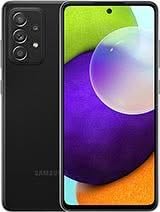
The Galaxy A52 remains a dependable everyday all-rounder for buyers who want a proven Samsung experience without chasing the newest release. It is an older model, now sold mainly as refurbished or clearance stock, so treat it as a value buy rather than a cutting-edge one. It pairs a 6.5-inch Super AMOLED screen with a 90Hz refresh rate, which owners say still looks crisp and smooth for scrolling and video. The Snapdragon 720G chip with 6GB of RAM handles messaging, browsing and light gaming comfortably, though reviewers note it can feel slower than newer mid-rangers under heavy load. Its 64MP stabilised main camera earns praise for daylight shots, while the 4500mAh battery and 25W charging reliably see out a full day. At 189g and 8.4mm thick it sits neatly in one hand, and the IP67 rating means it shrugs off rain and dust. It even keeps a 3.5mm headphone jack and microSD expansion, both increasingly rare. The main trade-off is age: this version runs an older Android build and its security support has wound down, so it suits a second phone, a first phone for a teen, or a tight budget rather than long-term future-proofing. Specs: Samsung Galaxy A52 (SM-A525F/DS), 128GB, 6GB RAM, Dual SIM, White.
Pros:
- Bright 90Hz Super AMOLED screen
- IP67 rating with headphone jack and microSD
- Stabilised 64MP main camera
Cons:
- Older chip and wound-down software support
- Sold mostly as refurbished or clearance stock
2. Motorola Edge 70 Fusion 5G – Best for all-day (& beyond) battery

If battery anxiety is your biggest phone frustration, the Edge 70 Fusion is built to outlast almost everything at this level. The headline is a large 7000mAh battery paired with 68W TurboPower charging, a combination reviewers say can stretch to two days of moderate use and refill quickly when it finally runs down. Around that sits a 6.8-inch quad-curved Extreme AMOLED display running at 144Hz, with a very high peak brightness that owners report stays readable in direct NZ sun. The Snapdragon 7s Gen 3 with 8GB of RAM and 256GB of storage keeps day-to-day use fluid, and the 50MP Sony LYTIA main camera with stabilisation is well regarded for daylight detail.
Motorola has also gone hard on durability, with IP68 and IP69 ratings plus MIL-STD-810H, so dust, water jets and knocks are less of a worry. The curved screen looks premium but is the main talking point: some users love it, while others find curved edges catch stray taps and reflections. Software support runs to three major Android upgrades, which is solid but short of what Samsung and Google now offer. It is a strong pick for travellers, tradies and anyone who simply hates charging. Specs: motorola edge 70 fusion 5G, 256GB, Sporting Green.
Pros:
- Large 7000mAh battery with fast 68W charging
- Bright 144Hz curved AMOLED
- IP68/IP69 and MIL-STD-810H toughness
Cons:
- Curved edges divide opinion
- Three OS upgrades trails the longest-supported rivals
A phone this big benefits from a top-up on long days out; pack a reliable power bank for trips.
3. Samsung Galaxy A57 5G – Best for long-term software support

The Galaxy A57 5G is the pick for buyers who want to keep a phone for years, thanks to Samsung’s lengthy update promise. Samsung commits to six major Android upgrades and six years of security patches, which reviewers highlight as unusually generous for a mid-range handset. It runs a 6.7-inch Super AMOLED screen at 120Hz with a bright 1900-nit peak, backed by the Exynos 1480 chip and 6GB of RAM. Owners describe everyday performance as smooth, with One UI feeling polished and familiar.
The 50MP stabilised main camera is the workhorse, and a 5000mAh battery with 45W charging comfortably clears a day. Gorilla Glass Victus+ on both sides and an IP68 rating add reassurance for daily knocks and spills. The catches are worth knowing: there is no 3.5mm headphone jack and no microSD slot, so you are locked to the built-in 256GB unless you lean on cloud storage or wireless earbuds. It is a sensible long-hauler for students and anyone who upgrades infrequently. Specs:
Pros:
- Six OS upgrades and six years of security updates
- Bright 120Hz AMOLED
- IP68 with Gorilla Glass Victus+
Cons:
- No microSD or headphone jack
- Exynos chip is efficient rather than fast
4. Motorola Moto G86 – Best mid-range display and durability

The Moto G86 punches above its price for screen quality and toughness, making it a standout everyday mid-ranger. Its 6.67-inch P-OLED runs at 120Hz with a 1.5K resolution and a very high 4500-nit peak brightness, which reviewers rate as one of the brighter panels in its class. The MediaTek Dimensity 7300 with 8GB of RAM and 256GB of storage handles multitasking and casual gaming without fuss, and there is a dedicated microSD slot for more space. A 50MP stabilised camera and a 5200mAh battery with 30W charging round out a balanced package that owners say lasts well into a second day.
Motorola gives it IP68 and IP69 ratings plus MIL-STD-810H, alongside an eco-leather back that adds grip and a more premium feel than plain plastic. The trade-offs are familiar for Motorola: software support is shorter than Samsung’s, and camera versatility is limited by the twin-lens setup rather than a dedicated telephoto. For buyers who want a bright screen, real durability and clean Android, it is easy to recommend. Specs: motorola moto g86 5G (XT2527), 8GB RAM, 256GB, Spellbound.
Pros:
- Bright 120Hz 1.5K P-OLED
- IP68/IP69 durability with microSD
- Clean, near-stock Android
Cons:
- Shorter update window than key rivals
- No telephoto camera
With no headphone jack, most owners pair it with a set of true wireless earbuds for music and calls.
5. Motorola Moto G Stylus 2025 – Best for note-takers

The Moto G Stylus is the obvious choice if a built-in pen is a must-have rather than a novelty. A garaged stylus paired with Motorola’s Moto Note tools lets owners jot, sketch and mark up documents without carrying a separate accessory, and reviewers say the pen feels responsive for quick notes. It backs this with a 6.7-inch pOLED at 120Hz, a Snapdragon 6 Gen 3 chip, 8GB of RAM and 256GB of storage, plus a rare-at-this-level combination of 68W wired and 15W wireless charging on a 5000mAh battery.
Dolby Atmos stereo speakers, a 3.5mm headphone jack and expandable storage make it a genuinely media-friendly device. The important caveat for local buyers is availability: this is primarily a North American model, so New Zealand shoppers should confirm 5G band support and warranty cover before importing. Its stylus and note tools are the reason to buy, so pass if you would never use them. Specs: motorola moto g stylus 5G (2025, XT2517), 8GB RAM, 256GB, Pantone Surf the Web.
Pros:
- Built-in stylus with handy note tools
- Wired and wireless charging plus headphone jack
- Expandable storage
Cons:
- Primarily a US model, so check NZ bands and warranty
- Only two OS upgrades
6. Oppo Reno15 F – Best for selfies and fast charging

The Reno15 F targets social shooters, pairing a high-resolution front camera with rapid charging and a big battery. Its standout is a 50MP autofocus selfie camera, which owners report delivers sharp, well-focused portraits that many rivals cannot match up front. It also carries a large 7000mAh battery with 80W SUPERVOOC charging that reviewers say refills very quickly, useful for busy days. The 6.57-inch AMOLED runs at 120Hz and reaches a 1400-nit peak, backed by a Snapdragon 6 Gen 1 chip with up to 12GB of RAM. A 50MP stabilised main camera handles the rear duties, and ColorOS adds plenty of AI editing tools. Build highlights include an in-display fingerprint reader, NFC and a claimed IP69 water-resistance rating. The trade-offs: the Snapdragon 6 Gen 1 is a modest performer for gaming, and ColorOS ships with more preinstalled apps than clean-Android fans will like. For selfie lovers and quick-charge devotees, it is a compelling mid-ranger. Specs: OPPO Reno15 F 5G (CPH2801), 256GB.
Pros:
- Sharp 50MP autofocus selfie camera
- Fast 80W charging with a large battery
- Bright 120Hz AMOLED
Cons:
- Entry-level Snapdragon 6 Gen 1 for gaming
- ColorOS carries extra preinstalled apps
7. Google Pixel 10a – Best for cameras and long-term updates

The Pixel 10a is the value pick for buyers who want the best point-and-shoot camera and the longest support window here. Google promises seven years of OS, security and Pixel Drop updates, which reviewers consistently call the strongest software commitment in this group. Its 48MP main camera, powered by the Tensor G4 chip and Google’s computational photography, is widely praised for producing flagship-grade photos from a mid-priced phone. The 6.3-inch Actua pOLED runs at up to 120Hz and reaches a bright 3000-nit peak, while a roughly 5100mAh battery delivers what Google rates as 30-plus hours of use. AI features like Camera Coach, Gemini Live, Call Assist and Car Crash Detection add genuine day-to-day usefulness, and an IP68 rating covers dust and water. The trade-offs are performance-related: the Tensor G4 prioritises AI and efficiency over raw speed, so it is not the phone for heavy gamers, and many NZ listings are parallel imports, so confirm warranty and bands. For photography and longevity, it is the smart buy. Specs: Google Pixel 10a, 8GB RAM, 128GB or 256GB.
Pros:
- Class-leading camera and seven years of updates
- Genuinely useful AI features
- Bright 120Hz screen with IP68
Cons:
- Tensor G4 is efficient rather than fast for gaming
- Often sold in NZ as a parallel import
Its health and activity tracking works well alongside a dedicated fitness tracker for daily goals.
8. OPPO RX17 Neo – Best for a simple budget entry point

The RX17 Neo is a basic, older budget option best kept for very light users or a backup handset. This is a 2018-era phone, so treat it as an entry-level or spare device rather than a current contender. It offers a 6.4-inch Super AMOLED screen that still looks pleasant for video, an in-display fingerprint reader that felt novel at launch, and a 25MP selfie camera that owners liked for casual shots. The Snapdragon 660 chip with 4GB of RAM manages calls, messaging and social apps, but reviewers note it struggles with demanding games and heavy multitasking. A 3600mAh battery and 10W charging are modest by today’s standards, with no fast charging, no NFC for contactless payments, and 4G-only connectivity. It does keep a 3.5mm headphone jack and microSD support. The big caveat is that it is discontinued and no longer receives updates, so it is not suited to anyone who banks, pays or stores sensitive data on their phone. Consider it only as a low-cost stopgap. Specs: Oppo RX17 Neo (CPH1893), 4GB RAM, 128GB, Dual SIM.
Pros:
- Pleasant Super AMOLED screen
- Headphone jack and microSD
- Light and easy to handle
Cons:
- Discontinued 2018 model with no updates
- No fast charging, NFC or 5G
9. Xiaomi Redmi Note 15 5G – Best for camera resolution on a budget
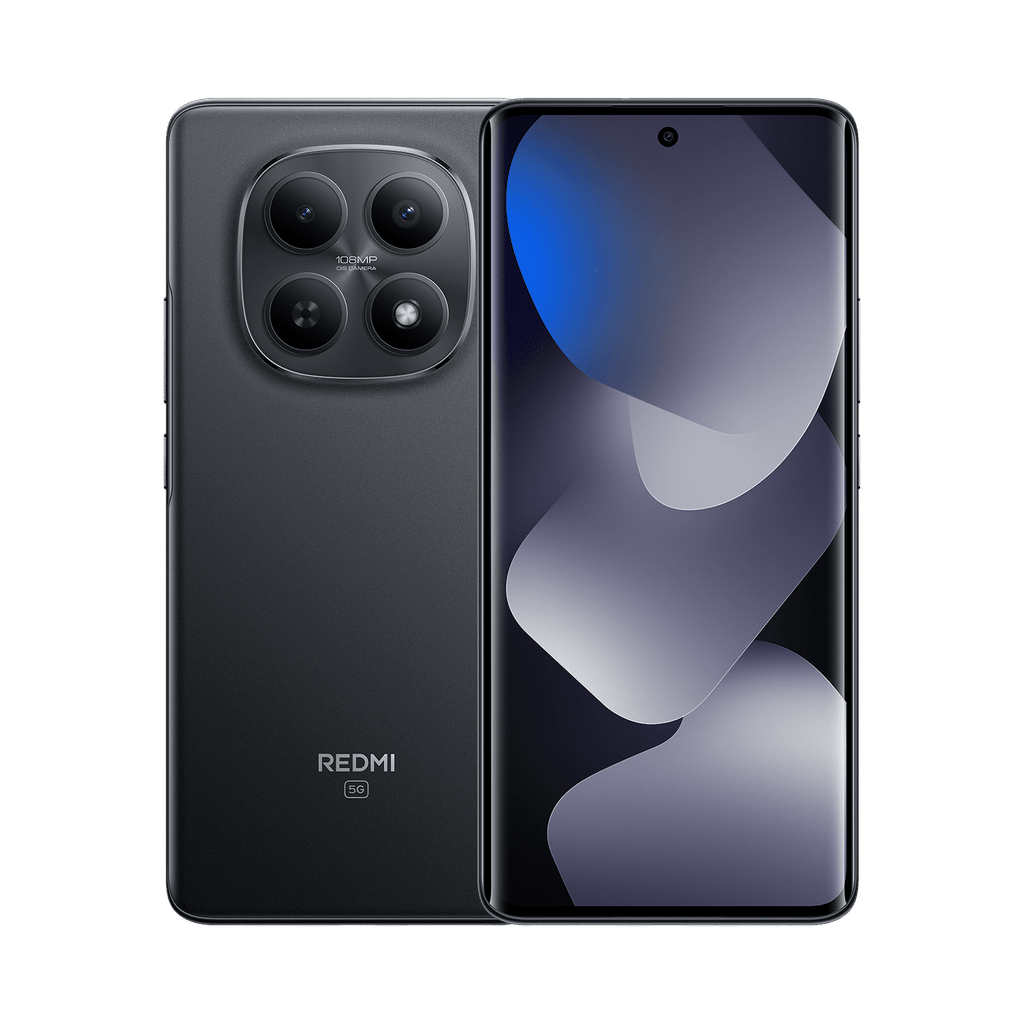
The Redmi Note 15 5G delivers a high-resolution camera and a large, smooth screen at a genuinely affordable level. Its 108MP stabilised main camera is the headline, and owners report it captures plenty of detail in good light, with Xiaomi’s AI tools handling edits like object removal. The 6.77-inch AMOLED runs at 120Hz with a very bright 3200-nit peak and eye-care PWM dimming, which reviewers say makes it comfortable for long sessions. A Snapdragon 6 Gen 3 chip drives everyday tasks, and a large 5520mAh silicon-carbon battery with 45W charging is rated for strong endurance. Extras include dual speakers, an IR blaster, NFC and a five-year battery-health claim, plus six years of security updates. The catches: an 8MP ultrawide is a clear step down from the main sensor, and HyperOS ships with some preinstalled apps. For buyers who want big-camera numbers and a bright screen without spending much, it is a strong value choice. Specs: Redmi Note 15 5G, 256GB, up to 8GB RAM.
Pros:
- 108MP stabilised main camera
- Bright 120Hz AMOLED with eye care
- Large 5520mAh battery with 45W charging
Cons:
- Modest 8MP ultrawide
- HyperOS includes preinstalled apps
10. Xiaomi Redmi Note 15 Pro+ 5G – Best overall mid-range flagship
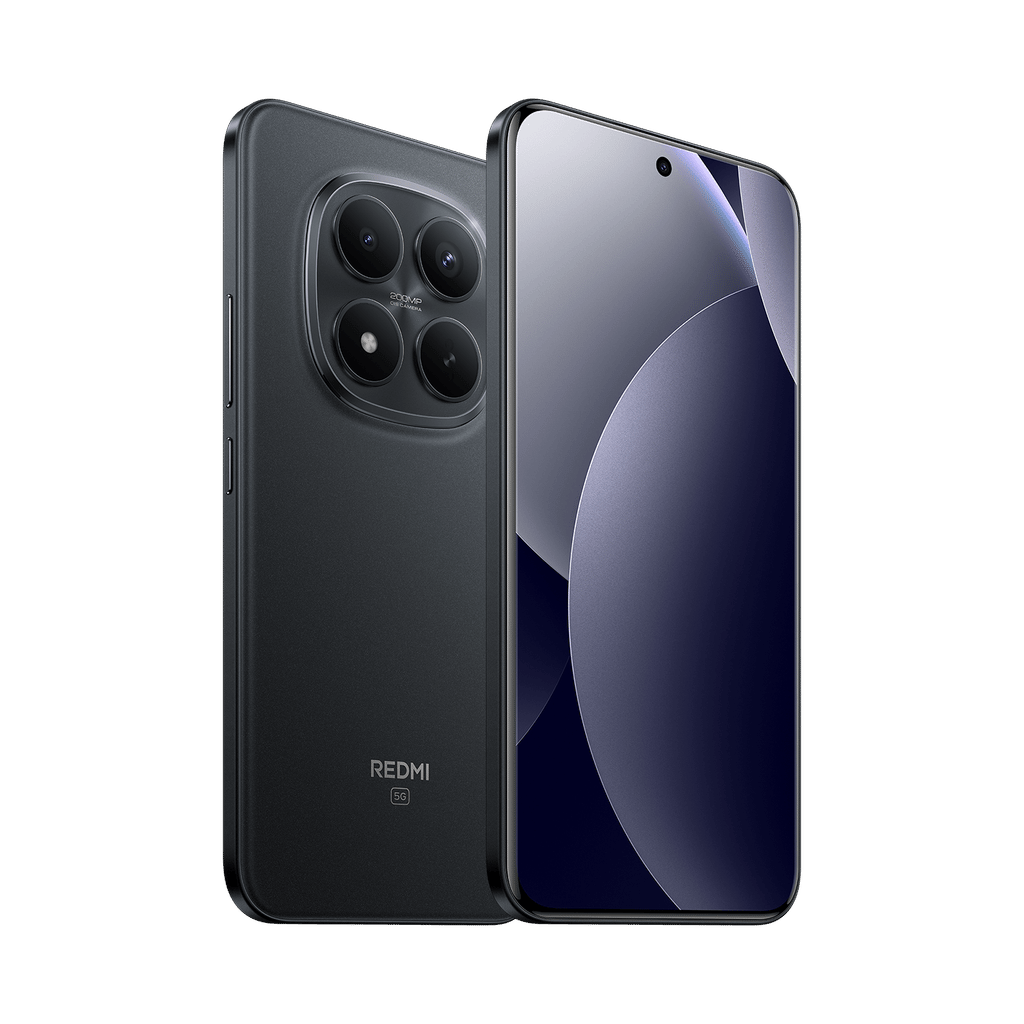
The Redmi Note 15 Pro+ is the most capable all-rounder here, blending a 200MP camera, fast charging and rugged sealing. Its 200MP main camera with optical stabilisation is the centrepiece, and reviewers say it produces sharp, flexible shots with room to crop, backed by Xiaomi’s HyperAI editing. The 6.83-inch 1.5K CrystalRes AMOLED runs at 120Hz with a 3200-nit peak and Gorilla Glass Victus 2, and the Snapdragon 7s Gen 4 with up to 12GB of RAM keeps everything responsive. A 6500mAh silicon-carbon battery with 100W HyperCharge is a standout, with the in-box charger rated to refill fully in around 40 minutes. Durability is a genuine strength thanks to IP66 and IP68 ratings and drop-resistance testing. The trade-offs are size and software: it is a large, heavier phone that not everyone will find pocket-friendly, and HyperOS still carries extra apps. For buyers who want the most phone at a mid-range price, it leads this list. Specs: Redmi Note 15 Pro+ 5G, 256GB or 512GB, up to 12GB RAM, Mocha Brown.
Pros:
- 200MP stabilised camera with strong versatility
- Very fast 100W charging on a 6500mAh battery
- IP68 with tough Gorilla Glass Victus 2
Cons:
- Large and relatively heavy
- HyperOS includes preinstalled apps
How we chose
These rankings are independently researched, not sponsored. We compared each phone using manufacturer specifications, New Zealand and Australian retailer listings, and verified owner and expert reviews. We weighted the factors Kiwi buyers tell us matter most: real-world battery life, screen quality and outdoor brightness, camera performance, value for money, software update length, and compatibility with New Zealand’s 4G and 5G bands. Where a model is older, discontinued or sold mainly as an import, we say so plainly. Prices change often and are not listed here, so tap through to check current pricing. Our rankings are never sold.
If you are comparing across the range, the guide to phones for seniors is worth a look.
The verdict
For most New Zealanders, the Google Pixel 10a offers the best mix of camera quality and long-term updates, while the Xiaomi Redmi Note 15 Pro+ is the pick if you want the most features for your money. Battery-first buyers should look at the Motorola Edge 70 Fusion, and anyone chasing Samsung’s long software support on a budget will be happy with the Galaxy A37 5G. Whichever you choose, confirm it supports New Zealand’s 4G Band 28 and 5G band n78 before you buy, particularly for imported models. For more picks around this price, browse our best mid-range smartphones guide.
Frequently Asked Questions
Will an imported or parallel-import phone work in New Zealand?
Mostly yes, but check the bands first. New Zealand networks rely on 4G Band 28 (700MHz) for rural and indoor coverage and 5G band n78 for speed. Some overseas models skip these or lack VoLTE calling, so confirm the exact model supports them with your carrier before you buy.
How much RAM and storage do I need in a smartphone?
For most New Zealanders, 8GB of RAM and 128GB of storage comfortably handle daily apps, photos and multitasking with room to grow. 6GB still runs smoothly on tidy Android builds, while 256GB suits heavy camera users. Cloud backups reduce how much local storage you actually need.
Which 5G bands do New Zealand networks use?
Spark, One NZ and 2degrees run 5G mainly on band n78 (3.5GHz), with some low-band rollout. For reliable 4G fallback you also want Band 3 and Band 28. A phone missing n78 will still work here but may drop back to 4G in 5G coverage areas.
Are parallel-imported phones covered by warranty in New Zealand?
Anything bought from a New Zealand retailer is covered by the Consumer Guarantees Act, even parallel imports. However, the manufacturer’s own warranty and local support may not apply to grey-import stock. Keep your receipt, and check whether the seller offers a local repair option before buying.
What is the best value smartphone in New Zealand right now?
Value depends on your needs, but mid-range Android phones lead on price-to-performance. Owners rate models with a 120Hz AMOLED screen, a 5000mAh or larger battery and a 50MP-plus main camera as the sweet spot. Longer software support, like six or seven years of updates, adds lasting value.
Does Amazon ship phones to New Zealand?
Amazon Australia ships many eligible items to New Zealand, often with free delivery on qualifying orders above a set threshold. Availability, import duties and delivery times vary by product and seller, so review the shipping and returns details on each listing before you order.
