
The best fitness tracker in NZ overall is the Fitbit Charge 6, a slim band with built-in GPS, continuous heart-rate tracking and smartwatch extras like Google Wallet and Maps in an aluminium case. Built-in GPS is the spec that matters most here, because it maps a run or a ride without a phone, which counts on the coastal and bush tracks where mobile coverage drops out entirely.
A good fitness tracker turns everyday activity, sleep and heart rate into numbers you can actually act on, without needing a full GPS sports watch.
We’ve compared 10 fitness trackers available in New Zealand, from screenless training straps to GPS-equipped smartwatches and a discreet smart ring, so you can match features and battery life to how you actually train.
Comparison Table
| Product | Best For | Key Specs |
|---|---|---|
| Fitbit Charge 6 | Best Overall | 7-day battery · built-in GPS · 24/7 heart rate + stress tracking · 50m water resistance |
| Garmin Forerunner 265 | Best for Running/GPS | 13-day battery · multi-band GPS · training readiness & HRV status · 50m water resistance |
| Amazfit Balance 2 | Best Premium | 21-day battery · dual-band GPS · 10ATM water resistance · 170+ sport modes |
| Xiaomi Smart Band 10 | Best Budget | 21-day battery · narrow-bezel AMOLED · 150+ sport modes · 5ATM water resistance |
| Samsung Galaxy Fit 3 | Best Compact/Lightweight | 14-day battery · 1.6-inch AMOLED · 100+ workout modes · 5ATM/IP68 rating |
| Huawei Band 11 | Best Battery Life | Up to 14-day battery · 1.62-inch AMOLED · sleep HRV tracking · 5ATM water resistance |
| Fitbit Inspire 3 | Best for Sleep Tracking | 10-day battery · sleep stage + readiness tracking · Active Zone Minutes · 50m water resistance |
| Amazfit Bip 6 | Best Display | 14-day battery · 1.97-inch AMOLED · built-in GPS + offline maps · 5ATM water resistance |
| Oura Ring 4 | Best for Discreet/Ring-Style Tracking | 8-day battery · 30+ biometrics tracked · titanium build · water resistant |
| Amazfit Helio Strap | Best Screenless/Minimalist | 10-day battery · screenless design · HYROX & strength training modes · Strava sync |
1. Fitbit Charge 6
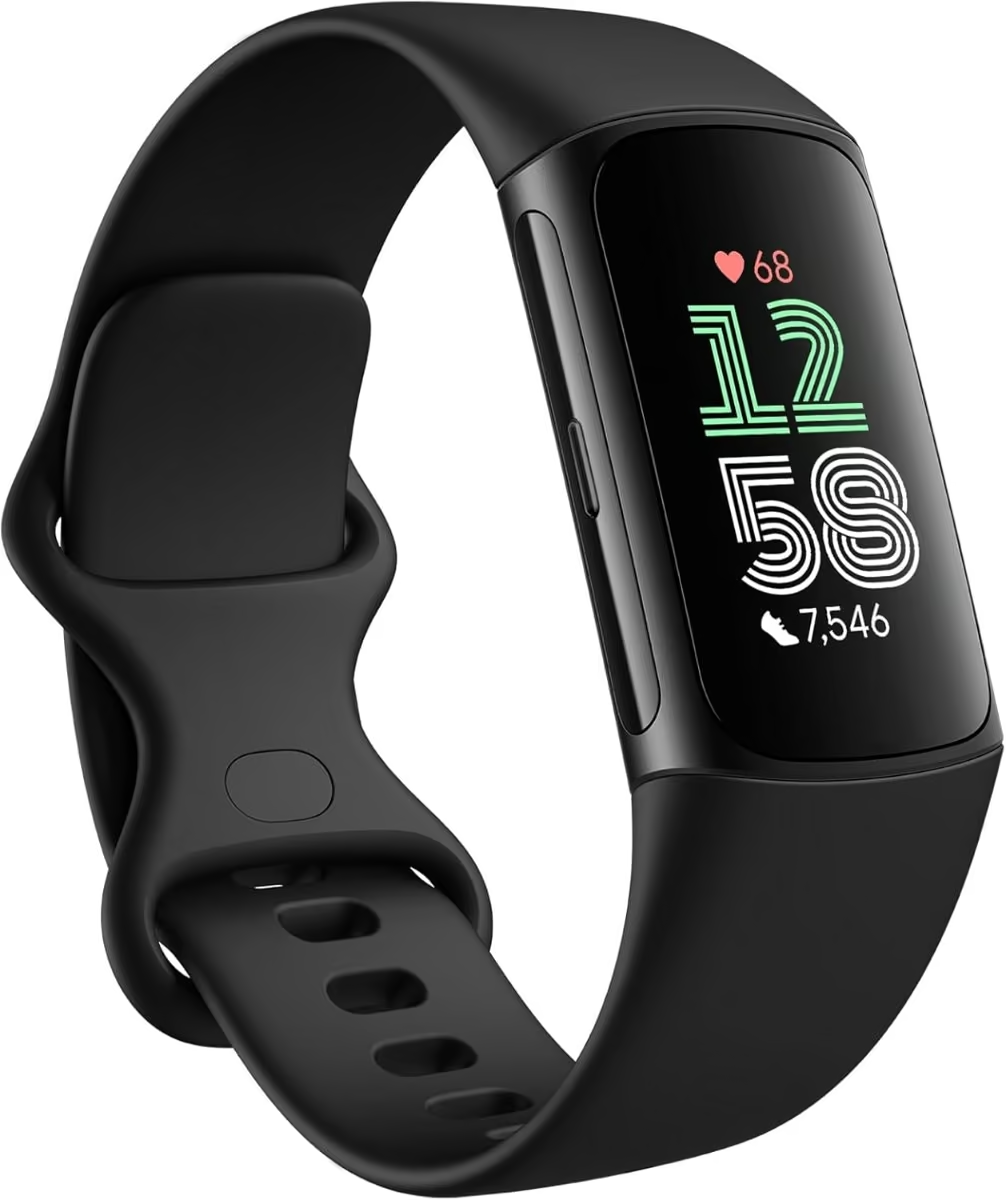
The Fitbit Charge 6 is Google’s flagship fitness band, built for people who want a slim wearable that still covers built-in GPS, heart-rate tracking and smartphone-grade extras like Google Wallet and Maps. It suits anyone upgrading from a basic pedometer band who wants a genuine step up in accuracy without moving to a full smartwatch.
The tracker uses a rectangular aluminium case with a silicone band and a small touchscreen, weighing around 30 grams so it disappears on the wrist during a run or a night’s sleep. Build quality feels premium for a band-style device, and the buckle clasp keeps the strap secure through sweaty workouts.
Built-in GPS means runs and cycles get tracked without needing a phone nearby, while continuous heart-rate and stress-management tools give a fuller picture of daily readiness. Sleep tracking with smart alarms and 40+ exercise modes make it genuinely useful day to day rather than a gimmick.
The catch is that several of the more advanced health insights sit behind a Fitbit Premium subscription, so the free experience is solid but not the full package. Battery life of around seven days is also shorter than most rivals in this list.
Pros
- Built-in GPS without needing a phone nearby
- Around 7 days of battery life
- Lightweight, comfortable everyday design
- Google Wallet and Maps integration
Cons
- Full health insights require a Fitbit Premium subscription
- Smaller display than smartwatch-style rivals
Key specs: 7-day battery · built-in GPS · 24/7 heart rate + stress tracking · 50m water resistance
2. Garmin Forerunner 265
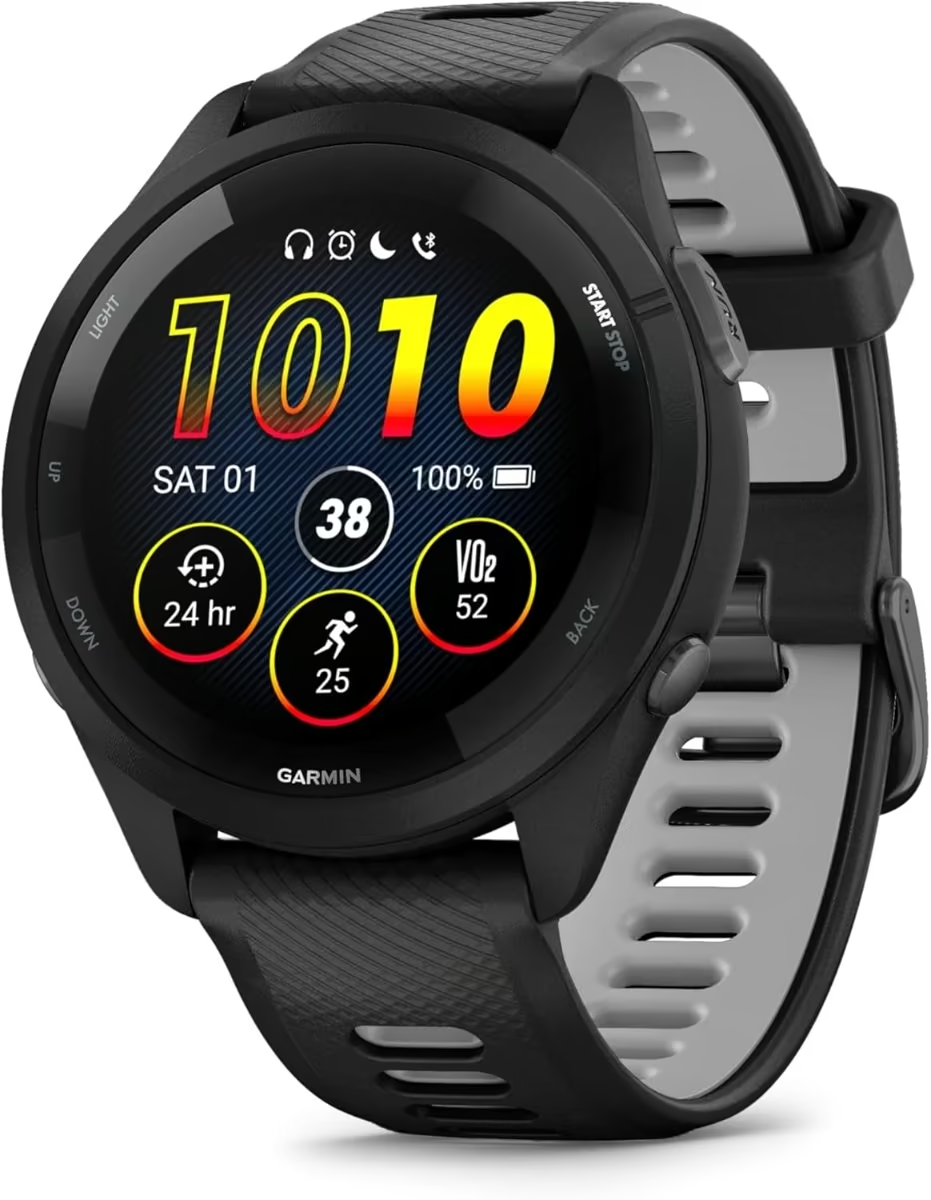
The Garmin Forerunner 265 is a dedicated running smartwatch aimed at serious runners and triathletes who want proper training data rather than basic step counts. It suits anyone training for a race who wants recovery insights alongside genuine GPS accuracy.
It has a 46mm aluminium case with a bright AMOLED touchscreen plus physical buttons, so it works with gloves on or in the rain. At 47 grams it is noticeably more substantial than a slim band but still comfortable for daily wear.
Multi-band GPS keeps route tracking sharp even in built-up areas, and the morning report pulls together sleep, HRV status and training readiness into one useful summary each day. Up to 13 days of smartwatch battery life, or roughly 20 hours in GPS mode, means fewer mid-week charges than most GPS watches.
All of this comes at a premium price well above the rest of this list, and the wealth of training metrics can feel like overkill for someone who just wants basic step and sleep tracking.
Pros
- Multi-band GPS for sharper route accuracy
- AMOLED touchscreen plus physical buttons
- Detailed training and recovery metrics
- Up to 13 days of battery life
Cons
- Significantly more expensive than other trackers in this list
- Depth of metrics can overwhelm casual users
Key specs: 13-day battery · multi-band GPS · training readiness & HRV status · 50m water resistance
3. Amazfit Balance 2
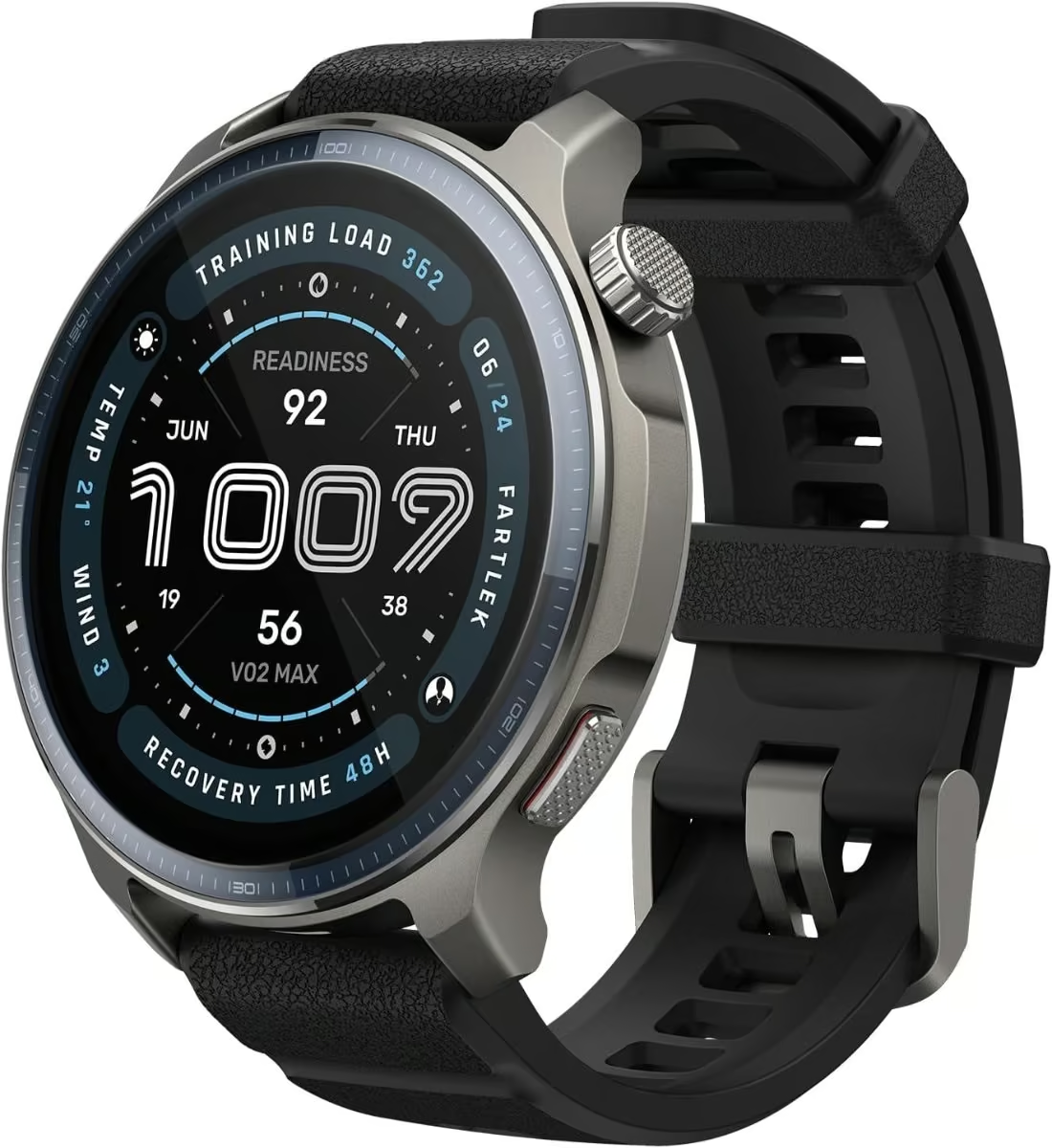
The Amazfit Balance 2 is a premium GPS smartwatch for people who want smartwatch styling with genuine multisport credentials, including golf course maps and HYROX-specific training modes. It suits fitness enthusiasts who want one device to cover the gym, the trail and the golf course.
The 47mm case houses a sapphire-crystal AMOLED display, giving it a more refined finish than most fitness-focused watches, and the silicone band keeps things comfortable during long sessions. With 10ATM water resistance and a 45m diving certification, it is built for genuinely demanding conditions.
Dual-band GPS across six satellite systems keeps positioning tight, offline maps allow navigation without a phone, and the companion app’s photo-based food logging is a handy touch for anyone tracking nutrition alongside training. Battery life of up to 21 days in typical use is a genuine standout for a GPS-equipped watch.
The sheer number of features means the companion app can feel busy to configure at first, and this remains one of the pricier options in this list for buyers who only need basic tracking.
Pros
- Up to 21 days battery life with GPS available
- Dual-band GPS across six satellite systems
- 10ATM water resistance with dive certification
- Offline maps and photo-based food logging
Cons
- Premium price point
- Feature-rich app has a learning curve
Key specs: 21-day battery · dual-band GPS · 10ATM water resistance · 170+ sport modes
4. Xiaomi Smart Band 10
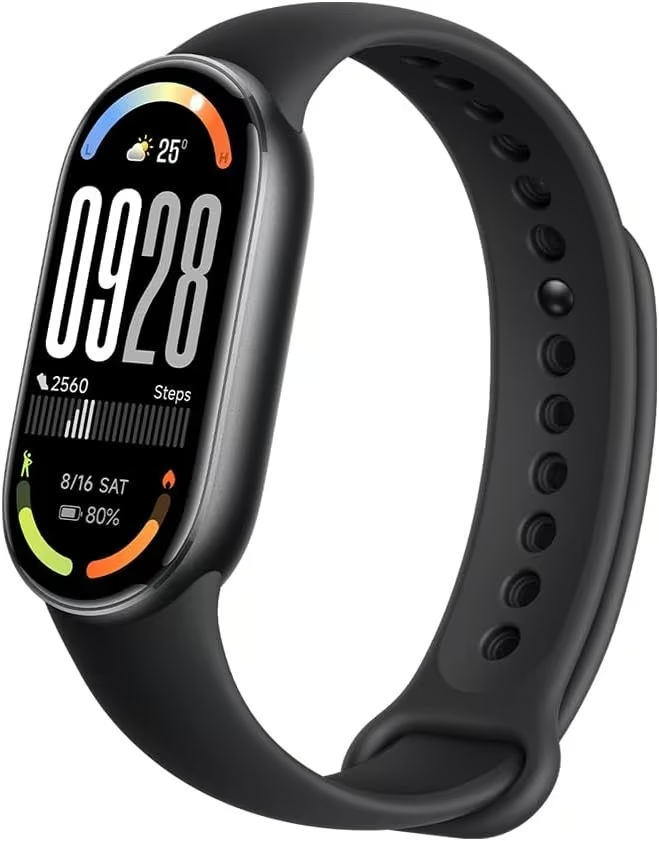
The Xiaomi Smart Band 10 is an affordable fitness band for people who want reliable step, sleep and heart-rate tracking without paying smartwatch prices. It is a solid pick for first-time buyers or anyone replacing an ageing basic tracker.
It has a narrow-bezel AMOLED screen in an aluminium alloy frame, with quick-release straps that make swapping colours or materials simple. At around 30 grams it is light enough to wear overnight for sleep tracking without any discomfort.
With over 150 sports modes, swimming heart-rate tracking and 5ATM water resistance, it covers most everyday fitness needs, and the AMOLED screen stays easy to read even with fast charging bringing it back to full in about an hour. Battery life of up to 21 days is excellent for the price point.
The listing’s spec sheet claims built-in GPS and cellular connectivity, but this is a phone-tethered tracker without its own GPS chip or SIM support, so runs still need a phone nearby for accurate route mapping.
Pros
- Very affordable price
- Up to 21 days battery life
- Bright, narrow-bezel AMOLED display
- 150+ sport modes with 5ATM rating
Cons
- No true built-in GPS despite what the spec sheet lists
- Smaller feature set than pricier watches
Key specs: 21-day battery · narrow-bezel AMOLED · 150+ sport modes · 5ATM water resistance
5. Samsung Galaxy Fit 3
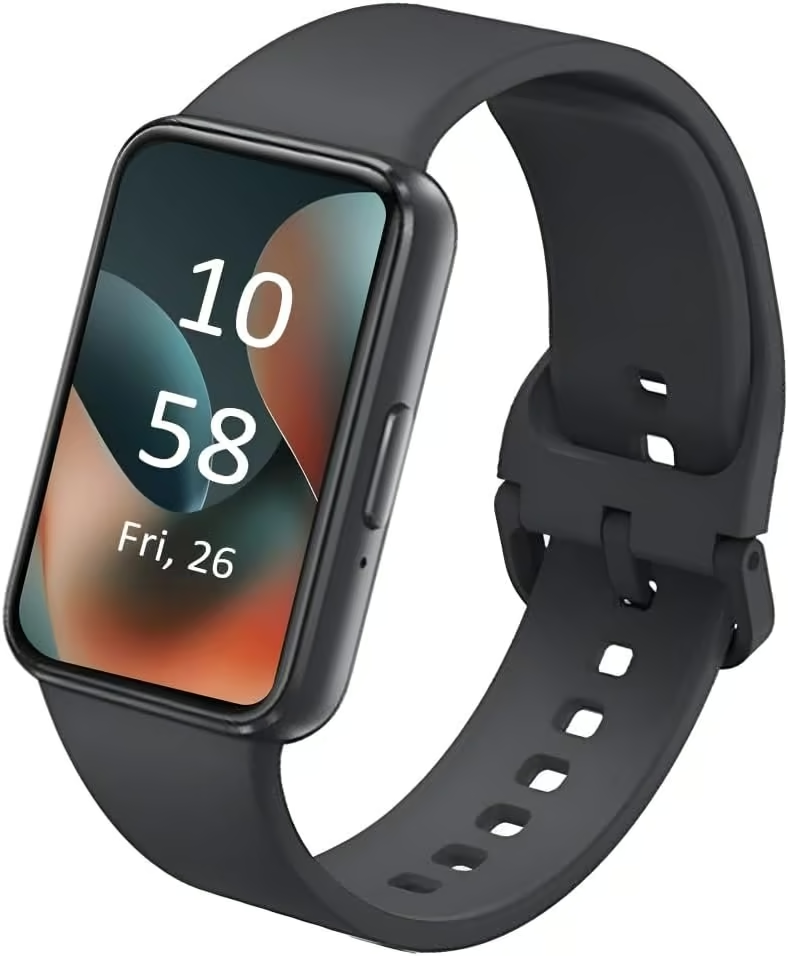
The Samsung Galaxy Fit 3 is a slim, rectangular fitness band aimed at Android and Galaxy phone owners who want lightweight all-day tracking without a bulky watch face. It particularly suits anyone who finds larger smartwatches uncomfortable for sleep tracking.
At just under 37 grams with an AMOLED display, it sits close to the wrist and barely registers during exercise or sleep. The silicone band and buckle closure keep it secure, and the 5ATM/IP68 rating makes it swim-friendly.
Automatic workout detection across 100+ modes takes the guesswork out of logging exercise, and sleep coaching with snore detection adds a genuinely useful layer beyond basic sleep stages. Up to 14 days of battery life from a small cell is a strong result for the size.
The spec sheet lists an eSIM slot, which does not match this band-style tracker’s actual feature set, so buyers should not expect standalone cellular calling. It also leans most heavily into the Samsung Health ecosystem, so non-Galaxy Android users get a slightly reduced experience.
Pros
- Very lightweight at under 40 grams
- Up to 14 days battery life
- Automatic workout detection
- Sleep coaching with snore detection
Cons
- Best features tied to Samsung Health/Galaxy ecosystem
- No true cellular/eSIM despite what the spec sheet lists
Key specs: 14-day battery · 1.6-inch AMOLED · 100+ workout modes · 5ATM/IP68 rating
6. Huawei Band 11
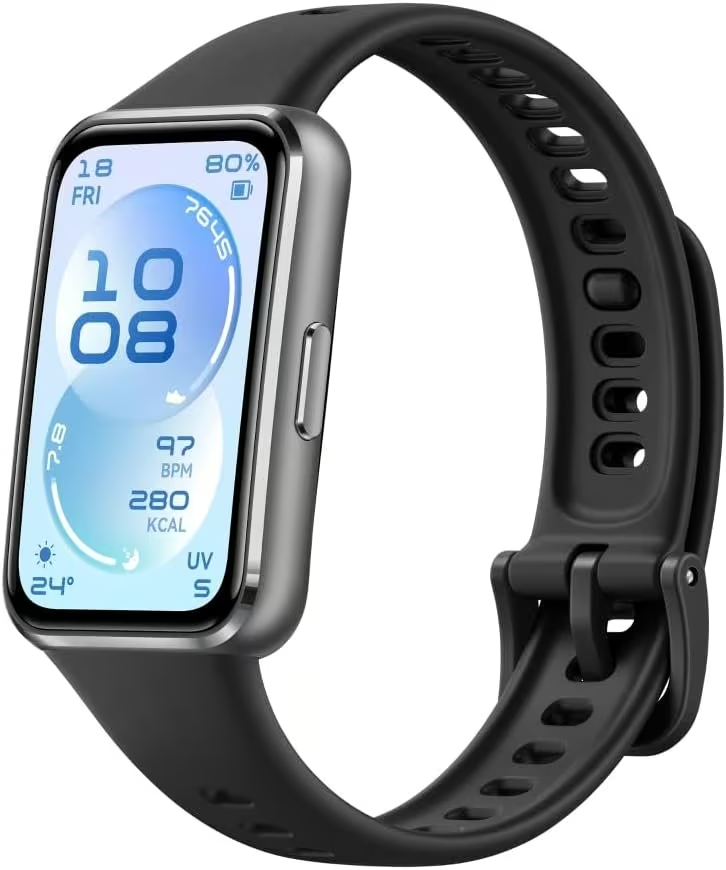
The Huawei Band 11 is a lightweight fitness band built around long battery life and everyday wellbeing tracking, making it a good fit for people who dislike charging their tracker every few days. It suits users already in the Huawei Health ecosystem or anyone wanting a no-fuss daily wearable.
The case is CNC-cut aluminium alloy at under 9mm thick and very light, giving it a genuinely unobtrusive feel on the wrist. The AMOLED display reaches high brightness, so it stays legible in bright sunlight.
Sleep tracking goes beyond basic stages to average sleep HRV, paired with heart-rate and SpO2 alerts when readings fall outside a personal range. Huawei quotes up to 14 days of light use per charge, and the emotional wellbeing feature offers a playful way to check in on mood through the day.
Some advanced features work best paired with the Huawei Health app rather than Apple Health or Google Fit, which may frustrate iPhone users wanting deep integration, and there is no built-in GPS for standalone route tracking.
Pros
- Long battery life, up to 14 days
- Bright AMOLED display
- Lightweight aluminium alloy build
- Sleep HRV tracking with alerts
Cons
- No built-in GPS
- Deepest integration is with Huawei’s own health app
Key specs: Up to 14-day battery · 1.62-inch AMOLED · sleep HRV tracking · 5ATM water resistance
7. Fitbit Inspire 3
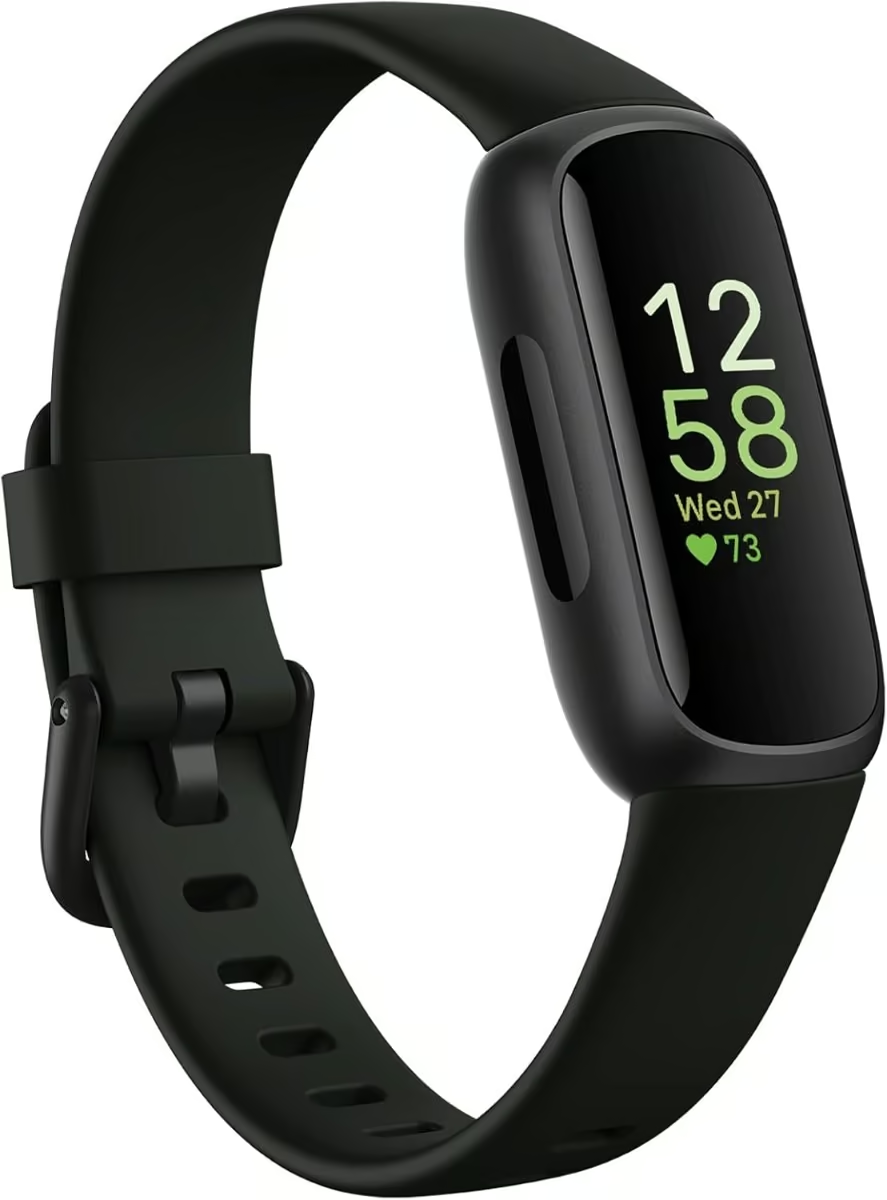
The Fitbit Inspire 3 is a simple, budget-friendly activity tracker aimed at people whose main priority is understanding their sleep and daily readiness rather than chasing detailed sports metrics. It is a good entry point for someone new to fitness tracking.
The compact rectangular case is light enough to wear overnight comfortably, with a small colour touchscreen and a synthetic infinity band included in two sizes for a secure fit. Water resistance to 50 metres means it can be worn in the shower or pool without concern.
Its sleep tracking breaks rest into light, deep and REM stages, while Active Zone Minutes give a simple way to see whether a workout was actually intense enough to count. A daily readiness score and stress-management tools round out the everyday health picture, backed by up to 10 days of battery life.
It relies on a connected phone for GPS during outdoor workouts rather than tracking location itself, and the included Fitbit Premium trial eventually rolls into a paid subscription for the deepest insights.
Pros
- Strong sleep-stage tracking
- Lightweight, all-day comfort
- Up to 10 days battery life
- 50m water resistance
Cons
- No built-in GPS
- Full features require ongoing Fitbit Premium after the included trial
Key specs: 10-day battery · sleep stage + readiness tracking · Active Zone Minutes · 50m water resistance
8. Amazfit Bip 6
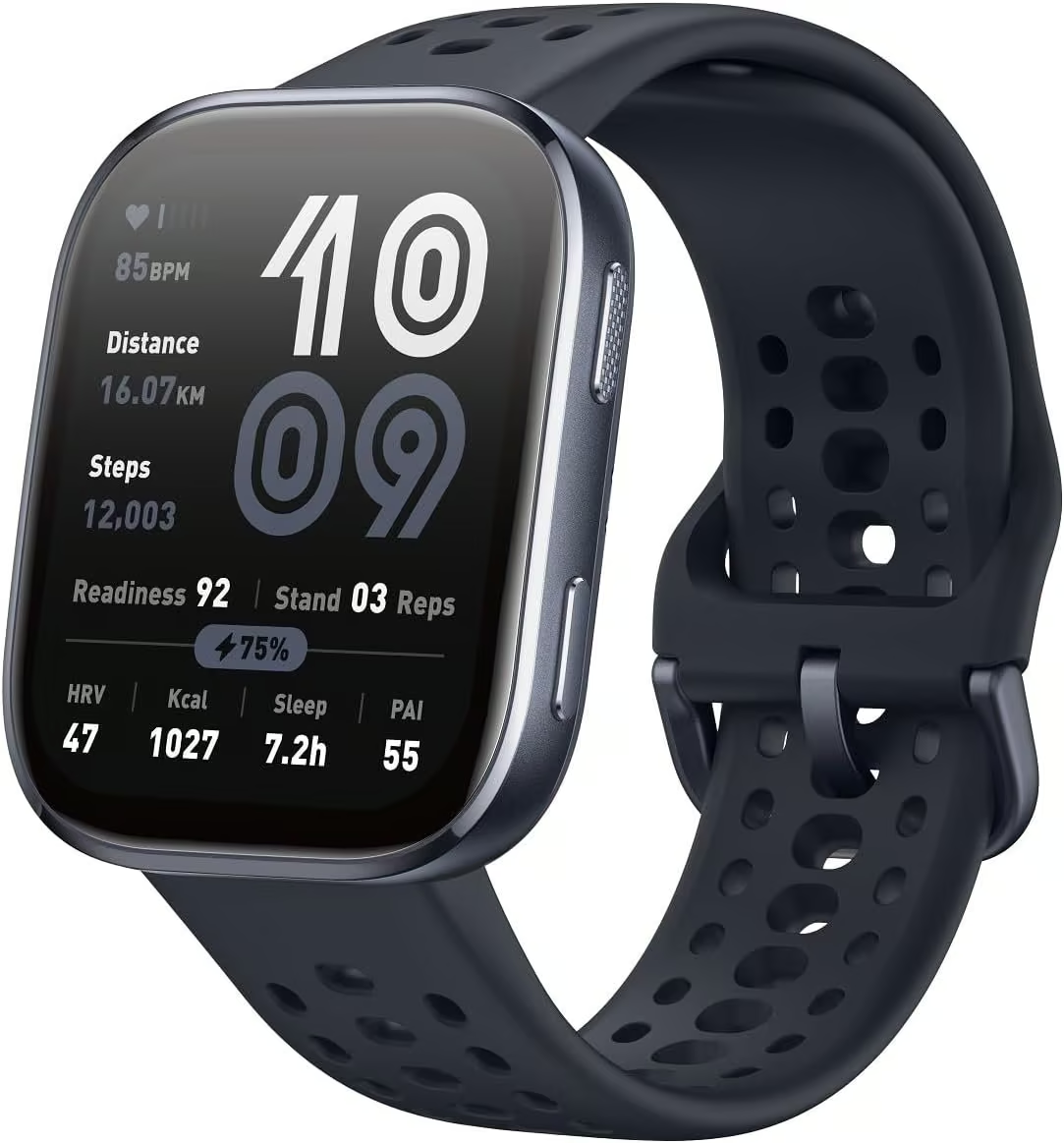
The Amazfit Bip 6 is a budget smartwatch that pairs genuine built-in GPS with a large, vivid display, aimed at people who want smartwatch looks and fitness features without the smartwatch price tag. It suits walkers, runners and gym-goers who want more screen to work with.
The square case houses a large AMOLED display reaching high brightness, easily one of the largest and brightest screens in this price bracket, in a body weighing around 41 grams. The metal-accented band adds a slightly more premium look than most budget trackers.
With GPS support across four satellite systems plus downloadable offline maps, it can handle outdoor navigation without a phone in hand, and 140+ workout modes cover everything from HYROX-style training to swimming. Amazfit rates the battery at up to 14 days, which holds up well with GPS used occasionally rather than constantly.
Heavy GPS use during long outdoor sessions will drain the battery considerably faster than the quoted figure, and the AI coaching features work best alongside the companion app rather than as a fully standalone tool.
Pros
- Large, bright AMOLED display
- Built-in GPS with offline maps
- Up to 14 days battery life
- 140+ sport modes
Cons
- Battery drops quickly with heavy GPS use
- Best features need the companion app
Key specs: 14-day battery · 1.97-inch AMOLED · built-in GPS + offline maps · 5ATM water resistance
9. Oura Ring 4
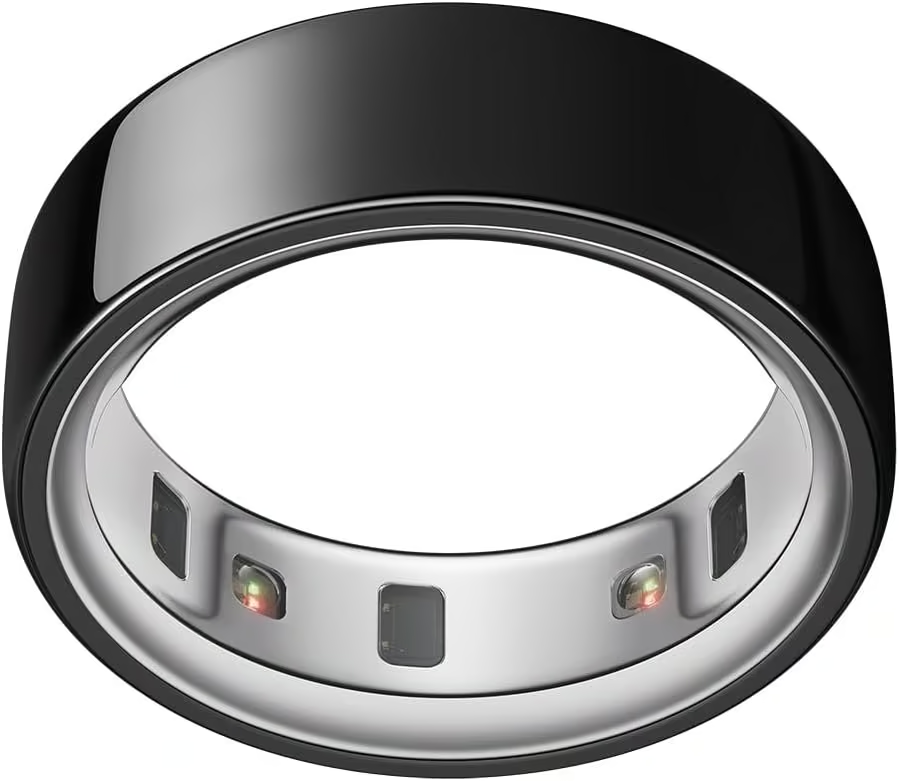
The Oura Ring 4 takes fitness tracking off the wrist entirely, packing heart-rate, sleep and recovery sensors into a titanium ring for people who find watches and bands intrusive. It particularly suits those most interested in recovery and sleep quality rather than in-workout stats.
The ring uses a titanium body available in a range of sizes, with a dedicated sizing kit recommended before ordering since ring sizing differs from standard jewellery sizes. It has no screen and no vibration, so it disappears on the finger during exercise, sleep or everyday wear.
It tracks more than 30 biometrics including sleep stages, heart-rate variability, stress and women’s health metrics, with sensing technology that adjusts to the wearer over time for more accurate readings. Battery life of up to eight days is respectable for a device this small, and the titanium build is water resistant for daily wear.
Full access to the health insights requires an ongoing membership after the first free month, which adds an extra recurring cost on top of the ring’s purchase price, and there is no display for checking stats without picking up a phone.
Pros
- Extremely discreet ring form factor
- Tracks 30+ biometrics including HRV and sleep
- Up to 8 days battery life
- Durable titanium build
Cons
- Requires an ongoing paid membership for full insights
- No on-device display for quick checks
Key specs: 8-day battery · 30+ biometrics tracked · titanium build · water resistant
10. Amazfit Helio Strap
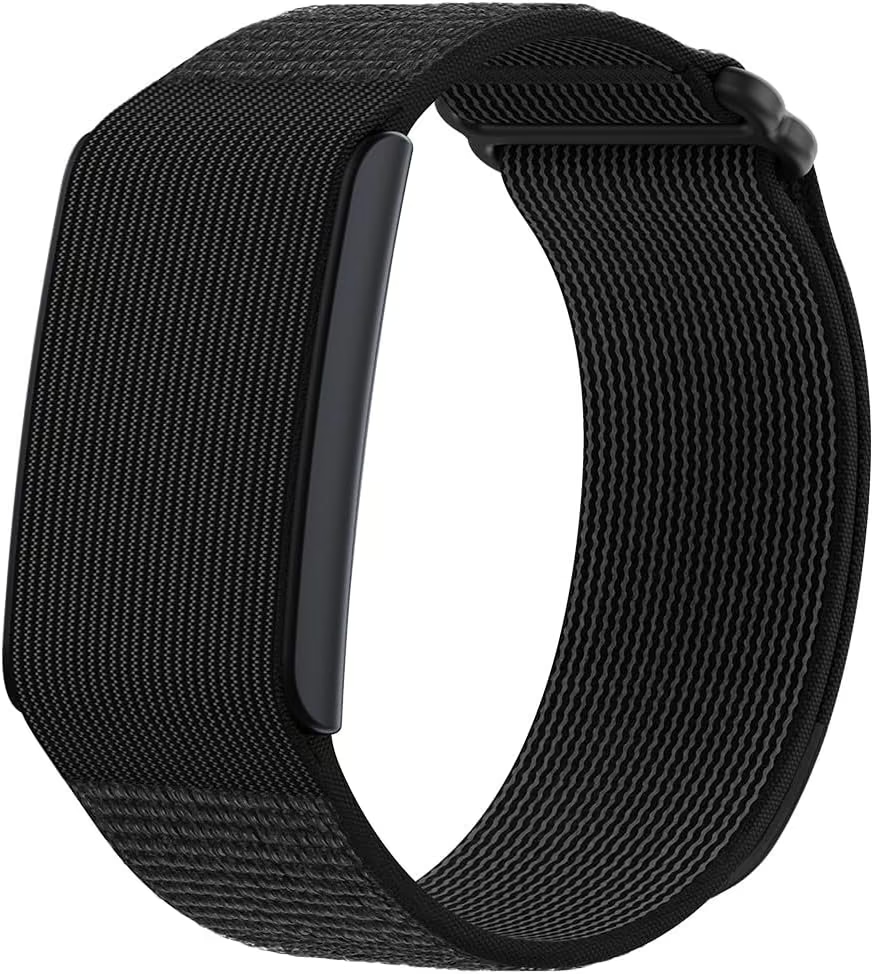
The Amazfit Helio Strap strips the fitness tracker back to a screenless wristband, aimed at lifters and HYROX-style athletes who want serious training data without a display competing for attention mid-set. It suits anyone who finds a watch face distracting during strength work.
The nylon strap and hook-and-loop closure keep the low-profile module secure through heavy training, and with no screen to light up, it stays genuinely unobtrusive on the wrist. It is a lightweight design built specifically for gym and training environments rather than everyday smartwatch use.
A dedicated HYROX Race mode tracks reps, sets and rest periods, while the companion app adds post-workout analysis including VO2 max and training load, plus syncing with Strava, TrainingPeaks and other third-party platforms. Battery life of up to 10 days is solid given the always-on heart-rate and sleep monitoring running in the background.
Without a screen, checking stats mid-workout means reaching for a phone, which will not suit everyone, and despite what the spec sheet suggests, this strap relies on a connected phone for GPS rather than having its own built-in chip.
Pros
- No ongoing subscription required
- Dedicated strength and HYROX training modes
- Up to 10 days battery life
- Genuinely unobtrusive screenless design
Cons
- No on-wrist display for checking stats mid-session
- Relies on a phone for GPS despite the spec sheet listing built-in GPS
Key specs: 10-day battery · screenless design · HYROX & strength training modes · Strava sync
How to Choose a Fitness Tracker
Built-in GPS vs connected GPS
Built-in GPS is worth paying for if you regularly train without your phone. If you always carry your phone, a connected GPS tracker gives similarly useful route data at a lower price.
Battery life
Simple band-style trackers commonly run 10-21 days per charge, while GPS-heavy smartwatches drain faster with heavy outdoor use. Match this to how often you’re willing to charge.
Subscriptions
Fitbit and Oura place some of their deepest health insights behind a paid membership after an included trial. Most Xiaomi, Amazfit and Huawei trackers offer their full feature set for free.
Form factor
A slim band suits sleep tracking and all-day comfort, a fuller smartwatch suits runners wanting a bigger display and buttons, and a screenless strap or ring suits anyone who finds a watch face distracting during training.
If you like measuring progress, the guides to kids’ smart watches, smart watches and bathroom scales cover the rest of the home health kit.
Most of what people actually use daily is steps, sleep and heart rate, all of which any affordable fitness tracker records perfectly well for a third of the price.
Verdict
The Fitbit Charge 6 is our overall pick for most people, combining built-in GPS, a comfortable design and Google’s ecosystem in a genuinely useful everyday band. Runners chasing detailed training data should look at the Garmin Forerunner 265, while anyone on a budget can still get 150+ sport modes and three weeks of battery from the Xiaomi Smart Band 10. Matching battery life and subscription requirements to your own habits will matter more than chasing the longest spec sheet.
Frequently Asked Questions
How accurate are fitness trackers at counting steps and calories?
Most modern fitness trackers are quite accurate for step counting, typically within a few percent of an actual step count during normal walking. Calorie estimates are less precise because they rely on formulas based on heart rate, weight and activity type, so they are best treated as a helpful guide rather than an exact figure.
Do I need a tracker with built-in GPS?
Built-in GPS is worth paying for if you regularly run, cycle or hike without your phone, since it lets the tracker log accurate routes and pace on its own. If you always carry your phone during workouts, a connected GPS tracker that borrows your phone’s location will usually give similarly useful results at a lower price.
How does sleep tracking on a fitness tracker actually work?
Fitness trackers estimate sleep stages using a combination of movement, via an accelerometer, and heart-rate patterns, then use an algorithm to guess when you are in light, deep or REM sleep. It is a reasonable approximation of trends over time, but it is not a substitute for a clinical sleep study if you suspect a genuine sleep disorder.
What does a water resistance rating like 5ATM actually mean?
A 5ATM rating means the device is designed to withstand pressure equivalent to 50 metres of static water depth, which covers swimming, showering and rain without issue. It is not rated for diving or high-pressure activities like water skiing, so it pays to check a device’s specific guidance before pushing it beyond everyday use.
Will I need to pay for a subscription to use all the features?
Some brands, notably Fitbit and Oura, place their more detailed health insights, such as advanced sleep analysis or long-term trend reports, behind a paid membership after an included trial period. Other brands, including most Xiaomi, Amazfit and Huawei trackers, offer their full feature set through a free companion app with no ongoing subscription.
How long do fitness trackers typically last before needing to be replaced?
A well-made fitness tracker or fitness watch usually lasts two to four years of daily use before the battery noticeably degrades or a newer generation offers a meaningful upgrade. Band-style trackers with simpler hardware tend to hold up a little longer than GPS-heavy smartwatches, which work their batteries harder.
