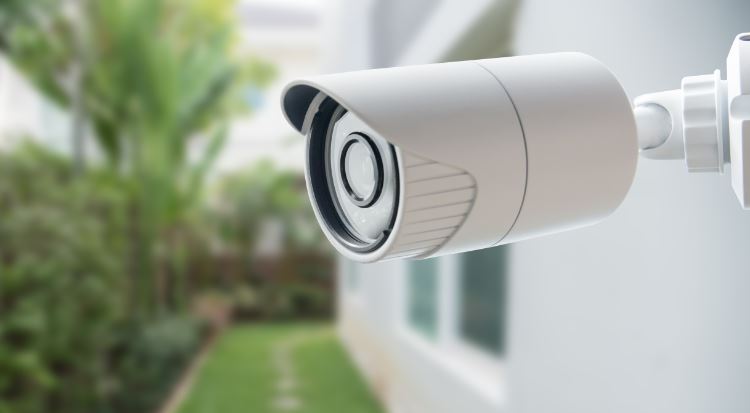
The best outdoor security camera in NZ overall is the Swann Xtreem4K wire-free 2-pack, thanks to its sharp 4K image, magnetic tool-free mounting and battery life rated up to four months per charge.
It will not suit every property though, so this guide covers nine cameras and CCTV systems built for different New Zealand homes, from a 4G cellular unit for off-grid lifestyle blocks through to complete wired DVR kits for whole-property coverage.
Every pick below is written up from real retailer listings and specification sheets rather than marketing copy alone, with genuine trade-offs included alongside the strengths. Every camera here streams to an app on modern smartphones, so setup rarely needs more than a WiFi password and a few minutes.
Quick comparison
| Product | Best for | Power source | Resolution | Cameras included |
|---|---|---|---|---|
| 4G Solar Home Security Camera | Off-grid properties, no WiFi | Solar + battery, 4G/LTE | 4MP dual lens | 1 PTZ camera |
| UL-Tech 8-Channel HDMI DVR | Building a custom wired system | Mains (DVR only) | 1080P, 8-channel | DVR only, cameras separate |
| UL-Tech 4-Camera Dome System | Complete out-of-box kit | Mains, wired | 1080P | 4 dome cameras + DVR |
| UL-Tech 3MP Wireless Set | Expanding an existing NVR | Mains, WiFi | 3MP | 2 cameras, NVR required |
| UL-Tech Wireless Bullet Set | Long-range bullet coverage | Mains, WiFi/wired | 3MP-class | 2 cameras, NVR required |
| Swann Xtreem4K 2-Pack | Best overall | Rechargeable battery | 4K / 8MP | 2 cameras |
| eufy PoE Cam E41 | eufy NVR households | PoE, NVR required | 4K / 8MP | 1 camera (add-on) |
| MUBVIEW QB320 | Budget 360-degree coverage | Wired / mains | 2K / 3MP | 1 camera |
| DZEES 4-Pack | Whole-property coverage | Rechargeable battery | 1080P | 4 cameras |
1. 4G Solar Home Security Camera – Best for Off-Grid Properties
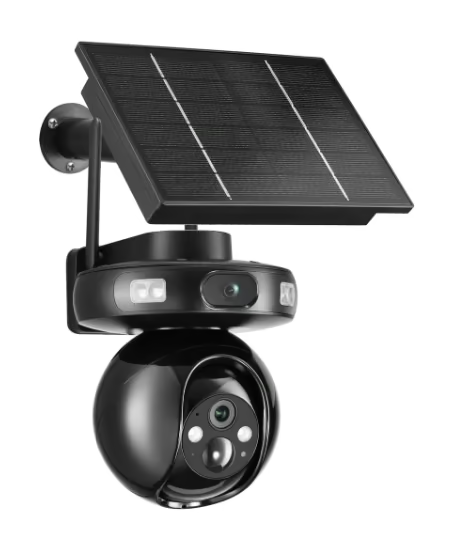
The best pick for lifestyle blocks, baches and rural gates is this 4G solar security camera, since it skips home WiFi entirely and connects straight to the mobile network.
A compact PTZ (pan-tilt-zoom) camera head sits above a small fixed solar panel, built as a single pole or eave-mount unit rather than a hub-and-satellite system. The dual-lens layout means one housing can cover two sightlines at once, handy for watching a gate and a driveway from a single mounting point.
The retailer does not publish an exact colourway or housing material beyond describing it as a weatherproof outdoor unit, so shoppers wanting a specific finish should confirm with the seller first. Internal rechargeable batteries plus the solar panel are built to run the unit without mains power, and the motion sensor physically drives the PTZ head rather than relying on a fixed digital zoom.
Setup centres on inserting a SIM card and mobile data plan rather than joining a home network, which is the entire appeal for rural buyers with no broadband, but it does add an ongoing data cost on top of the camera. Resolution runs to 4MP across the dual lens, with PIR motion sensing and PTZ tracking; cellular-connected cameras of this type typically send lower-frequency clip updates than WiFi models to conserve mobile data.
No confirmed dimensions, weight or night-vision distance are published for this exact listing, and a mobile data plan is an extra recurring cost to factor in. This is not the pick for anyone wanting instant, high-frequency live streaming.
Pros
- Works anywhere with mobile coverage, no WiFi or mains power needed
- Dual-lens PTZ covers two angles from one housing
- Solar panel reduces battery charging
Cons
- Needs an ongoing SIM/data plan
- Exact dimensions and night vision range not published
- Currently shown as almost sold out
Key specs: Dual-lens 4MP sensor, PTZ pan-tilt, solar panel with battery backup, 4G/LTE connectivity, PIR motion sensor.
2. UL-Tech 8-Channel CCTV DVR – Best for Building a Custom Wired System
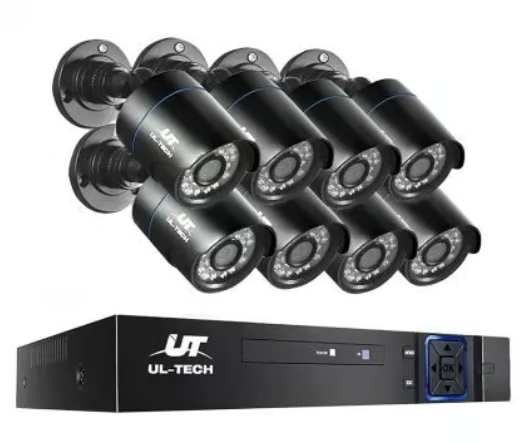
Shoppers who already own or plan to add analogue cameras piece by piece are best served by this UL-Tech 8-channel DVR, the recording brain of a wired CCTV setup rather than a plug-and-play kit.
It is a boxy benchtop recorder built to sit in a cupboard or media unit near the router, with 8 BNC camera inputs on the back plus VGA and HDMI monitor outputs. Typical of budget DVR hardware, the casing is plain black plastic-and-metal with a front panel for a mouse and status LEDs rather than any display screen.
A single SATA bay accepts a hard drive up to 6TB, and an RS485 port supports PTZ camera control, so the unit is built to expand as a household adds cameras over time. Setup runs through a wired mouse and the on-screen menu, with two USB ports for that mouse and for backing up footage to a USB stick, plus P2P remote viewing through a companion app once configured.
Recording runs at 1080N-class quality across all 8 channels at up to roughly 12fps per channel, with H.264 compression and up to 192 configurable motion zones for tuning false alerts.
This listing is the recorder only. Whether cameras or a hard drive ship in this exact box is not confirmed, so buyers should check before assuming a complete kit, and 12fps is noticeably choppier than the smoother 15-25fps systems offer.
Pros
- Expandable to 8 cameras
- Accepts hard drives up to 6TB
- PTZ control port and app-based remote viewing
Cons
- Recorder-only unless confirmed otherwise
- Cameras and hard drive likely need separate purchase
- 12fps recording is basic by 2026 standards
Key specs: 8-channel DVR, H.264, 1080N recording, VGA/HDMI output, 12V/2A power, UL-Tech.
3. UL-Tech 4-Camera Dome CCTV System – Best Complete Out-of-Box Kit
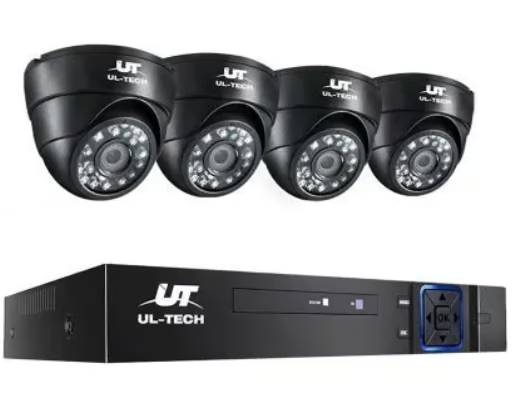
For anyone wanting cameras and a recorder in one box, this UL-Tech 4-dome system is the most complete starting point on this list.
Four compact dome cameras pair with a 4-channel DVR that accepts AHD, TVI, CVI, CVBS or IP inputs, giving some flexibility to mix camera types later. The dome housings use a standard white plastic-and-metal shell typical of budget CCTV domes, with a 3.6mm fixed lens ringed by 24 infrared LEDs for night vision.
Each dome runs on 12V DC power at under 5W, connected through the included 18.3m combined BNC-and-power cables, with a 1-to-4 power splitter and two 12V/2A adaptors in the box. The XMEye app handles remote viewing and email alerts once the DVR is on the network, and a USB mouse is included for on-screen setup; a hard drive is not included, so recording needs a drive added separately.
Resolution runs to 1080P per camera, night vision is rated to roughly 20m, and up to 192 motion detection zones help cut down false alerts.
No hard drive in the box means an extra purchase before the system can actually record continuously, and exact dome dimensions or a weatherproof rating are not published on this listing.
Pros
- Complete 4-camera kit with DVR in one box
- Flexible AHD/TVI/CVI/IP inputs
- 20m night vision with instant email alerts via the XMEye app
Cons
- Hard drive not included
- Dome housing size and IP rating not confirmed
- Budget-tier 1080P rather than 4K
Key specs: 4-channel 5-in-1 DVR, 4x 1080P dome cameras, 3.6mm lens, 24 IR LEDs per camera, UL-Tech.
4. UL-Tech Wireless Camera Set – Best for Expanding an Existing NVR
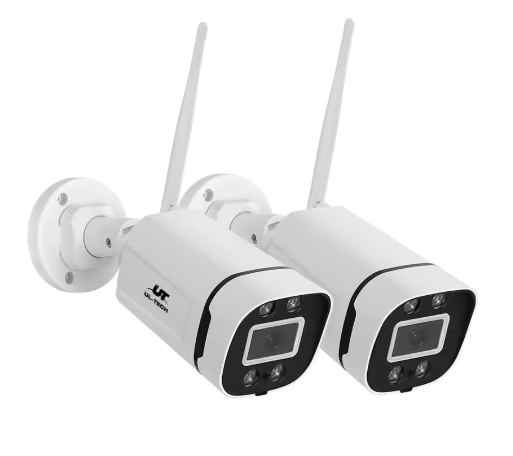
This 3MP wireless 2-camera set is the pick for households that already run a UL-Tech NVR and simply need to add coverage, rather than start from scratch.
Two compact WiFi cameras in white plastic housing are designed to mount outdoors and pair wirelessly back to an existing NVR, not to a phone app on their own. The white housing and 3.6mm fixed lens keep a low profile under an eave, with auto day/night (ICR) switching between colour daytime footage and black-and-white infrared at night.
Wide dynamic range (DWDR) handling helps balance strong backlight, such as a camera facing a bright driveway or sky, and the IP65 rating covers rain and dust for outdoor mounting. Because these cameras rely on a UL-Tech NVR rather than a standalone app, setup is really an NVR-pairing step rather than a phone-first onboarding, which suits buyers who already know that ecosystem.
Resolution sits at 3MP (2304×1296), with H.265+ compression for efficient bandwidth, two-way audio, and infrared night vision to around 20m with 0.1 Lux colour and 0.01 Lux black-and-white low-light sensitivity.
These cameras cannot work as standalone units. A compatible UL-Tech NVR is required, sold separately, and it is not confirmed whether local SD storage works independently of that NVR.
Pros
- Efficient H.265+ compression and two-way audio
- IP65 outdoor rating
- Auto day/night switching with DWDR
Cons
- Not standalone, needs an existing UL-Tech NVR
- Camera dimensions not published
Key specs: 3MP (2304×1296), 3.6mm lens, WiFi, IP65, UL-Tech, 2-camera set.
5. UL-Tech Wireless Bullet Camera Set – Best for Long-Range Coverage
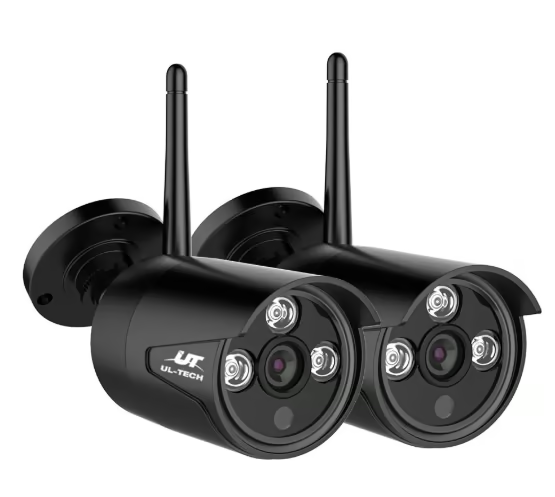
For stretching coverage along a boundary fence or driveway, this UL-Tech bullet 2-camera set is built for longer sightlines than a compact dome.
The bullet-style body is longer and narrower than a dome camera, a shape that traditionally throws infrared light further down a straight sightline such as a fence line or driveway. A 1/3 inch CMOS sensor sits behind a built-in IR-cut filter and 3.6mm fixed lens, with three arrays of infrared LEDs visible around the lens ring.
The IP66 rating is a step up from the dome set on this list, giving it a bit more margin against driving rain and dust in exposed positions. These cameras connect over RJ45 wired ethernet or WiFi, and like the other UL-Tech add-on set here, they plug into a compatible NVR rather than running as standalone WiFi cameras with their own app.
Recording uses dual-stream H.264+ (1920×1080 main stream, 640×480 sub-stream, both around 15fps) with roughly 20m of infrared night vision from the three IR arrays.
The retailer’s own page shows conflicting resolution labelling between its title tag and its heading, so this is best treated as a 3MP-class camera rather than a guaranteed exact resolution. It also needs a 3MP-capable NVR, so it will not pair with older 1MP or 2MP-only recorders.
Pros
- IP66 weatherproofing
- Dual RJ45/WiFi connectivity
- Bullet shape suits long, straight sightlines
Cons
- Not standalone, needs a 3MP-capable NVR
- Resolution labelling inconsistent on the retailer’s own page
- Dimensions not published
Key specs: Bullet-style, 1/3″ CMOS, 3.6mm lens, IP66, ~20m IR range, UL-Tech, 2-camera set.
6. Swann Xtreem4K Wire-Free 2-Pack – Best Overall
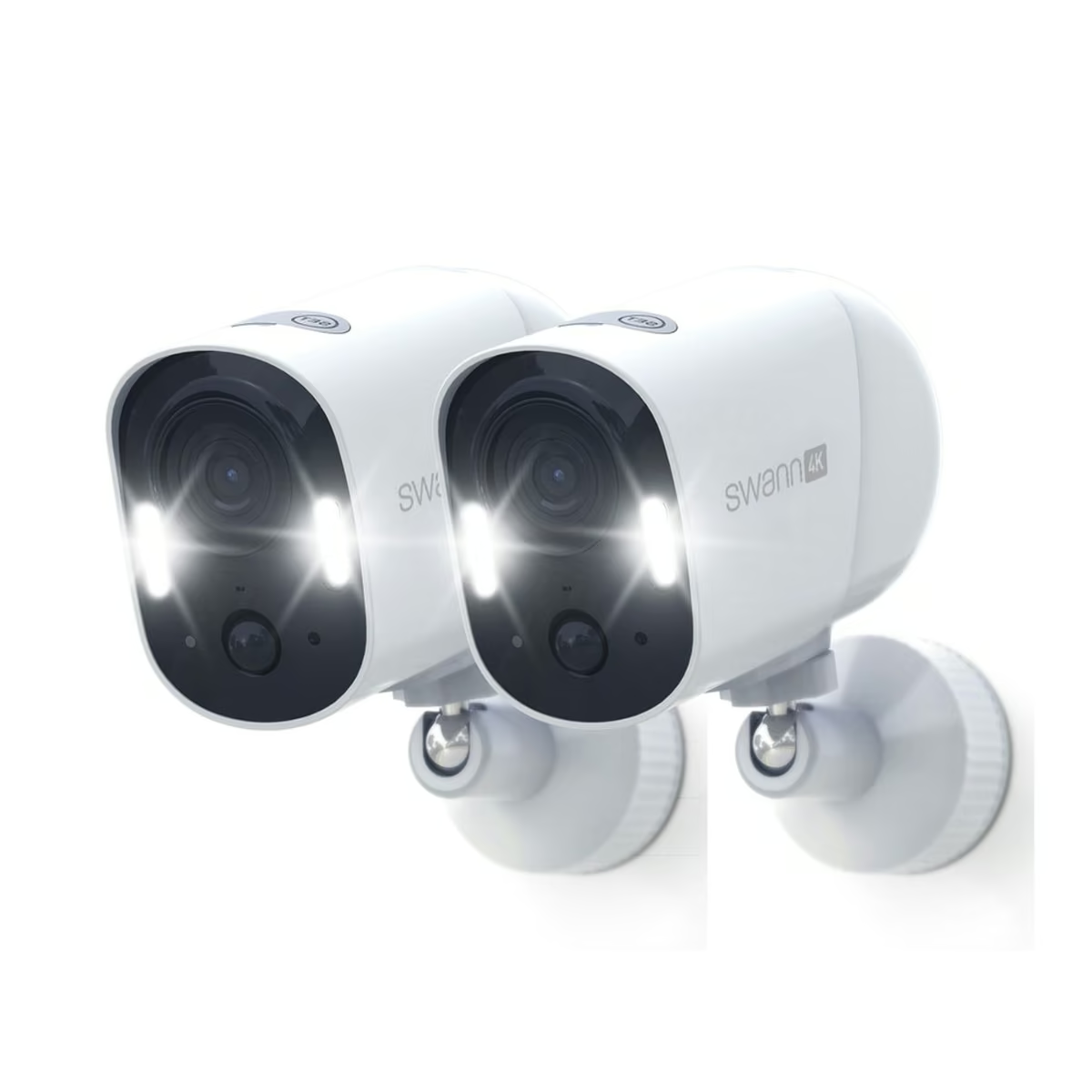
The best outdoor security camera in NZ overall is the Swann Xtreem4K 2-pack, combining genuinely sharp 4K footage with tool-free magnetic mounting and battery life rated up to four months.
Each compact camera measures 50mm wide, 70mm high and 105mm deep, weighing 324g, and attaches via a magnetic outdoor mounting stand rather than screws, so repositioning it later is simple. The housing follows Swann’s usual white weatherproof design, rated IP65 and built to run in temperatures from -10 to 50 degrees, comfortably covering a New Zealand summer or frost.
A 13,200mAh rechargeable battery is rated for roughly 120 days per charge, topped up through the included Micro-USB cable rather than solar, and a 32GB microSD card ships preinstalled, expandable to 128GB, backed by a free rolling one-day cloud clip.
The magnetic mount makes tool-free setup genuinely quick, and the Swann Security app handles live viewing, two-way talk (audio range around 5m) and alerts, though the camera only connects on 2.4GHz WiFi with a roughly 20m range, and owners of the earlier Xtreem line have reported occasional lag waking the feed from standby. Resolution runs to 4K/8MP across a 120-degree field of view, with colour night vision to roughly 10m using the built-in light and black-and-white infrared to about 15m in full darkness, plus True Detect heat-and-motion sensing to cut down false alerts.
No wall charger is included, only the USB cable, and audio can sound muffled when the camera is off its charging cradle. The 2.4GHz-only WiFi is also a step behind rivals offering 5GHz.
Pros
- True 4K/8MP image quality
- Up to 120 days per battery charge
- Magnetic, tool-free mounting
- Preinstalled 32GB microSD plus free cloud backup
- 12-month warranty
Cons
- 2.4GHz WiFi only
- No wall charger included
- Some standby wake lag reported on the wider Xtreem line
Key specs: 4K/8MP, 120° field of view, IP65, 13,200mAh battery, model SWIFI-4KXTRMPK2-GL, 2-camera pack.
7. eufy Security PoE Cam E41 – Best for eufy NVR Households
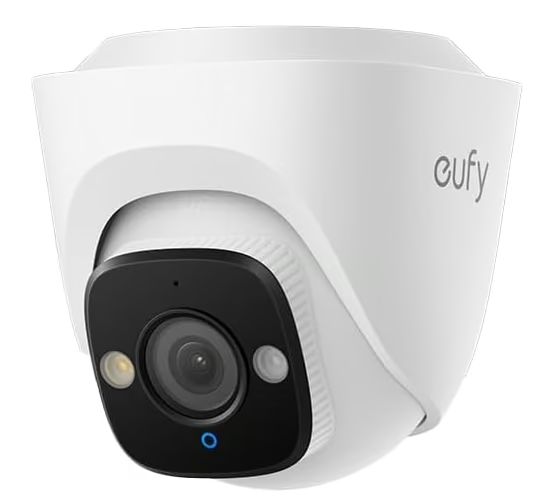
For households already running a eufy NVR, the PoE Cam E41 adds sharp 4K detection without introducing another WiFi device onto the home network.
This is a turret-style camera built specifically as an add-on unit, powered and connected entirely through a single Power over Ethernet cable rather than WiFi or a battery. The white housing is rated IP67, a step above most wireless cameras on this list, and weighs 1.15kg including its mounting hardware, built for permanent indoor or outdoor placement.
Because power and data both travel down the PoE cable, there is no battery to recharge and no WiFi signal to drop out, trading placement flexibility for a more stable connection. The eufy app pairs the camera through the household’s eufy NVR, such as the S4, and a red-and-blue strobe light plus an AI-triggered siren act as an active deterrent rather than a passive recording-only setup.
Resolution runs to 4K/8MP across a 122-degree field of view, with Starlight colour night vision that works without a spotlight, and AI detection that distinguishes people, pets and vehicles to reduce false alerts.
This camera has no standalone mode at all. It has no built-in WiFi, no SD card slot and no cloud storage of its own, so it is entirely dependent on already owning, or being willing to buy, a compatible eufy NVR. As a newer listing, no owner reviews are posted yet either.
Pros
- Sharp 4K/8MP with colour night vision
- IP67 weatherproofing
- AI human/pet/vehicle detection
- Strobe-and-siren active deterrent
- Stable, wired PoE connection
Cons
- Cannot work without a separate eufy NVR
- No owner reviews posted yet
- No battery or WiFi fallback if the cable is cut
Key specs: 4K/8MP, 122° field of view, IP67, PoE (15W), model E41, 12-month warranty.
8. MUBVIEW QB320 360-Degree Camera – Best Budget Pan-Tilt Pick
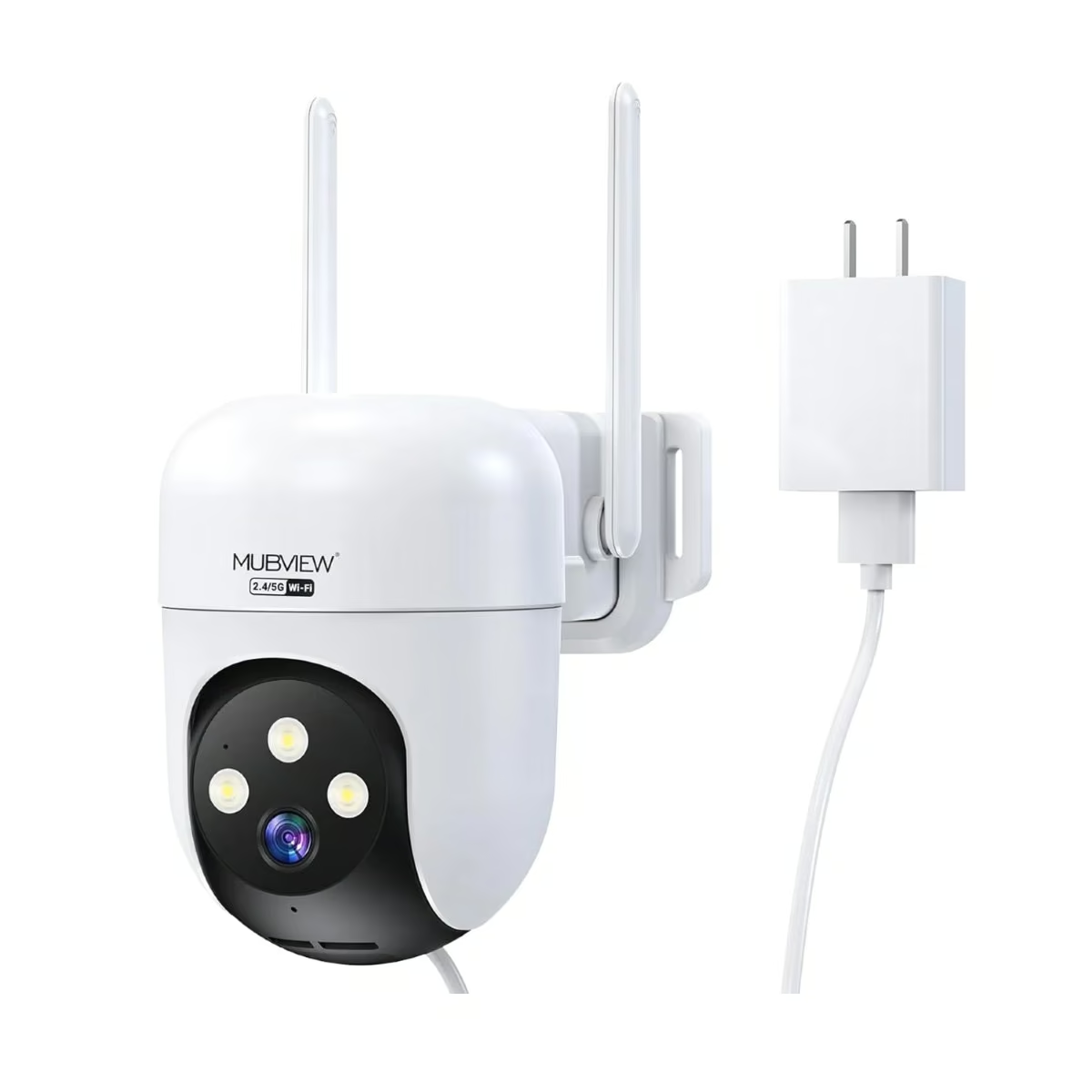
For covering one wide, busy area from a single spot, the MUBVIEW QB320 brings full 360-degree pan-and-tilt movement at a genuinely low price.
The camera head rotates through a full 360 degrees rather than sitting fixed, mounted via an included roughly 3m weatherproof power cable rather than a battery or solar panel. A compact rounded housing carries the swivel mechanism, rated IP66 for outdoor use, though the manufacturer does not publish exact dimensions or a colourway beyond photos.
Dual-band 5GHz and 2.4GHz WiFi is a genuine step up from most budget cameras that are stuck on 2.4GHz only, which can mean less congestion on a busy home network. The MUBVIEW app supports up to five people viewing the same camera at once, and AI human detection drives auto-tracking, physically panning to keep a moving person in frame rather than relying on digital zoom.
Resolution runs to 3MP/2K with colour and infrared night modes, two-way audio, and local microSD storage up to 128GB alongside an optional encrypted cloud plan.
Real owner feedback is mixed. One buyer found it easy to add alongside other cameras, but another reported the processor struggling and freezing during busy motion, such as passing traffic, even with solid home internet, and a third simply reported it not working. It also has no battery backup, so a power cut takes the camera offline entirely.
Pros
- Genuine 360-degree pan-tilt movement
- Dual-band WiFi
- AI auto-tracking
- Dual local/cloud storage options
- Low price point
Cons
- Mixed reliability reports under heavy motion
- No battery backup during power cuts
- No independent AU/NZ retailer stocks it outside Amazon
Key specs: 3MP/2K, 360° pan-tilt, dual-band WiFi, IP66, model QB320.
9. DZEES 4-Camera Security Set – Best Value for Whole-Property Coverage
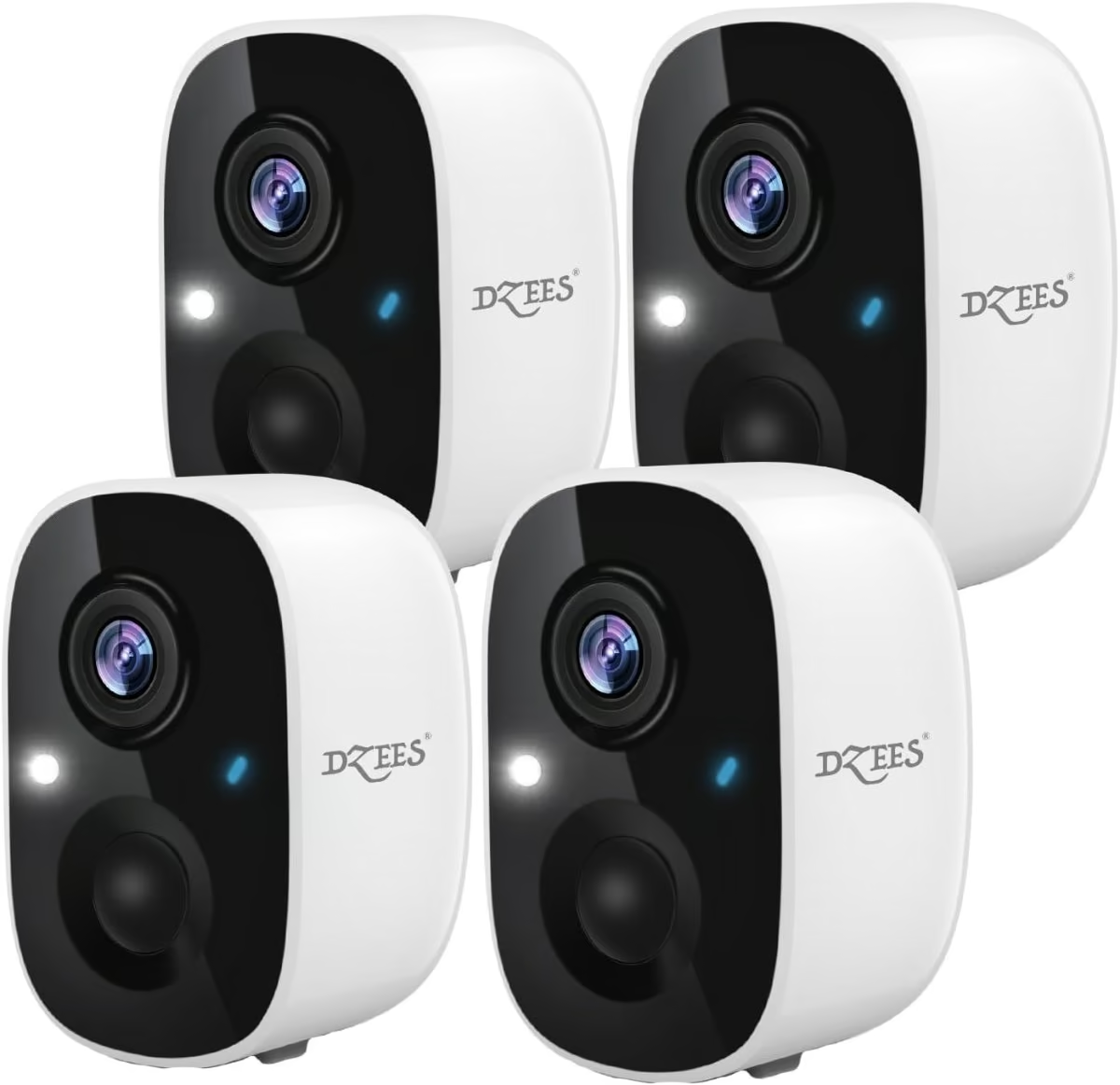
For covering a whole property, front, back and both sides, in one matching purchase, this DZEES 4-pack is the most cost-effective way onto this list to do it.
Four identical wire-free cameras ship together, each built around a spotlight-and-lens housing rather than a plain dome or bullet shape, designed to mount without running cable to any of the four positions. The metal-bodied housing carries model number CG6-F, with a built-in spotlight beside the lens and eight infrared LEDs ringing it for night detection.
A lithium battery in each camera is rated for roughly 90 days per charge depending on usage and settings, topped up via USB, with an optional solar panel sold separately for properties that want to avoid taking cameras down to recharge. Anyone stocking up on batteries for a few devices around the same property may already keep spare power banks on hand, which makes topping this camera up between charges simple.
The Dzees Home app handles live viewing across up to six cameras at once and shares access to up to eight people by QR code, and setup is pitched as a five-to-ten minute wire-free install per camera. Resolution runs to 1080p colour night vision to roughly 10m with a 124-degree field of view, PIR-plus-AI detection distinguishing people, pets and vehicles, and a 90dB siren that fires on detected motion, all over 2.4GHz-only WiFi.
The listing text is inconsistent about weatherproofing, stating IP66 in the title but IP65 in the seller’s own description, so treat it as IP65/66-rated rather than a confirmed single figure. Individual camera dimensions are not published, only the combined 4-camera package weight of 1.42kg, and no independent AU retailer currently has it in stock to cross-check.
Pros
- Four cameras in one purchase for whole-property coverage
- Spotlight plus AI detection distinguishing people, pets and vehicles
- 90dB siren
- Optional solar top-up available
Cons
- IP rating inconsistent between title and description
- Individual camera dimensions not published
- 2.4GHz WiFi only
Key specs: 1080p, 124° field of view, ~10m night vision, model CG6-F, 4-camera pack.
How to choose the right outdoor security camera for a NZ property
Start with power. Battery and solar cameras go up fastest with no wiring, and pair well with a property that already runs portable solar panels for other gear. WiFi cameras need to sit within router range, often 20-30m through walls, 4G/cellular units suit lifestyle blocks and baches with no broadband at all, and PoE or wired cameras trade an install cable for a connection that never drops out.
Check whether a camera is genuinely standalone. Several budget systems, including three of the UL-Tech sets and the eufy PoE Cam E41 on this list, are designed as add-on cameras for an existing NVR or DVR rather than working straight out of the box with their own app. That is not a flaw, but it changes what else needs to be bought.
Match the weatherproof rating to the site. IP65 handles rain and dust reasonably well under an eave, IP66 adds a bit more margin in fully exposed, driving-rain positions, and IP67 is the safest choice for anything facing salt-laden coastal air or the wetter conditions common through a Wellington or West Coast winter. Battery-powered cameras can also lose charge faster in a cold Otago or Southland frost, worth factoring in alongside the advertised battery life.
Decide on storage before checking out. A local microSD card avoids ongoing fees but is vulnerable if the camera itself is stolen, cloud storage protects footage off-site for a monthly cost, and NVR-dependent cameras record centrally to a hard drive the household already owns or buys once. Several cameras here also lean on AI detection to tell a person apart from a pet, useful for households that already use pet trackers to keep tabs on animals roaming the same property.
Finally, consider who else might end up in frame. NZ privacy law has real limits on filming a neighbour’s property, covered in the FAQs below, so it pays to angle any camera at your own section rather than straight into someone else’s windows.
For a wider aerial view of a large rural block, some owners also pair ground-level cameras with drones, though that is a separate purchase from anything on this list.
To cover the rest of the house, the guides to smart doorbells, smoke alarms and security cameras are worth a look.
Verdict
Overall, the Swann Xtreem4K 2-pack is the strongest all-round pick on this list, pairing true 4K detail with genuinely easy magnetic mounting and enough battery life to avoid constant recharging. Shoppers without home WiFi are better served by the 4G solar camera, while anyone building a wired system from scratch should start with one of the complete UL-Tech DVR kits rather than an add-on set. Households already committed to a eufy or UL-Tech NVR ecosystem can safely add the matching PoE or wireless add-on cameras here, and budget buyers wanting one camera to watch a wide area should weigh the MUBVIEW QB320’s 360-degree movement against its mixed reliability reports.
Frequently Asked Questions
What features should an outdoor security camera in NZ have?
Look for a weatherproof rating suited to the site (IP65 or higher), night vision covering the distance needed, motion detection with adjustable zones, and a power option that matches the property, whether that is mains, battery, solar or 4G. Two-way audio and app alerts are useful extras rather than essentials.
Is it legal to point a security camera at a neighbour’s property in NZ?
Generally no. NZ privacy law protects a reasonable expectation of privacy, so cameras should be angled to cover your own property rather than a neighbour’s windows, yard or entrance. Genuinely incidental footage is usually fine, but deliberately filming next door can breach the Privacy Act 2020 and lead to a complaint.
Do outdoor security cameras work without WiFi or the internet?
Yes, in a few ways. Some cameras record locally to an SD card or NVR hard drive with no internet needed at all, while 4G/cellular models like the solar camera on this list connect straight to the mobile network instead of home WiFi, useful for rural properties without broadband.
How much does cloud storage cost compared with a local SD card?
Cloud plans on cameras in this guide range from around $3 to $25 a month depending on the brand and number of cameras covered, while a microSD card is a one-off cost with no ongoing fee, though footage is lost if the camera itself is stolen or damaged.
How far can a WiFi security camera be from the router?
Most WiFi outdoor cameras, including the Swann Xtreem4K on this list, are rated for roughly 20 metres of range, less through thick walls or metal roofing. Placing a WiFi extender partway between the router and camera, or choosing a PoE or 4G model instead, solves range issues on larger sections.
How far can night vision see in the dark?
It varies by camera. Infrared black-and-white night vision on the cameras in this guide ranges from around 10 to 20 metres, while colour night vision using a built-in spotlight typically covers a shorter distance, often 10 metres or less, since it relies on visible light rather than infrared.
What IP rating do I need for NZ weather?
IP65 handles rain and dust under an eave or sheltered wall reasonably well. IP66 adds extra protection against driving rain in fully exposed spots, and IP67 suits coastal properties dealing with salt-laden air or particularly wet regions, since salt spray corrodes cheaper housings faster than plain rain does.
Should I choose a solar-powered or hardwired outdoor camera?
Solar and battery cameras install anywhere without cabling, ideal for rentals or awkward spots, but battery life drops faster in cold or heavily shaded areas. Hardwired or PoE cameras cost more to install but never need charging and hold a steadier connection, better suited to a permanent, fixed camera position.