The best budget laptop for most New Zealanders in 2026 is the Lenovo IdeaPad Slim 3, because it pairs a recent AMD Ryzen 5 chip, 8GB of memory and a fast 512GB SSD in one affordable 15.6 inch package. The right pick depends on what you do: students on a tight budget, people who want a big screen, and anyone chasing all-day battery each have a better match below.
Quick comparison
| Laptop | Best for | Screen | Processor | RAM / Storage |
|---|---|---|---|---|
| Lenovo IdeaPad Slim 3 | Best overall value | 15.6″ FHD IPS | Ryzen 5 7520U | 8GB / 512GB SSD |
| HP 14 Micro-Edge | Cheapest first laptop | 14″ HD | Intel N4120 | 4GB / 128GB + card |
| Dell Latitude 3410 | Best business build | 14″ FHD IPS | Core i7-10510U | 8GB / 256GB SSD |
| Dell Inspiron 15 3535 | Best 120Hz screen | 15.6″ FHD 120Hz | Ryzen 5 7520U | 8GB / 512GB SSD |
| HP 15.6 Touchscreen | Most storage | 15.6″ HD touch | Core i5-1135G7 | 12GB / 1TB HDD |
| ASUS Vivobook Go 14 | Lightest to carry | 14″ FHD | Pentium N6000 | 4GB / 64GB eMMC |
| Microsoft Surface Laptop 4 | Best screen + finish | 13.5″ PixelSense touch | Core i5-1135G7 | 8GB / 512GB SSD |
| Acer Aspire Go 15 | Best battery life | 15.6″ FHD IPS | Ryzen 3 7320U | 8GB / 128GB SSD |
| MOMENTPLUS 16 | Biggest screen + RAM | 16″ FHD 1920×1200 | Intel N95 | 16GB / 512GB SSD |
1. Lenovo IdeaPad Slim 3 Laptop
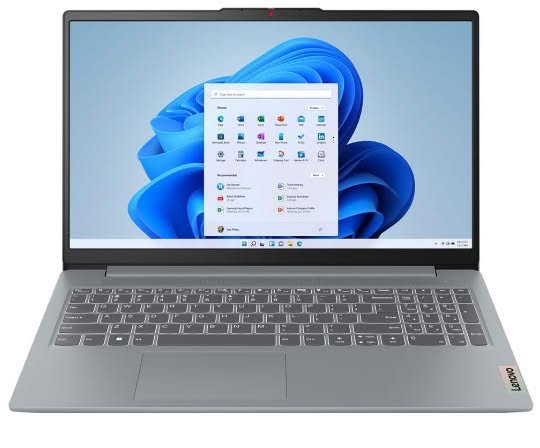
Best for: the shopper who wants the most balanced everyday laptop without overspending.
This is the pick to beat at the budget end of the market. The IdeaPad Slim 3 15AMN8 runs a four-core AMD Ryzen 5 7520U with 8GB of LPDDR5 memory and a 512GB SSD, so Windows 11 Home feels responsive for browsing, Office, email and video calls rather than the sluggish crawl you get from cheaper eMMC machines.
The 15.6 inch chassis is a normal full-size footprint at roughly 360 x 235 x 18mm and about 1.6kg, finished in a plain Arctic Grey plastic that looks tidy rather than flashy. Owners rate the 300-nit FHD IPS panel as clear and bright enough for indoor work, and the backlit keyboard with number pad plus a fingerprint reader are welcome at this price.
The honest catch is the memory. 8GB is soldered LPDDR5, so it is not upgradeable later; heavy multitaskers with dozens of browser tabs will feel the ceiling. Battery life from the 47Wh cell is middling at around 6 hours of real use, so it is a desk-and-occasional-outings laptop, not an all-day roamer.
Pros:
- Recent Ryzen 5 chip and fast 512GB SSD for the money
- Bright FHD IPS screen, backlit keyboard, fingerprint reader
- Wi-Fi 6 and USB-C for future-proofing
Cons:
- 8GB memory is soldered and cannot be upgraded
- Only average battery life
- Plastic build, no premium feel
Key specs: Model 82XQ00VCAU. AMD Ryzen 5 7520U, 8GB LPDDR5, 512GB SSD, 15.6″ FHD IPS 300 nits, Wi-Fi 6, Windows 11 Home, Arctic Grey.
If you spend most of your day in a browser and Google apps, it is worth weighing this against a Chromebook, which can be even cheaper for pure web use.
2. HP 14 Micro-Edge Laptop
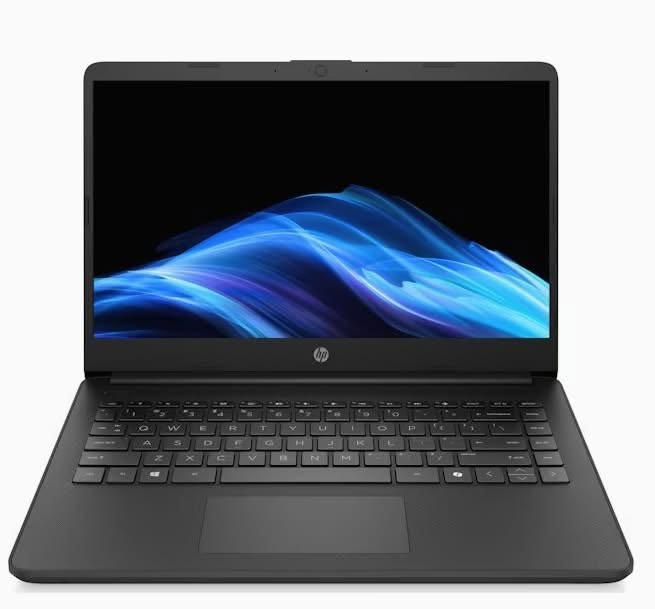
Best for: a first laptop, a spare, or a child who only needs the web and homework.
The cheapest way onto this list, the HP 14 Micro-Edge is built for light duty only. Its Intel N4120 is an entry Celeron-class chip with 4GB of RAM, so it handles one or two browser tabs, Google Docs and streaming, but stutters the moment you push it.
Storage is the quirk buyers must understand: the headline 192GB is 128GB of onboard eMMC plus a 64GB card, not a single fast drive. eMMC is slower than an SSD and, being soldered, cannot be upgraded. The 14 inch HD (1366 x 768) micro-edge panel is fine for its size but low resolution by 2026 standards.
It ships in Windows 11 in S Mode, which only runs apps from the Microsoft Store. Reviewers note that is genuinely safer and faster for a student device, but you can switch S Mode off for free if you need software from outside the Store (the switch is one-way). At about 1.4kg it is easy to carry, and owners report the battery comfortably clears a school day.
Pros:
- Lowest entry price of any pick here
- Light and easy to carry for a 14 inch machine
- S Mode adds safety for a child or student device
Cons:
- Only 4GB RAM: slows down with multitasking
- eMMC storage plus a card is slower than an SSD
- Low 1366 x 768 screen resolution
Key specs: Intel Celeron N4120, 4GB DDR4, 128GB eMMC + 64GB card (192GB total), 14″ HD micro-edge, Windows 11 Home in S Mode.
3. Dell Latitude 3410 Laptop
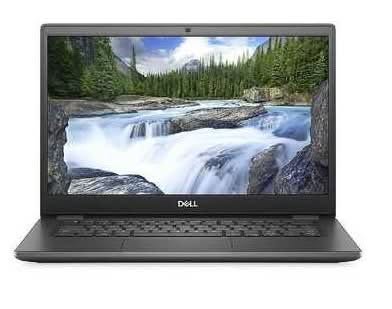
Best for: the buyer who wants proper business-grade build and ports over the latest chip.
The Latitude 3410 is a refurbished business notebook, and that is exactly its appeal. It carries a 10th-gen Intel Core i7-10510U, 8GB of DDR4 and a 256GB SSD, plus a full port set including HDMI and a genuine RJ-45 Ethernet jack that most cheap laptops have dropped.
The 14 inch FHD IPS panel is a step up in sharpness from the budget HD screens elsewhere on this list, and the chassis is sturdier than consumer plastic, with the serviceable, business-first design Dell’s commercial line is known for. It runs Windows 11 Pro, so it suits people who need BitLocker or to join a work domain.
Because it is an older, likely refurbished unit, temper expectations. The i7-10510U is a 2019-era part that trails the newer Ryzen chips here in efficiency, battery life varies with the age of the cell, and cosmetic wear is normal on refurbished stock. As a workhorse for documents, email and web apps, though, it holds up well.
Pros:
- Business-grade build with HDMI and Ethernet
- Sharp 14″ FHD IPS display
- Windows 11 Pro with business security features
Cons:
- Older 2019-era processor
- Refurbished stock: expect some cosmetic wear
- Battery condition varies by unit
Key specs: Dell Latitude 3410. Intel Core i7-10510U, 8GB DDR4, 256GB SSD, 14″ FHD IPS, HDMI + RJ-45, Windows 11 Pro.
4. Dell Inspiron 15 3535
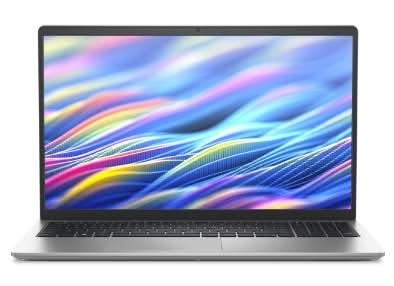
Best for: anyone who wants a smoother, faster-feeling screen for scrolling and video.
The Inspiron 15 3535 shares the Lenovo’s Ryzen 5 7520U, 8GB of LPDDR5 and 512GB SSD, but adds one thing the others lack at this price: a 120Hz FHD screen. That doubled refresh rate makes scrolling, cursor movement and video noticeably smoother, which is the main reason to choose it.
It is a full 15.6 inch laptop weighing around 1.6 to 1.9kg, in a plain dark finish with a 250-nit anti-glare panel that resists reflections better than glossy budget screens. The keyboard is comfortable for long typing sessions, and Wi-Fi is on board along with USB-C, USB-A, HDMI and an SD card slot.
The trade-offs mirror the Lenovo: 8GB of soldered memory with no upgrade path, and a modest 41Wh battery that the 120Hz panel drains faster, so expect to keep the charger nearby. It is confirmed as a current model on Dell Australia and ships to New Zealand through the usual channels.
Pros:
- 120Hz screen is smoother than any other pick here
- Recent Ryzen 5 with fast 512GB SSD
- Anti-glare panel and full port selection
Cons:
- 8GB memory is soldered, not upgradeable
- 120Hz shortens battery life
- Only 250 nits, so-so outdoors
Key specs: Dell Inspiron 15 3535. AMD Ryzen 5 7520U, 8GB LPDDR5, 512GB SSD, 15.6″ FHD 120Hz anti-glare, Windows 11 Home.
A 120Hz laptop screen pairs nicely with a desk setup; if you work at home a lot, adding one of the best computer monitors gives you far more room than any 15 inch panel.
5. HP 15.6 Touchscreen
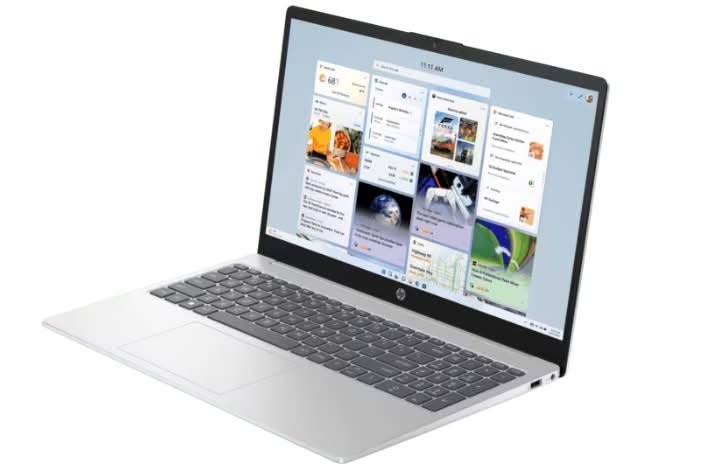
Best for: the buyer who wants a touchscreen and lots of cheap storage in one machine.
This HP stands out for two reasons: a 15.6 inch touchscreen and a huge 1TB of storage. It runs the capable 11th-gen Intel Core i5-1135G7 with Intel Iris Xe graphics and a generous 12GB of RAM, which is more memory than most picks here and helps with heavier multitasking.
The i5-1135G7 is a genuinely strong everyday chip, handling photo edits and lots of tabs without complaint, and the touchscreen is handy for tapping through documents and web pages. The backlit keyboard with number pad and a full port set round it out as a practical home laptop.
Two honest caveats. The 1TB is a 5400rpm mechanical hard drive, which is roomy but far slower than an SSD, so boot and load times lag unless the listing also includes a small SSD for Windows; check the exact configuration before buying. The touch panel is also HD (1366 x 768) rather than full HD, so it looks softer than the sharper screens above.
Pros:
- Strong 11th-gen Core i5 with Iris Xe graphics
- 12GB RAM, more than most rivals here
- Touchscreen plus a roomy 1TB drive
Cons:
- 1TB drive is a slow 5400rpm HDD, not an SSD
- Screen is only 1366 x 768 HD
- Heavier and thicker than ultraportable picks
Key specs: HP 15.6″ Touchscreen. Intel Core i5-1135G7, 12GB DDR4-2666, 1TB 5400rpm HDD, 15.6″ HD touch, Iris Xe, backlit keyboard.
6. ASUS Vivobook Go 14
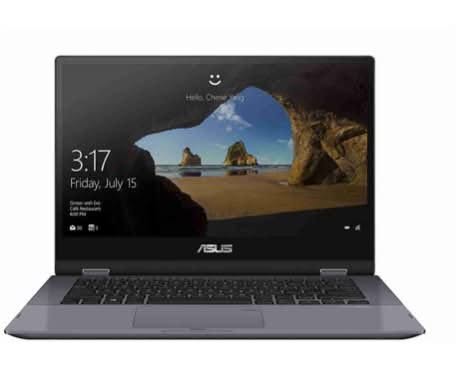
Best for: students who want the lightest, most portable machine for notes and browsing.
The Vivobook Go 14 (E410KA) is the featherweight of the group at roughly 1.3kg with a fanless, silent design. It runs an Intel Pentium Silver N6000 with 4GB of RAM, so like the HP 14 it is a light-tasks laptop for notes, web and streaming rather than real multitasking.
Where it scores is the screen and battery. Unlike most cheap 14 inch laptops it has a full HD (1920 x 1080) panel, which is sharper than the HD screens on similarly priced rivals, and owners report up to around 12 hours of light use. The bundle here totals 224GB by adding a 160GB docking-station drive to the small 64GB of onboard eMMC.
The compromises are the same budget story: 4GB of RAM and slow eMMC mean it is happiest with a handful of tasks, and the base storage fills quickly, so you will lean on the docking drive or cloud. It is a confirmed current ASUS model in Australia and New Zealand.
Pros:
- Very light and completely silent (fanless)
- Full HD screen, sharper than most budget rivals
- Long battery life for study days
Cons:
- 4GB RAM limits multitasking
- Small 64GB eMMC base storage
- Relies on the bundled docking drive for space
Key specs: ASUS Vivobook Go 14 E410KA. Intel Pentium Silver N6000, 4GB LPDDR4X, 64GB eMMC + 160GB dock (224GB), 14″ FHD, Windows 11.
If portability is your top priority, also consider whether a tablet fits your needs: our roundup of the best tablets covers lighter options for reading and browsing on the go.
7. Microsoft Surface Laptop 4
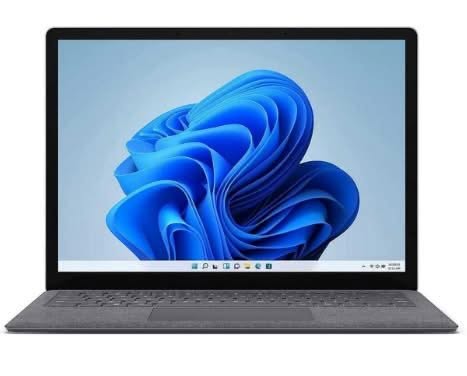
Best for: the buyer who cares most about screen quality and a premium feel.
The Surface Laptop 4 is the classiest machine here. This 13.5 inch model runs an 11th-gen Intel Core i5-1135G7 with 8GB of memory and a 512GB SSD, and it is usually sold refurbished, which is how a premium Microsoft laptop lands in budget territory.
Its stand-out is the 13.5 inch PixelSense touchscreen, a tall 3:2 panel at a sharp 2256 x 1504 that shows more of a document or web page than a normal widescreen, wrapped in a genuinely premium aluminium body. Owners consistently praise the display, the comfortable keyboard and the quoted battery life of up to around 11 hours, well ahead of most picks here.
The catches are ports and value. There is only one USB-C, one USB-A and the Surface Connect charger, so you may need a hub, and as a refurbished unit condition varies. It also has the least storage headroom among the SSD models at 512GB, but for a portable, beautiful everyday laptop it is hard to fault.
Pros:
- Excellent 3:2 PixelSense touchscreen
- Premium aluminium build and comfortable keyboard
- Strong real-world battery life
Cons:
- Very limited ports (one USB-C, one USB-A)
- Refurbished stock: condition varies
- Least room to grow on storage among SSD picks
Key specs: Microsoft Surface Laptop 4 13.5″. Intel Core i5-1135G7, 8GB LPDDR4X, 512GB SSD, 13.5″ PixelSense touch 2256×1504, Windows 11.
8. Acer Aspire Go 15
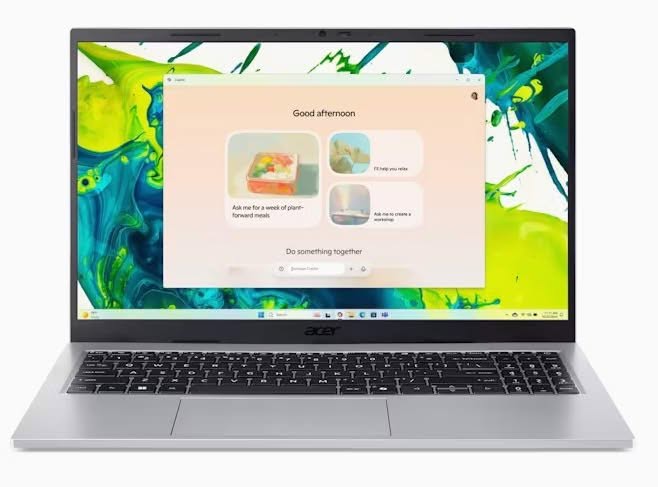
Best for: the buyer who wants the longest battery life on a tight budget.
The Aspire Go 15 (AG15) is the endurance pick. Its AMD Ryzen 3 7320U is paired with a healthy 8GB of LPDDR5 memory and a small but fast 128GB SSD, and independent reviewers measured battery life in the region of 11 hours, among the best here.
For a cheap laptop it gets the basics right: a 15.6 inch full HD IPS ComfyView matte screen that is sharper and less reflective than the HD panels on rival budget machines, Wi-Fi 6, and a normal full-size layout at around 1.8kg. The 8GB of RAM also gives it more multitasking headroom than the 4GB HP and ASUS picks.
The obvious limit is storage: 128GB fills fast once Windows and a few apps are installed, so it suits cloud-first users or anyone happy to add an external drive. It ships in Windows 11 in S Mode, which you can turn off for free if you need software from outside the Microsoft Store.
Pros:
- Long battery life, around 11 hours
- 8GB RAM: more headroom than 4GB budget rivals
- Sharp full HD IPS matte screen and Wi-Fi 6
Cons:
- Only 128GB of storage
- Ryzen 3 is entry-level, not for heavy work
- Ships in S Mode (free to switch off)
Key specs: Acer Aspire Go 15 AG15. AMD Ryzen 3 7320U, 8GB LPDDR5, 128GB PCIe SSD, 15.6″ FHD IPS, Wi-Fi 6, Windows 11 Home in S Mode.
A 128GB laptop leans on the cloud and accessories; a compact power bank can also keep a light laptop topped up away from a wall socket.
9. MOMENTPLUS 16
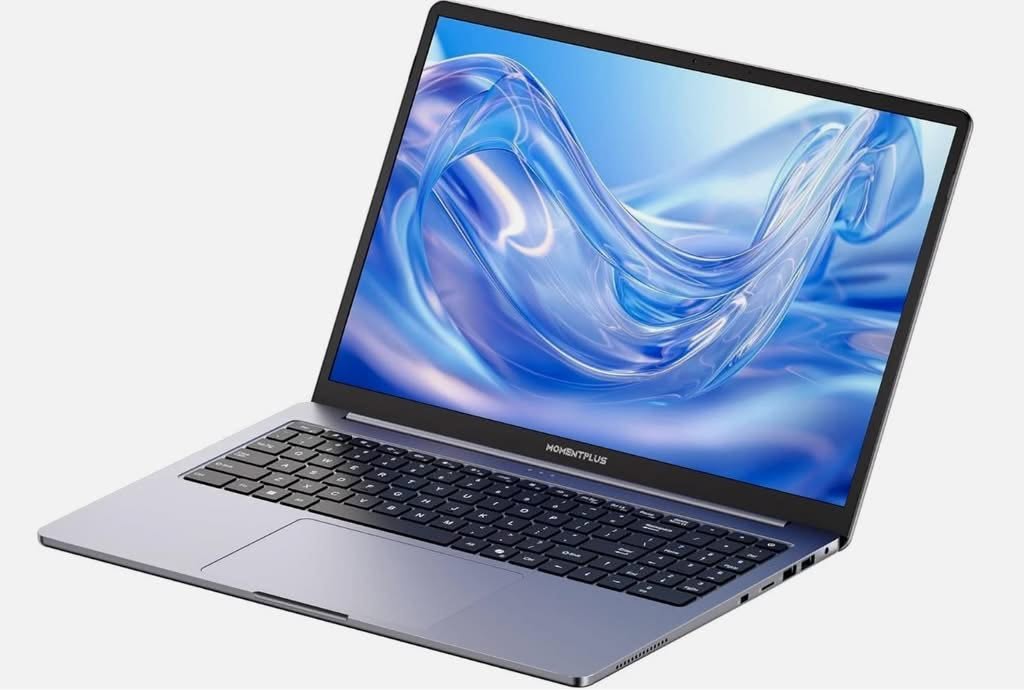
Best for: the buyer who wants the biggest screen and the most memory for the least money.
If screen size and memory matter most, the MOMENTPLUS 16 delivers both cheaply: a large 16 inch full HD (1920 x 1200) display and a generous 16GB of DDR4 RAM, the most memory of any pick here, backed by a fast 512GB NVMe SSD.
The tall 1920 x 1200 panel gives extra vertical space for documents and spreadsheets, and 16GB of RAM means it multitasks more comfortably than the 4GB and 8GB machines above. The Intel N95 is a modern Alder Lake budget chip, quick enough for office work, browsing and video, and the SSD keeps Windows feeling snappy. A backlit keyboard is included, and at about 1.7kg it stays reasonably portable for a 16 inch laptop.
The honest picture: the N95 is an efficiency chip, not a performance one, so it is fine for everyday tasks but not photo-heavy or demanding work, and it uses older Wi-Fi 5 rather than Wi-Fi 6. MOMENTPLUS is also a lesser-known brand, so support and long-term reliability are less certain than with Lenovo, Dell, HP, ASUS, Acer or Microsoft. Confirm the exact configuration and warranty before buying.
Pros:
- Big 16″ 1920×1200 screen with extra vertical space
- 16GB RAM, the most of any pick here
- Fast 512GB NVMe SSD and a backlit keyboard
Cons:
- N95 is a budget efficiency chip, not for heavy work
- Older Wi-Fi 5, not Wi-Fi 6
- Lesser-known brand: less certain support and warranty
Key specs: MOMENTPLUS 16 (VIE16). Intel N95, 16GB DDR4, 512GB NVMe SSD, 16″ FHD 1920×1200, backlit keyboard, Wi-Fi 5, Windows 11.
How we chose Laptop
This is a research-based buying guide, and a hands-on review. To rank them we compared each model’s official manufacturer specifications, cross-checked availability and configuration against New Zealand and Australian retailer listings and the manufacturers’ own sites, and read verified owner reviews and independent measurements (for example battery-life testing by review labs) to sanity-check the real-world claims.
We prioritised what matters most on a budget: a modern processor, a fast SSD where possible, screen quality, memory headroom, battery life and honest value. Where a pick has a real weakness, such as slow eMMC storage, a spinning hard drive, only 4GB of RAM or a lesser-known brand, we flag it plainly. Prices change constantly and Amazon does not allow us to quote them, so we leave price out and focus on what each laptop is genuinely good for.
The verdict
For most New Zealand shoppers the Lenovo IdeaPad Slim 3 is the best all-round budget laptop, thanks to its recent Ryzen 5 chip, 8GB of memory and fast 512GB SSD. Choose the Dell Inspiron 15 3535 for the smoother 120Hz screen, the Acer Aspire Go 15 for the longest battery life, or the Microsoft Surface Laptop 4 if screen quality and a premium feel matter more than ports. On the tightest budgets the HP 14 and ASUS Vivobook Go 14 cover light study and browsing, while the MOMENTPLUS 16 gives you the biggest screen and the most RAM for the money. Whichever you pick, confirm the exact model and configuration on the listing first.
A fast machine on a slow connection still feels slow, and in most homes the bottleneck is an aging ISP box rather than the laptop, which is where better wifi routers earn their money.
Frequently Asked Questions
How much RAM do I need in a laptop?
For basic browsing, email and Office, 8GB is the sensible minimum in 2026 and keeps Windows 11 smooth. 4GB still works for very light use and one or two tabs, but it slows quickly. If you multitask heavily or edit photos, aim for 16GB, like the MOMENTPLUS pick above.
Is eMMC storage as good as an SSD?
No. eMMC is a cheaper, slower type of flash storage, with read speeds around 200 to 300 MB/s versus 500 MB/s or more for an SSD. It is fine for light, cloud-first use, but feels sluggish with large apps and, being soldered, cannot be upgraded later. Prefer an SSD where you can.
Is Windows 11 in S Mode good enough?
For a student or child device, often yes. S Mode only runs verified Microsoft Store apps, which makes it safer and faster on modest hardware. If you need software from outside the Store, you can switch S Mode off once, for free, but you cannot turn it back on. Several picks here ship in S Mode.
How much should I spend on a laptop in New Zealand?
For everyday tasks like web, Office and streaming, a well-chosen budget laptop is enough and you do not need to overspend. Look for a modern processor, 8GB of RAM and an SSD rather than chasing the cheapest sticker. Paying a little more for an SSD over eMMC is usually the best-value upgrade.
Do these laptops ship to New Zealand?
Many of these models are listed on Amazon Australia, which ships eligible orders to New Zealand free once the order clears its minimum spend, so most laptops here qualify. Always confirm the model code, exact configuration and shipping details on the listing before ordering, as availability changes often.
Is 8GB of RAM enough in 2026?
For most people, yes. 8GB comfortably handles browsing, Office, video calls and streaming, which covers the Lenovo, Dell, Surface and Acer picks here. The limit shows with dozens of tabs or photo and video editing, where 16GB is worth it. On several picks the 8GB is soldered and cannot be upgraded.
