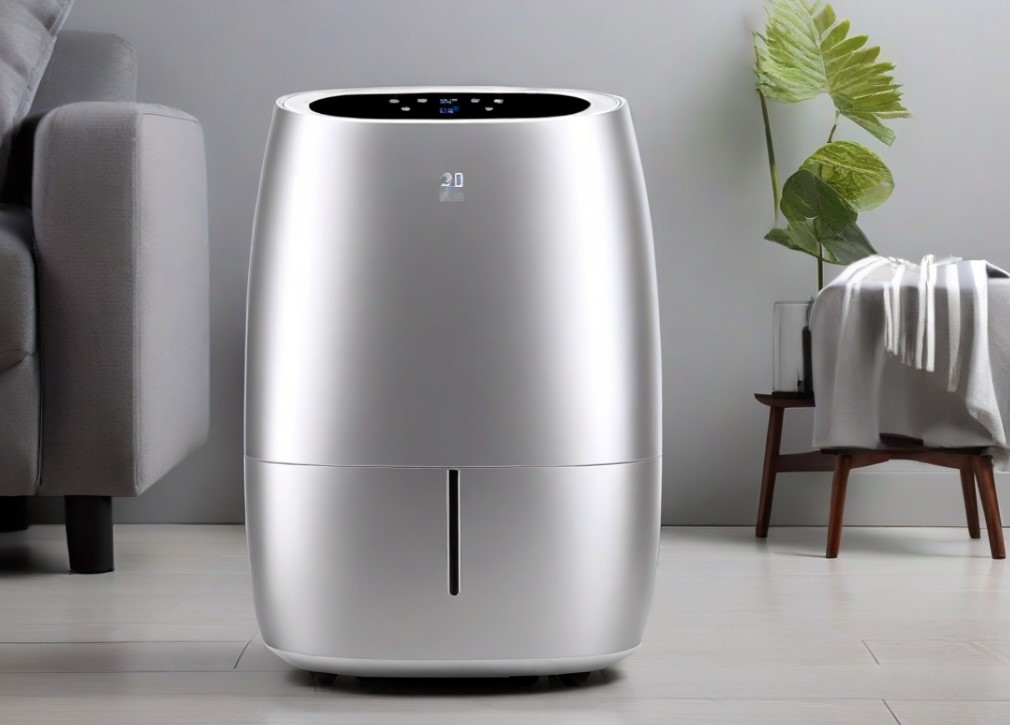
The best dehumidifier in NZ for most homes is the Breville Smart Dry Connect, thanks to its app and voice control, automatic humidity sensing and continuous drainage in one tidy unit. For serious whole-home damp or cold-room drying, an Ionmax or Ausclimate desiccant model, or the Devanti 20L below, is the stronger pick.
New Zealand’s damp climate makes excess household moisture an ongoing battle — from mould and mildew to stuffiness and musty odours, high humidity causes real problems. A dehumidifier draws in moist air, condenses the moisture out, and returns drier air to the room, helping regulate humidity for a healthier, more comfortable home. Damp homes also battle window condensation, which a window vacuum clears fast — see the best window vacuums.
Below are 11 dehumidifiers readily available to Kiwi households, from compact units for apartments to high-capacity models for damp basements and whole floors. Each entry covers what it is like to actually live with, who it suits, and where to buy it.
| Dehumidifier | Best For | Price |
|---|---|---|
| 1. Breville the Smart Dry Connect Dehumidifier | Best Overall App-Connected Dehumidifier | Check Price |
| 2. Ionmax Vienne ION630 | Best Desiccant Dehumidifier for Cold Rooms | Check Price |
| 3. Ausclimate Cool-Seasons 10L Smart Desiccant Dehumidifier | Best Smart Dehumidifier for Large Rooms | Check Price |
| 4. Breville the All Climate 2-in-1 Dehumidifier & Purifier | Best 2-in-1 Dehumidifier & Air Purifier | Check Price |
| 5. Breville the Re-Fresha Mini Dehumidifier Kit | Best for Wardrobes & Closets | Check Price |
| 6. Advwin 2-in-1 Dehumidifier & Air Purifier | Best Budget 2-in-1 for Bedrooms | Check Price |
| 7. Afloia 2-in-1 Dehumidifier & Air Purifier | Best Compact 2-in-1 with HEPA Filter | Check Price |
| 8. Hysure 2000ml Dehumidifier | Best Value Compact Dehumidifier | Check Price |
| 9. Midea FreshDry Dehumidifier (MDDQ12) | Best HEPA + Wi-Fi Dehumidifier | See below |
| 10. Devanti 20L Dehumidifier | Best for Whole-Home Damp & Winter Laundry | See below |
| 11. Midea 20L/Day Dehumidifier (MDDF20) | Best for Medium Rooms & Damp Bedrooms | See below |
How to Choose the Best Dehumidifier for You
When it comes to the best dehumidifiers, there are some things you will need to consider before picking a new one. Below are the points to think about before buying.
How Much Moisture Removal Do You Need?
For a mildly damp room up to 50 m² aim for 8 to 12 L/day; for moderately damp spaces 14 to 18 L/day; and for very damp rooms or whole floors 20 to 50 L/day. Size up if you dry laundry indoors or have a large household.
Compressor or Desiccant?
Compressor dehumidifiers, like the Devanti and Midea models here, work best in warmer, more humid rooms. Desiccant models, like the Ionmax and Ausclimate picks, keep working just as well in cold rooms and garages where a compressor loses efficiency.
Do You Want Smart or App Control?
Wi-Fi models like the Breville Smart Dry Connect and Ausclimate ACD200 let you schedule cycles and monitor humidity from your phone, and some work with Alexa or Google Assistant. This is handy if you want to start drying before you get home, but is not essential for basic damp control.
Do You Need Air Purification Too?
Several models here double as air purifiers with HEPA filters, which is worth considering for allergy-prone households or if you want to tackle dust alongside damp, rather than buying two separate appliances.
The Best Dehumidifiers in NZ — reviewed
1. Breville the Smart Dehumidifier – Best Overall App-Connected Dehumidifier
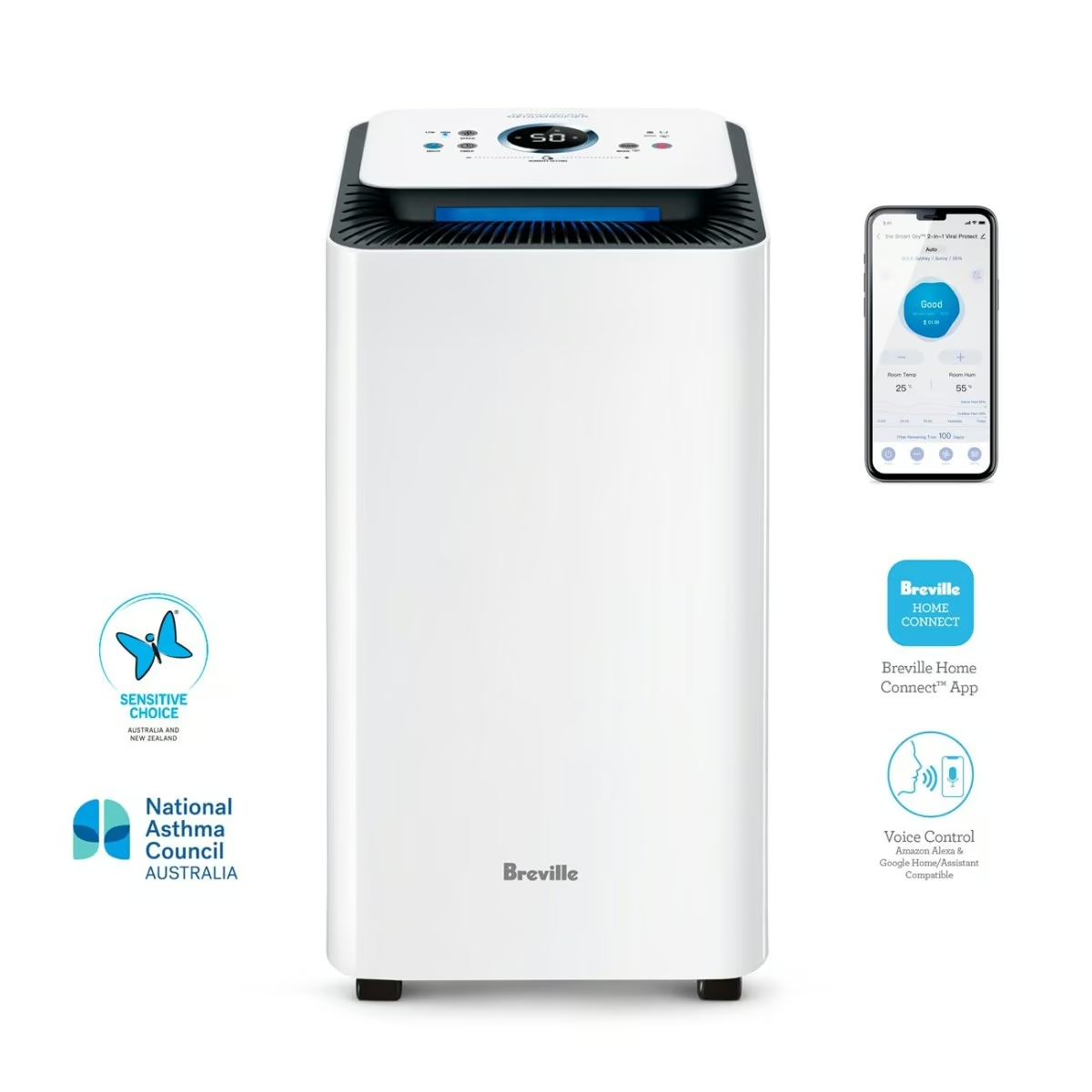
The Breville Smart Dry Connect (model LAD208WHT) is a compact, plastic-bodied unit measuring 25 x 25 x 46cm, designed for smaller spaces rather than whole-house use. It ships with a 1m continuous drainage hose for set-and-forget operation without manual tank emptying.
Its standout feature is full Wi-Fi connectivity through the Breville Home Connect app, allowing humidity monitoring and control from a phone anywhere, alongside compatibility with Amazon Alexa and Google Home. The built-in Sensair System provides Live Humidity Control that automatically maintains a set comfort range, and a colour-changing humidity indicator gives an at-a-glance readout between 30 and 80 percent. A dedicated Laundry Mode helps dry hanging clothes faster, and a two-stage filter targets dust, pet dander and odours.
This model suits buyers prioritising smart-home integration and app control in a single room, given its recommended coverage of up to 30 square metres. Breville’s own product page does not publish exact extraction-rate or tank-capacity figures, so buyers wanting those numbers should confirm via retailer listings before purchase.
Pros
- Full app control via Breville Home Connect, plus Alexa/Google Assistant voice support
- Live Humidity Control (Sensair System) automatically maintains chosen comfort range
- Laundry Mode and continuous drainage hose add everyday versatility
Cons
- Recommended coverage capped at 30m², small relative to some competitors
- Breville’s own product page does not publish exact tank capacity or L/day extraction figures
Key specs: Coverage area: up to 30m² (recommended) · Dimensions: 25 x 25 x 46cm · Smart features: Breville Home Connect app, Alexa, Google Home · Sensair System Live Humidity Control, colour-changing indicator (30-80% RH) · Laundry Mode, 2-stage filtration, 1m continuous drainage hose included
2. Ionmax Vienne ION630 – Best Desiccant Dehumidifier for Cold Rooms
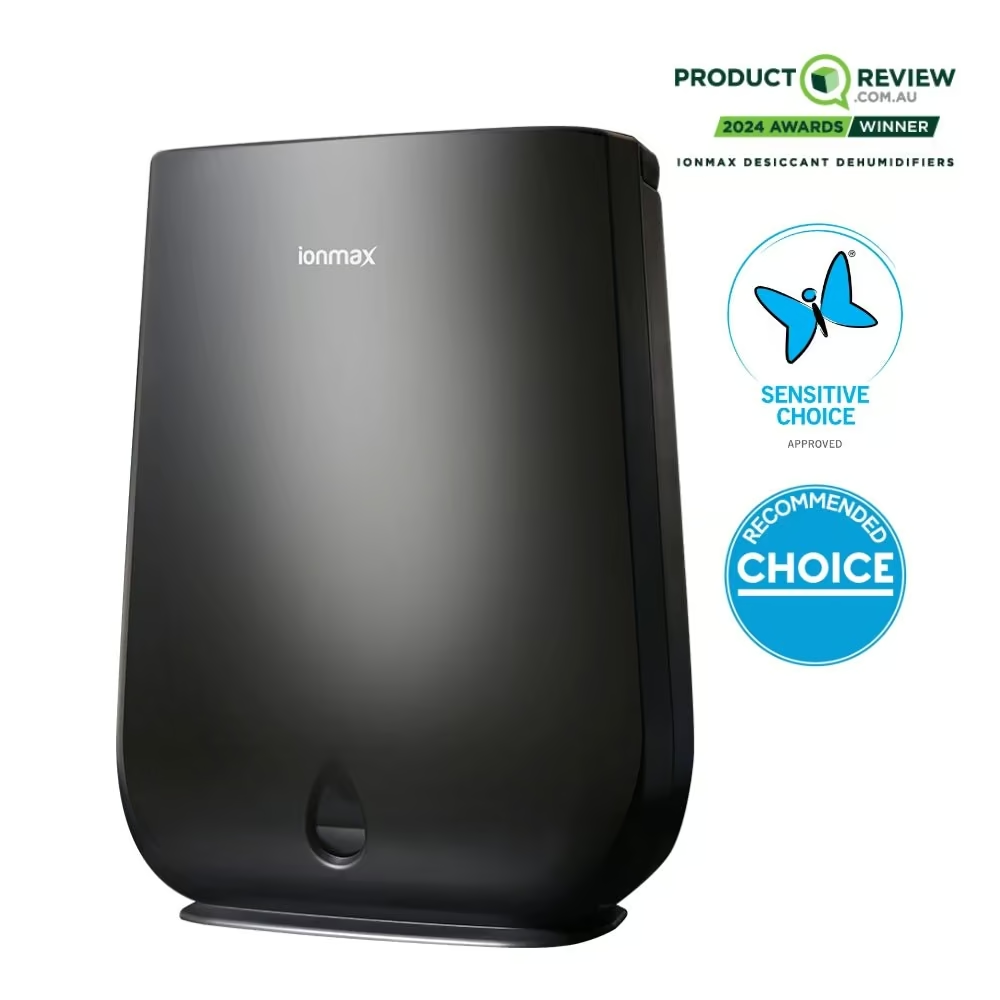
The Ionmax Vienne ION630 is a 10 litre per day desiccant dehumidifier built around a self-regenerating zeolite core, so there is no compressor to service and no filter media to replace over the unit’s life. At 520 x 379 x 239mm and 7.5kg, it is a solidly built benchtop-style unit with a 4.2 litre tank and a continuous drainage hose option for set-and-forget laundry use.
Ionmax rates it for rooms up to 42 square metres, with four operating modes (Auto, Low, High and Laundry/Continuous) and a digital humidistat that holds relative humidity between 40 and 60 percent in 5 percent steps. Noise runs from 35dB on Low up to 46dB on High, and a built-in antibacterial silver nano filter plus negative ioniser add a basic air-quality element on top of moisture removal.
This model has picked up a CHOICE recommendation and Sensitive Choice approval, which matters to asthma and allergy households in damp NZ homes over winter. It suits bedrooms, living areas, bathrooms and laundries rather than large open-plan spaces, and its desiccant technology keeps performing at low temperatures where compressor dehumidifiers typically lose efficiency.
Pros
- Self-regenerating zeolite desiccant means no filter replacement for moisture removal
- CHOICE recommended and Sensitive Choice approved for allergy sufferers
- Performs consistently in cold NZ winter temperatures, unlike compressor units
Cons
- 42 square metre coverage is modest for larger open-plan living areas
- 46dB on High setting is noticeable in quiet rooms overnight
Key specs: Moisture removal: up to 10L per day · Water tank: 4.2L, with continuous drainage hose option · Coverage: up to 42m² · Noise: 35dB (Low) to 46dB (High) · Dimensions/weight: 520 x 379 x 239mm, 7.5kg; power 420-740W
3. Ausclimate Smart Desiccant Dehumidifier – Best Smart Dehumidifier for Large Rooms
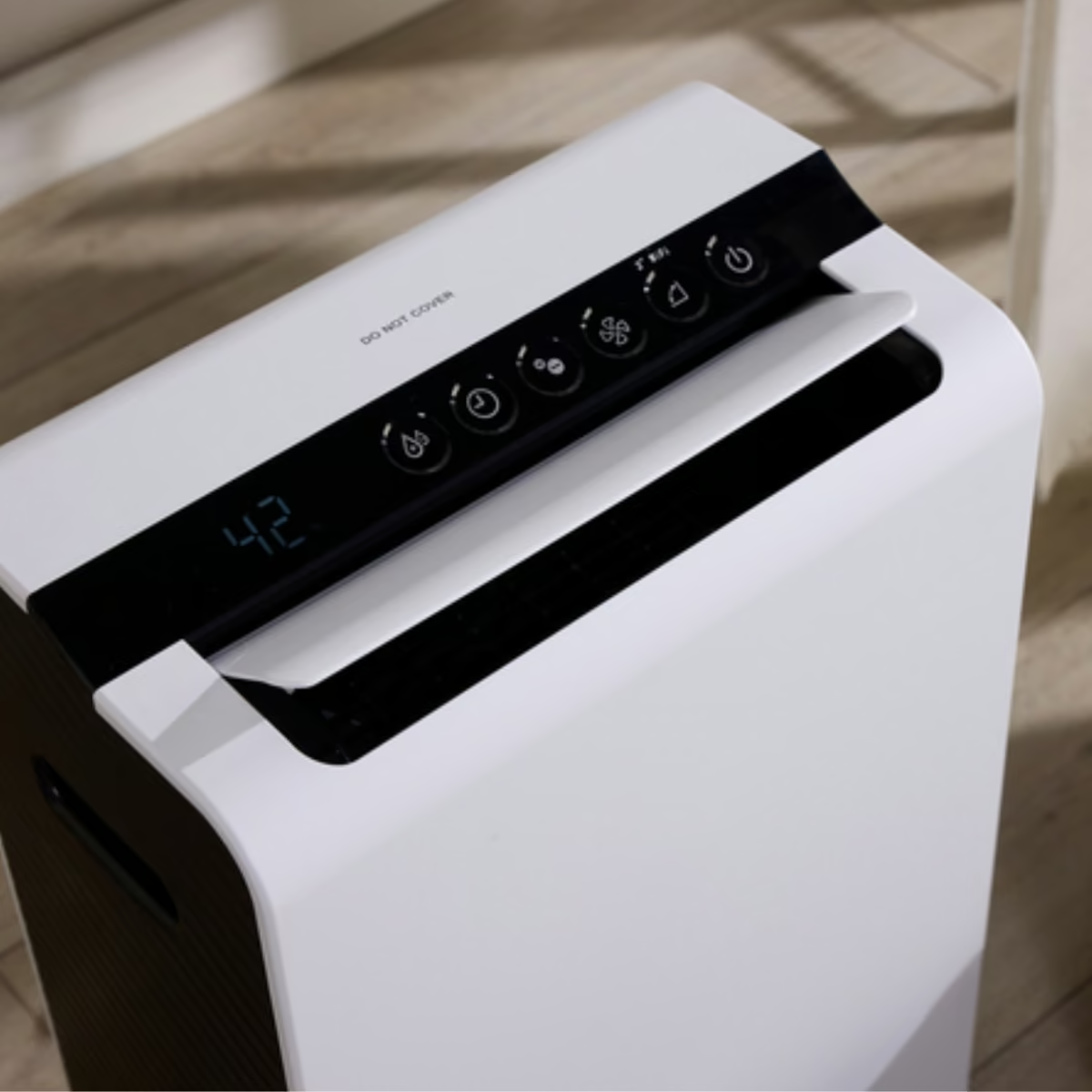
The Ausclimate ACD200 is a 10 litre per day desiccant dehumidifier designed specifically for cooler climates, with an operating range down to freezing where compressor-based units typically struggle. It measures 552 x 211 x 353mm and weighs 8.9kg, with a 2 litre removable water tank and a continuous drainage option for hands-off laundry drying.
It has built-in WiFi, letting owners monitor humidity, adjust settings and schedule operation remotely through the Ausclimate smart app, with Amazon Alexa and Google Home compatibility layered on top. A 24-hour timer, digital humidistat and dedicated laundry mode round out the control set, and it is rated for rooms up to 50 square metres.
It suits larger living areas, open-plan spaces and laundries in New Zealand’s colder, damper regions where a compact unit would struggle to keep up. The trade-off for the bigger coverage and smart features is a smaller 2 litre tank than some rivals, meaning more frequent emptying if run continuously without the drain hose connected.
Pros
- Built-in WiFi with app control, plus Alexa and Google Home compatibility
- Rated for larger rooms up to 50 square metres
- Backed by a 4 year domestic warranty, longer than many rivals
Cons
- 2L water tank is smaller than some competitors, needing more frequent emptying without the drain hose
- Sits at a higher price point than the non-WiFi Cool-Seasons variant
Key specs: Moisture removal: up to 10L per day · Water tank: 2L removable, with continuous drainage function · Coverage: up to 50m² · WiFi smart app control, Alexa/Google Home compatible · Dimensions/weight: 552 x 211 x 353mm, 8.9kg; power 610W, noise approx. 50dB
4. Breville the All Climate 2-in-1 Dehumidifier – Best 2-in-1 Dehumidifier & Air Purifier
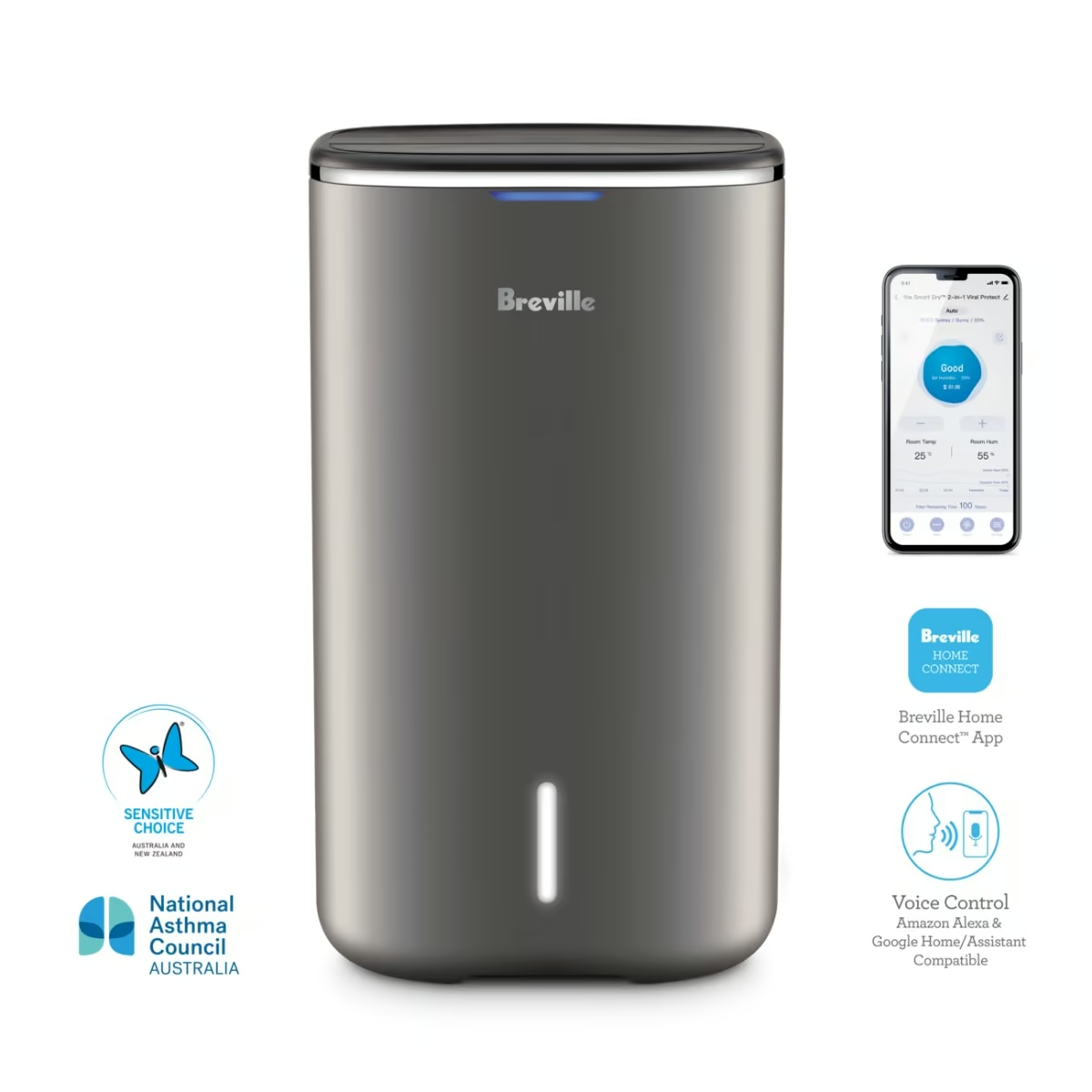
The Breville All Climate 2-in-1 combines a desiccant dehumidifier with an AntiViral HEPA-13 air purifier in one titanium-coloured unit, standing 577mm tall with a 4 litre tank. Breville’s own SensAir System monitors humidity automatically, and the AntiViral HEPA-13 filter is rated to capture 99.97 percent of fine particles and allergens down to 0.3 microns, plus a stated reduction of airborne viral particles.
It extracts up to 8 litres of moisture per day and covers rooms up to 50 square metres, with a Laundry Mode for faster clothes drying and a night setting that quietens operation, though it can reach 51dB at full speed. Wi-Fi connectivity through the Breville Home Connect app allows remote monitoring and control, with Amazon Alexa and Google Home voice compatibility, and it carries Sensitive Choice and National Asthma Council Australia certification.
This is the pick for households wanting cleaner air alongside moisture control rather than maximum litres-per-day extraction, since its 8L rating trails the pure desiccant units above. It suits allergy or asthma sufferers in cooler NZ climates who want a single appliance handling both damp and airborne allergens, backed by a 2 year warranty.
Pros
- Combines dehumidification with genuine HEPA-13 air purification in one unit
- Sensitive Choice and National Asthma Council Australia certified
- Smart app control via Breville Home Connect, with Alexa and Google Home support
Cons
- 8L/day moisture extraction is lower than comparable 10L desiccant-only rivals
- HEPA-13 filter needs replacing every 4-6 months, an ongoing running cost
Key specs: Moisture removal: up to 8L per day · Filter: AntiViral HEPA-13, 4-6 month replacement life · Coverage: up to 50m² · WiFi via Breville Home Connect app, Alexa/Google Home compatible · Dimensions: 577 x 330 x 264mm; power 420W, noise up to 51dB; 4L tank
5. Breville the Re-Fresha Mini Dehumidifier Kit – Best for Wardrobes & Closets
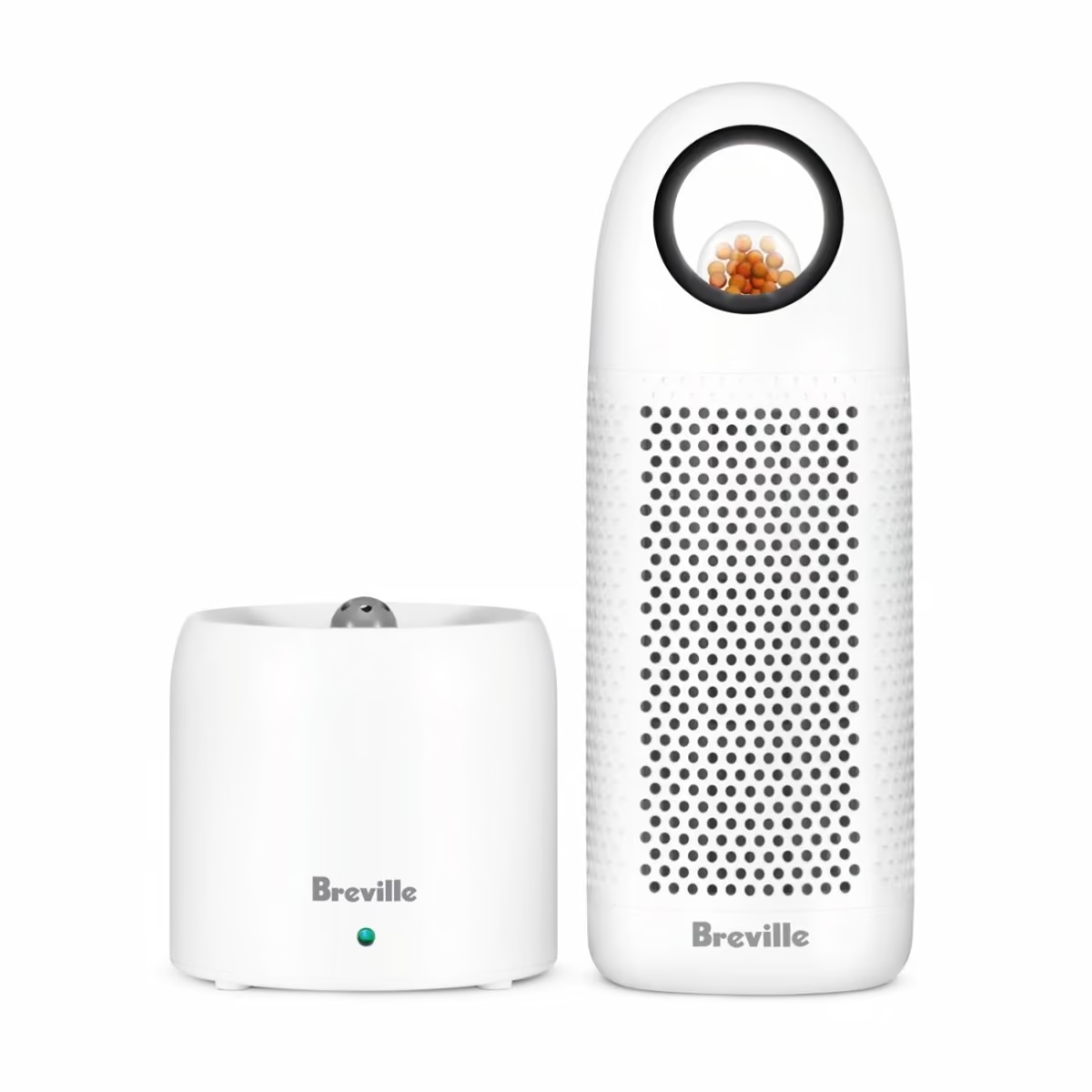
The Re-Fresha Mini Dehumidifier Kit from Breville is a compact rechargeable moisture absorber built for small, enclosed spaces rather than whole rooms. The kit pairs a small dehumidifier unit with a drying base, measuring just 10.7 x 10.7 x 27cm, with a 360-degree air inlet designed to draw in moisture from all sides, and a colour-changing window showing how much moisture it has absorbed at a glance.
Rather than plugging into a wall to dehumidify, the unit works passively, absorbing moisture with no chemicals or particles released, which makes it safe to use around children and pets. Once the moisture window shows the unit is full, it clips onto the included drying base, which draws 45 watts of power and dries the unit out again in a 2 hour cycle with auto-off, so the same unit can be reused indefinitely rather than thrown away.
This is a niche, budget-friendly product, and it is not a substitute for an electric room dehumidifier. It is designed for wardrobes, closets, drawers, cupboards, suitcases and handbags rather than bathrooms or basements, so it suits anyone wanting to stop musty smells building up in a small enclosed space without running a power-hungry appliance continuously.
Pros
- Reusable design, the same unit dries out on its base rather than needing replacement cartridges
- No chemicals or particles released, safe to use around kids and pets
- Compact and portable, suited to wardrobes, drawers, suitcases and other tight spaces
Cons
- Only suitable for small enclosed spaces, not a room or whole-house dehumidifier
- No stated moisture capacity or coverage area figures published by Breville
Key specs: Dimensions: 10.7 x 10.7 x 27cm (W x D x H) · Drying base power: 45 watts · Drying cycle: 2 hours with auto-off · Construction: plastic housing with 360-degree air inlet · Includes: mini dehumidifier unit, drying base, and elastic hanging cord
6. Advwin 2-in-1 Dehumidifier & Air Purifier – Best Budget 2-in-1 for Bedrooms
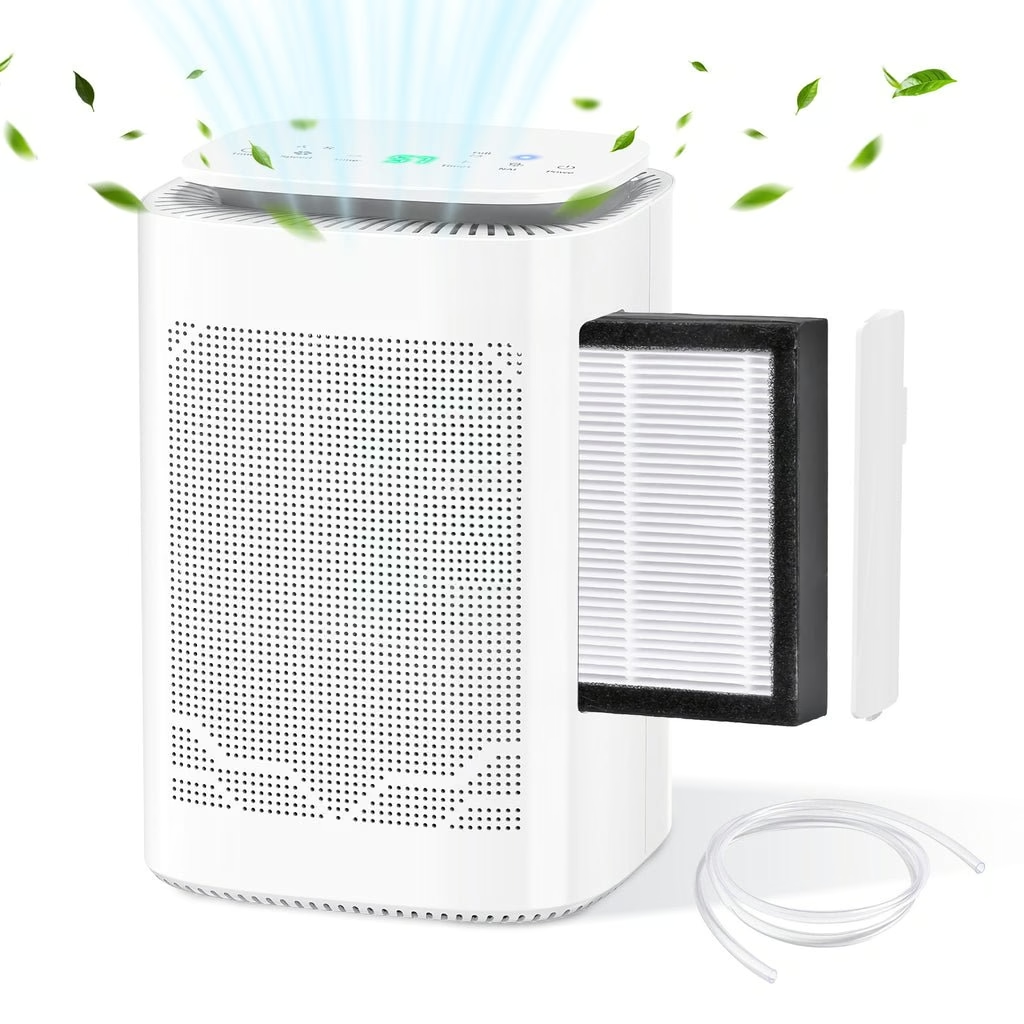
The Advwin 2 in 1 Dehumidifier and Air Purifier is a compact unit measuring 230 x 220 x 330mm, built for single rooms such as bedrooms, bathrooms, wardrobes and home offices rather than large open areas. It combines a 1,600ml water tank with an H13 HEPA filter and anion (negative ion) purification, so it is marketed to handle both damp air and airborne dust and allergens in the one appliance.
Advwin states the unit removes up to 800ml of moisture every 24 hours and draws 42 to 90 watts depending on mode, giving it a reasonably light running cost for a small space. It includes a 24 hour timer with automatic humidity control between 40 and 70 percent, an automatic defrost function for cooler rooms, and auto shut-off once the tank fills. It also has an external drain hose fitting so it can run continuously in bathrooms or laundries.
This sits as a genuine budget option for a single room rather than a basement or whole-floor dehumidifier, and its rated 800ml/24H capacity is modest next to larger compressor units. It suits people who want light dehumidifying plus HEPA-level air purification in one small appliance, but those with a genuinely damp basement or large room will likely need a higher-capacity unit.
Pros
- 2 in 1 function, combines dehumidifying with H13 HEPA and anion air purification
- Continuous drainage option via drain hose, avoids constantly emptying the tank
- 24 hour timer with automatic humidity control (40-70%) and auto shut-off
Cons
- Modest 800ml/24H dehumidification capacity, better suited to small rooms than basements or large areas
- Noise level not published by the brand
Key specs: Tank capacity: 1,600ml · Dehumidification capacity: 800ml per 24 hours · Power consumption: 42-90W (approx. 1.9kWh/24H) · Filter: H13 HEPA with anion purification · Timer: 24-hour with auto humidity control (40-70%) and auto shut-off
7. Afloia 2-in-1 Dehumidifier & Air Purifier – Best Compact 2-in-1 with HEPA Filter
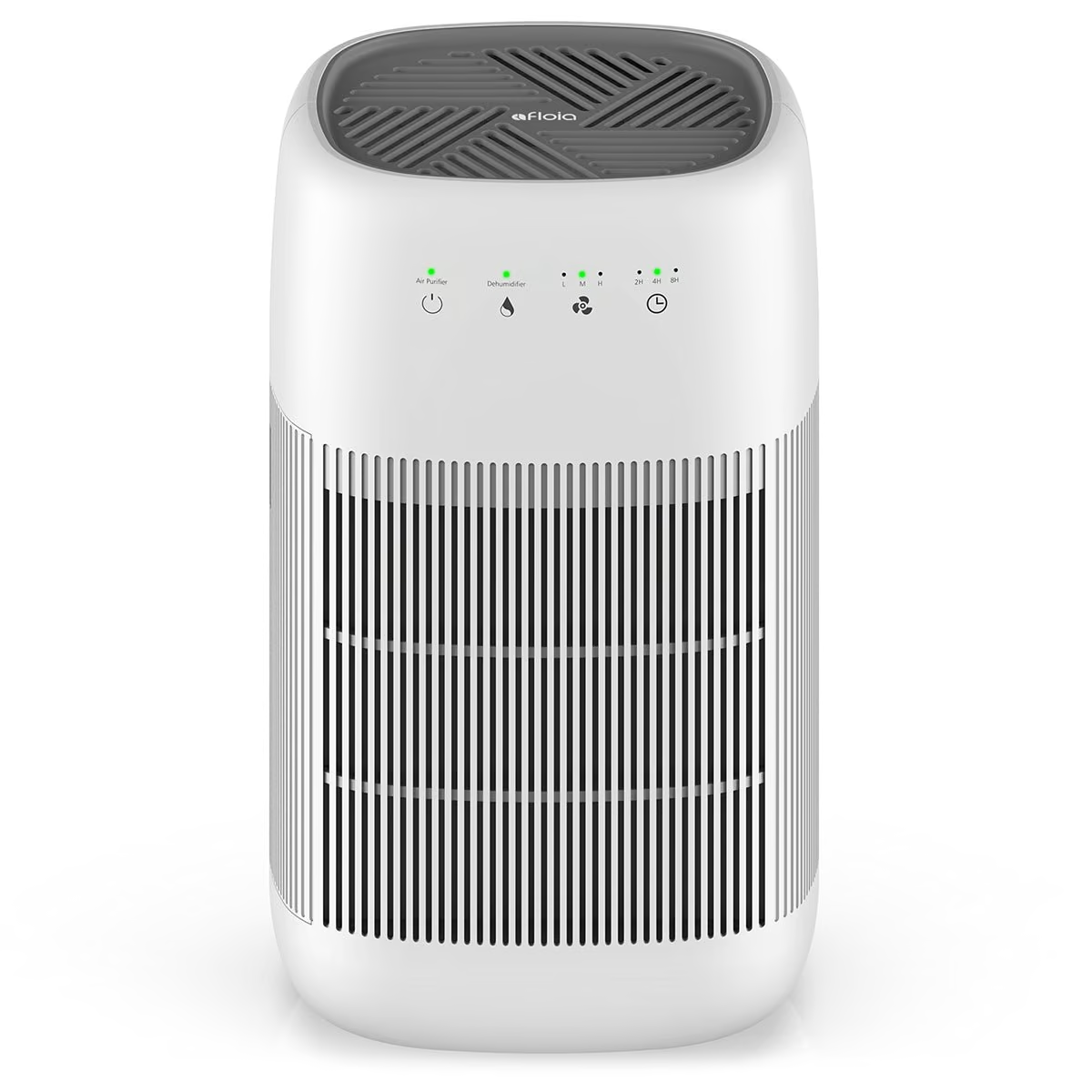
The Afloia Q10 is a compact 2-in-1 tower that combines an air purifier and a mini dehumidifier in a single small footprint, measuring 7.6 x 7.6 x 13.1 inches and weighing around 2.7kg. It has a touch control panel with one-button operation, making it easy to run in a bedroom, closet or small office.
On the air side it uses a True HEPA H13 filter rated to trap 99.97 percent of particles down to 0.1 microns. On the drying side it uses thermoelectric technology to pull up to 750ml of moisture per day into a 1000ml tank, with coverage up to roughly 25 square metres, three wind speeds, a 2/4/8 hour timer and auto shut-off.
The small tank and modest coverage area mean this unit is built for a single small room rather than a whole house or a genuinely damp basement. At 45W it draws little power and runs quietly, so it suits people who want combined air quality and light moisture control in a bedroom, wardrobe or closet rather than heavy-duty drying.
Pros
- Combines True HEPA air purification and dehumidification in one compact unit
- Multiple fan speeds plus a 2/4/8 hour timer with auto shut-off for hands-off use
- Low 45W power draw and quiet operation suited to bedrooms and closets
Cons
- Small 1000ml tank needs frequent emptying in genuinely humid conditions
- Coverage limited to about 25 square metres, not for larger rooms
Key specs: Tank capacity: 1000ml · Dehumidification rate: up to 750ml/day · Filter: True HEPA H13, traps 99.97% of particles down to 0.1 micron · Coverage: up to approx. 25m² · Power 45W; weight approx. 2.7kg
8. Hysure 2000ml Dehumidifier – Best Value Compact Dehumidifier
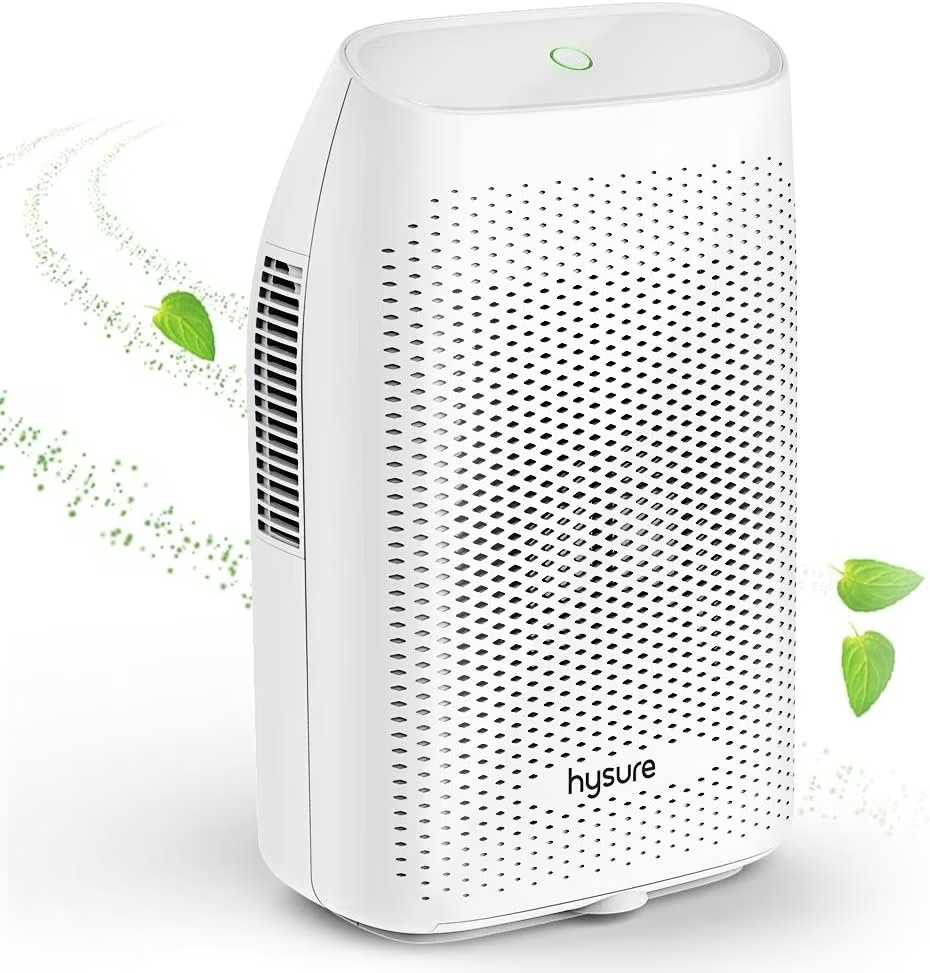
The Hysure 2000ml dehumidifier is a compact, portable unit with a plain, tidy design, holding a 2000ml removable water tank. Hysure rates it for around 269 square feet of coverage, aimed at a single small room rather than a whole house.
An automatic shut-off switches the unit off once the tank is full, with an indicator light so it does not overflow, and Hysure backs the unit with a 30-day money-back guarantee plus a 24-month warranty.
In independent long-term testing in a below-grade basement, the tank only filled twice over a month, leaving some doubt over whether it pulls as much moisture as a genuinely wet space needs. It reads as a better match for a smaller, already fairly dry room such as a bedroom, wardrobe or closet than for a damp basement.
Pros
- Quiet operation confirmed in independent testing
- Auto shut-off with indicator light once the 2000ml tank is full
- Backed by a 30-day money-back guarantee and 24-month warranty
Cons
- Moisture removal underperformed expectations in a demanding, genuinely damp basement setting in independent testing
- 2000ml tank capacity is modest for heavier-duty or larger damp spaces
Key specs: Water tank capacity: 2000ml, removable · Rated coverage: approximately 269 sq ft (25m²) · Auto shut-off with fill indicator light when tank is full · Backed by 30-day money-back guarantee and 24-month warranty · Compact, portable design
9. Midea FreshDry Dehumidifier (MDDQ12, HEPA + Wi-Fi)
Best overall for everyday NZ homes: A compact 12L/day unit that pairs real moisture removal with HEPA air cleaning and app control — the pick most Kiwi households should start with.
The FreshDry is built around a tall, slim casing that sits happily in a hallway, bedroom or living-room corner without dominating the floor. At roughly 12 kg it is light enough to shift between rooms by its top handle, and the white finish with a simple top-mounted control strip reads tidy rather than industrial.
Day to day, it pulls up to 12 litres from the air over 24 hours and stores it in a 1.6-litre tank, so in a damp NZ winter the tank fills fast — owners who do not plumb in continuous drainage should expect to empty it daily. The trade-off for that smaller tank is the size: it tucks away where larger 50L units cannot. The integrated HEPA filter is the standout, doubling the unit as a basic air purifier that traps dust and allergens while it dries the room, and the Wi-Fi link lets you start it, set a target humidity and schedule cycles from your phone before you get home.
A dedicated laundry mode runs the fan harder to dry washing indoors on wet days, and the quiet operation suits bedrooms. It is rated for spaces up to about 35 m²; push it into a large open-plan living area and it will work but slowly.
Pro — HEPA filtration plus dehumidifying in one tidy, movable unit.
Pro — Wi-Fi / app scheduling and a genuinely quiet running note.
Pro — Compact footprint that fits small NZ rooms and hallways.
Watch — 1.6 L tank fills quickly in very damp conditions — best plumbed for continuous drainage.
Watch — 12 L/day is modest for large open-plan spaces.
Key specs: 12 L/day extraction; 1.6 L tank; HEPA filter; Wi-Fi app control; laundry mode; ~35 m² coverage; ~12 kg.
10. Devanti 20L Dehumidifier
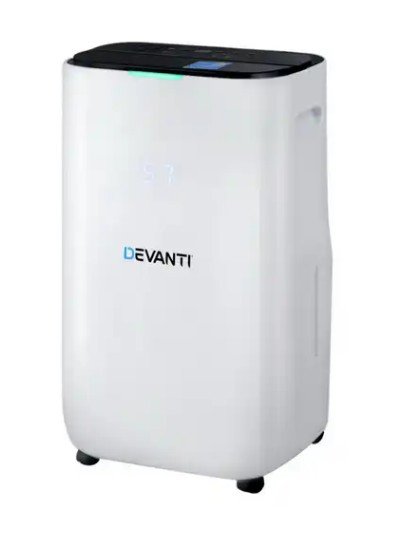
Best for whole-home damp and winter laundry : The best pick in NZ for tackling serious household damp is the Devanti 20L Dehumidifier, a 3-in-1 unit that dehumidifies, runs as a fan, and dries clothes across spaces up to 195㎡.
This is a full-size, floor-standing compressor unit rather than a benchtop gadget, so it suits a living room, a damp hallway, or a laundry running a drying load through a Wellington winter. Built-in handles and a set of casters mean it rolls room to room instead of being lugged, which matters once the 6.5L tank fills. The casing is white ABS plastic with a soft-touch control panel and a 3-colour light that shifts to signal the current humidity level at a glance — handy for knowing whether the room is still damp without reading a number.
Day to day, testers will appreciate the 24-hour programmable timer and power-failure memory, so settings survive an outage and the unit can be set and forgotten overnight. Two drainage options (the 6.5L tank or continuous drainage via the included 60cm pipe) plus overflow protection make it practical for long unattended runs. Performance is rated at 20L/day at 30°C/80% humidity, with two fan speeds.
The trade-offs: that 20L/day figure is measured in warm, very humid conditions, so real winter extraction will be lower; at 420W it draws more power than a compact unit; and it’s bulky to store off-season.
Pros: large 195㎡ coverage; 6.5L tank plus continuous drainage; casters and handles; timer and power-failure memory.
Cons: 20L/day is a best-case rating; 420W running cost; bulky to store.
Key specs: 20L/day (30°C/80%) · 6.5L tank · 420W · AC220–240V · ABS · 1–24hr timer · 2 fan speeds · 1-year warranty.
11. Midea 20L/Day Dehumidifier (MDDF20, 3L Tank)
Best for medium rooms and damp bedrooms: A quiet, no-nonsense 20L/day compressor unit that covers most single-storey living areas and master bedrooms.
Measuring 350 x 245 x 510 mm, the MDDF20 is a neat freestanding box that sits flat against a wall, finished in plain white with an electronic control pad and a clear LED display across the top. It is the size most people picture when they think ‘home dehumidifier’ — substantial but not awkward to move room to room.
Midea has tuned this one for quiet running: it uses a reciprocating compressor chosen to cut vibration, so it hums rather than rattles, which matters if it is going in a bedroom overnight. It removes up to 20 litres a day at 30°C/80% humidity (around 10 litres in cooler 27°C/60% conditions, which is more typical of a NZ shoulder season) and holds it in a 3-litre tank. Smart Dehumidification holds the room in a comfortable 45–55% band automatically, and auto-restart brings it back with the same settings after a power cut — handy during winter outages.
It is rated for roughly 37–52 m², so it comfortably handles a lounge or large bedroom. The main limitation is the tank: 3 litres is mid-sized, so in very wet rooms you will still empty it regularly unless you run the drain hose. Note TSB lists this model as delivery-only (dispatched from the distributor).
Pro — Low-noise compressor suited to bedrooms.
Pro — Smart auto-humidity control and auto-restart after outages.
Pro — Strong coverage for medium NZ living spaces.
Watch — 3 L tank needs regular emptying in very damp rooms.
Watch — Delivery-only — no in-store collection.
Key specs: 20 L/day (30°C/80%); 3 L tank; 37–52 m²; 24-hour timer; electronic control + LED; auto-restart; 12-month warranty; 350 x 245 x 510 mm.
If you are sorting heating and cooling together, the guides to panel heaters, portable air conditioners and air purifiers are worth a look.
Cold and damp arrive together in most NZ homes, and the best heat pumps deal with both at once by warming air enough to hold its moisture. Running an oil heater in a closed bedroom will make the condensation on your windows worse rather than better unless something is pulling that moisture back out. Covered decks and carports trap damp exactly the same way, though out there the practical fix is one of the best outdoor heater options rather than a dehumidifier.
Frequently Asked Questions
Which type of dehumidifier is most efficient?
Desiccant dehumidifiers are highly efficient in colder climates, while compressor-based dehumidifiers are more efficient for high humidity and warmer temperatures. For most NZ living areas a compressor unit is the better value; for cold, unheated rooms choose desiccant.
What size dehumidifier do I need in NZ?
For a mildly damp room up to 50 m² aim for 10–12 L/day; for moderately damp spaces 14–18 L/day; and for very damp rooms or whole floors 20–50 L/day. Size up if you dry laundry indoors or have a large household.
How do I maintain a dehumidifier?
Regularly clean or replace the filters, empty the water tank (or use continuous drainage), keep the air vents clear, and periodically wipe the interior to prevent build-up.
Do dehumidifiers stop mould?
Dehumidifiers help prevent mould by keeping humidity low, but they do not kill mould that is already there. Maintain 30–50% relative humidity to keep mould from returning.
Is it better to run a dehumidifier at night or day?
Running it during the day is often better because humidity tends to be higher and you avoid noise at night — though quiet units like the Midea FreshDry are fine to run overnight in a bedroom.
Verdict
For most Kiwi homes, the Breville Smart Dry Connect is the best all-round pick: smart app control, automatic humidity sensing and continuous drainage in a tidy single-room unit. If you are fighting serious whole-home damp, drying laundry indoors, or dealing with a cold garage or basement, step up to the Ionmax Vienne ION630 or Ausclimate ACD200 desiccant models, or the Devanti 20L below. For allergy-prone households, the Breville All Climate 2-in-1 adds genuine HEPA air purification alongside moisture control.
Whichever you choose, match the litres-per-day rating to your room size and dampness level, and consider a continuous drainage hose if you do not want to empty the tank daily through a wet winter.
