
The best window vacuum in NZ overall is the Karcher WV 7 Signature Line, thanks to its 100 minute battery life and a squeegee blade that lifts straight off the body for a proper rinse under the tap. If you’d rather not buy a battery-powered device at all, TSB Living’s magnetic double-side glass brush covers both faces of the glass at once with no charging required.
This guide now compares five window-cleaning tools: a manual magnetic glass brush, the Karcher and Bosch cordless vacuum-squeegees, and two robotic window cleaners that clean the glass autonomously once placed on it. Every write-up below is built from a live manufacturer or retailer page, not a marketplace listing, so every spec and photo has been independently checked rather than copied.
Window vacuums matter more in damp New Zealand homes than most marketing suggests. Roughly one in five houses here report ongoing condensation or damp, and a window vacuum clears that pooled moisture off the glass in seconds rather than leaving it to run down onto the sill. It will not fix the ventilation or insulation problem underneath, but it is a genuinely useful daily habit while that gets sorted.
For everyday floor maintenance the rest of the year, it is worth comparing these against the best robot vacuums, which handle dust and pet hair without any input once set up.
Quick comparison
| Model | Best For | Type | Battery/Runtime | Working width |
|---|---|---|---|---|
| Magnetic Double-Side Glass Cleaning Brush | Best Manual Pick | Manual, no battery | N/A | 15-26mm glass |
| Karcher WV 7 Signature Line | Best Overall | Cordless vacuum-squeegee | 100 min | 280mm |
| Bosch GlassVAC | Best for Everyday Cleaning | Cordless vacuum-squeegee | 30 min | 266mm |
| ECOVACS WINBOT Lite | Best Robotic Window Cleaner | Autonomous robot | – | – |
| CHUCII Window Cleaner Robot | Best Budget Robotic Cleaner | Autonomous robot | – | – |
1. Magnetic Double-Side Glass Cleaning Brush – Best Manual Pick
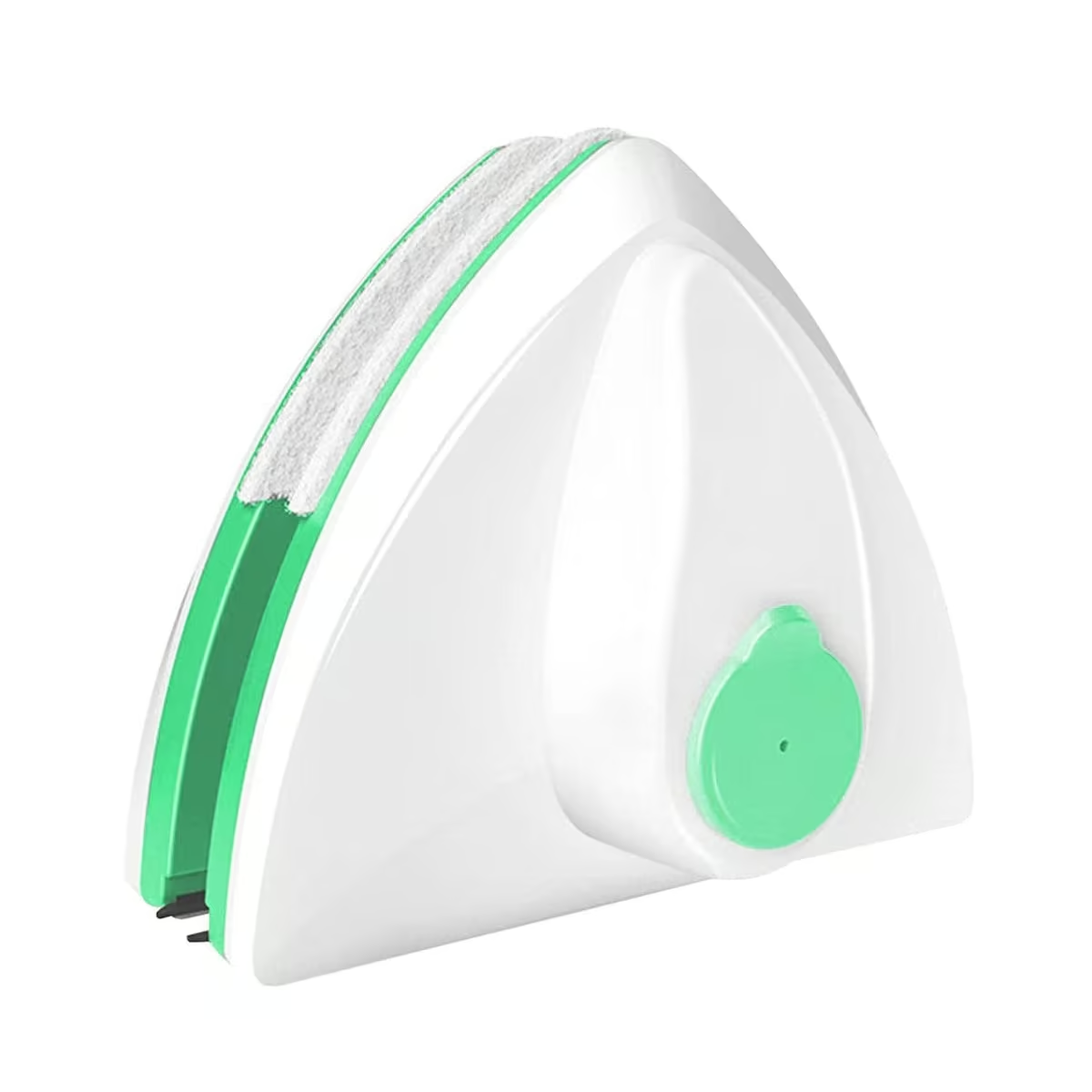
Best for: anyone who wants streak-free glass without buying a battery-powered device. This magnetic brush uses two pads, one on each side of the glass, held together by strong magnets, so cleaning the outside and inside happens in the same motion.
Design and shape: a triangular head design reaches into corners a rectangular pad would miss, and a built-in water reservoir doses cleaning fluid onto the pad automatically as you wipe, rather than needing a separate spray bottle.
Build and materials: it’s rated for 15-26mm thick glass, which covers standard NZ double glazing, with an anti-pinch magnetic isolation pad and a 2.5 metre safety rope so it can be used safely from indoors on an exterior window.
Trade-offs: there’s no suction or vacuuming action at all, so any water that runs past the pad still needs a cloth or squeegee to catch, and it needs both hands and some physical effort compared with a powered vacuum.
Pros
- Cleans both sides of the glass in one motion via magnets
- No battery to charge, ready to use any time
- Automatic water dosing from a built-in reservoir
- Safety rope included for exterior windows cleaned from inside
Cons
- No suction, so runoff still needs a separate wipe or squeegee
- Rated for 15-26mm glass only, check your window thickness first
Key specs: rated for 15-26mm glass, water-filling reservoir, 2.5m safety rope, replaceable rubber strips and cleaning pads included.
2. Karcher WV 7 Signature Line – Best Overall
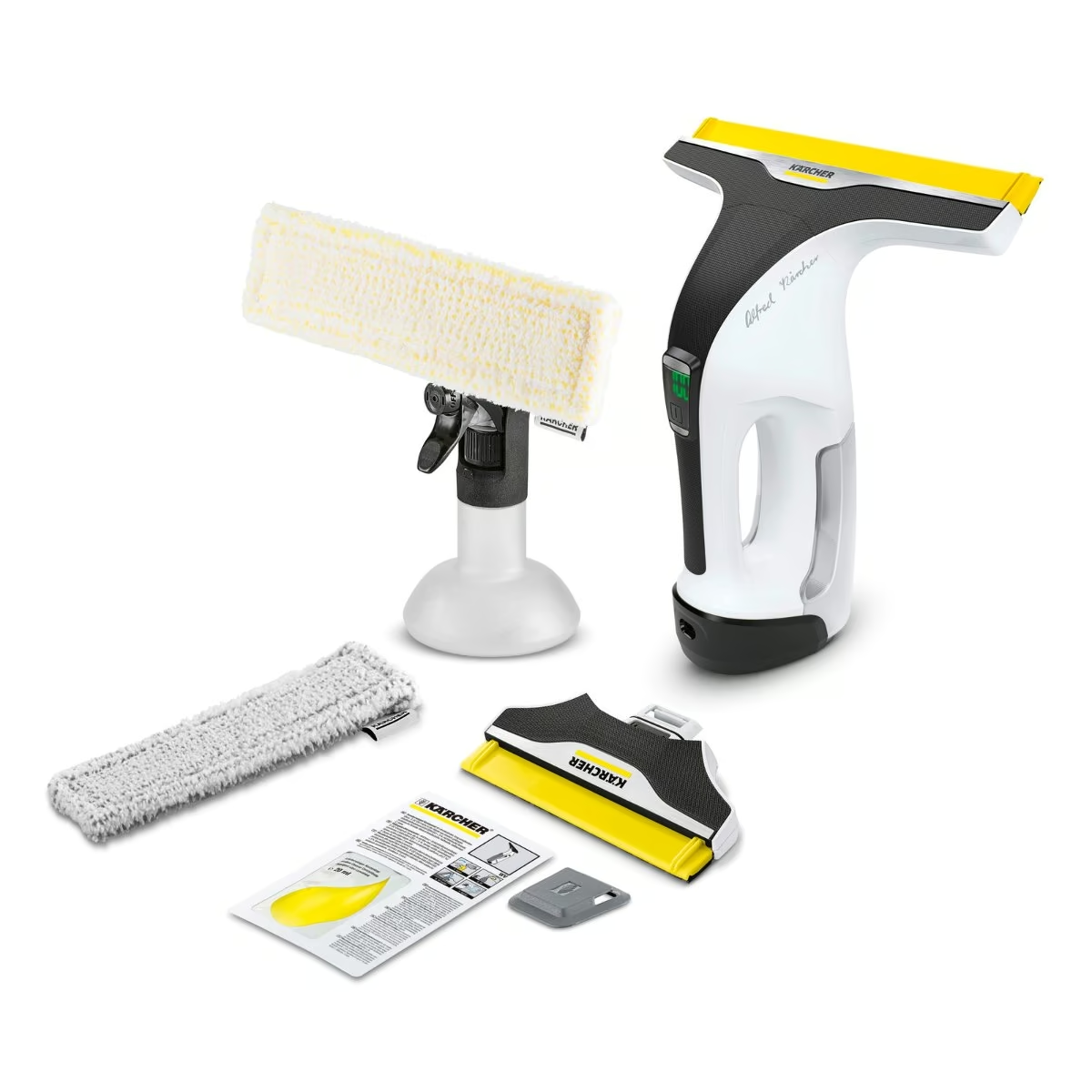
Best for: households with a lot of glass to get through in one session. The Karcher WV 7 Signature Line is the best window vacuum in NZ overall, built around a 100 minute battery that easily covers a full home’s windows, mirrors and shower screens in a single charge.
Design and shape: the unit weighs 1.8kg including its packaging and measures 126 x 280 x 310mm, with a 280mm suction nozzle plus a narrower 170mm nozzle that swaps on for tight corners and window frames. An ergonomic handle keeps the grip comfortable through a full room-by-room clean.
Look and finish: it comes in white with a raised Signature Line badge on the handle, and unlike Karcher’s standard window vacs, this model ships in a dedicated storage box rather than a bag, so the charger, spray bottle and nozzles stay together in a cupboard. A small LED display on the handle counts down the exact minutes of battery left as it runs.
Build and materials: both the squeegee blade and suction nozzle detach fully from the body, so they can be rinsed clean under a tap rather than wiped with a cloth. The dirty water tank empties through a dedicated hygienic-release mechanism designed so the used water does not touch your hand.
User experience: setup pairs with Karcher’s own app for first-time guidance and cleaning tips, and a full charge takes about 170 minutes on the supplied quick charger. Testers describe it as easy to pick up straight out of the box, with one owner calling the extended runtime a genuine change from wiping windows by hand.
Performance: a single charge is rated for around 300 square metres of glass, and Karcher’s own testing claims the unit cleans roughly three times faster than a spray-and-wipe routine. It is also rated for tiles, mirrors, shower cabins and glass tabletops, not just windows.
Trade-offs: a few owners note that shower screens can look streak-free straight after use but show old marks again once the room steams up, since no window vacuum removes ongoing condensation at the source. It also sits at the pricier end of the category, so it suits shoppers after the longest runtime and the most accessories rather than the cheapest option on the shelf.
Pros
- 100 minute battery life covers a full house in one charge
- Squeegee blade and nozzle detach fully for rinsing
- LED display shows exact battery minutes remaining
- Rated for tiles, mirrors and shower cabins, not just windows
Cons
- Steam and condensation can make old marks reappear on shower screens
- Sits at the pricier end of the window vacuum category
Key specs: model WV 7 Signature Line, 280mm / 170mm suction nozzles, 150ml dirty water tank, 100 minute battery life, 170 minute charge time, white.
3. Bosch GlassVAC – Best for Everyday Cleaning
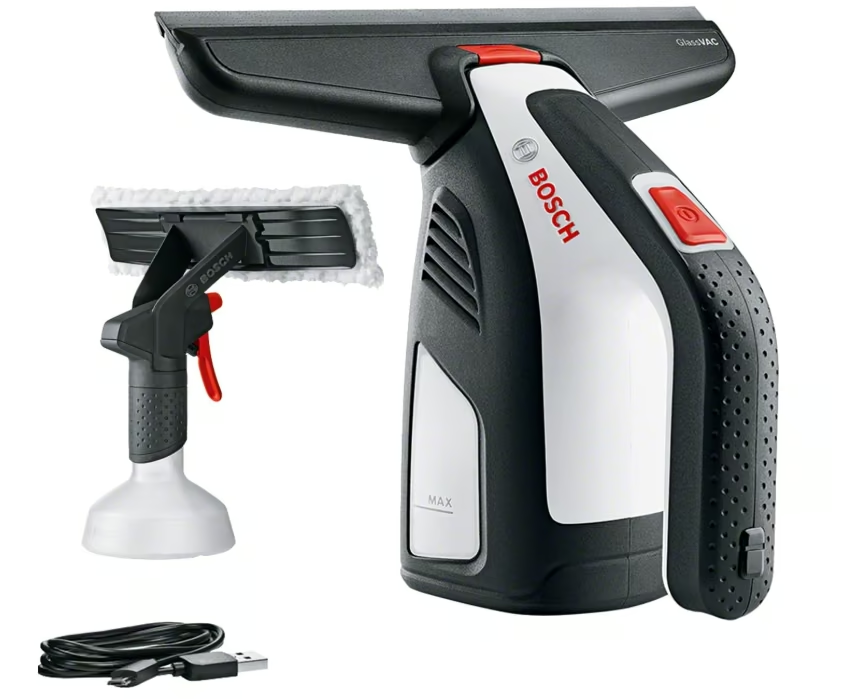
Best for: smaller homes, apartments and quick daily touch-ups. The Bosch GlassVAC is the best window vacuum in NZ for everyday cleaning, built around the same wiper-blade rubber Bosch uses in its automotive range for a smooth, squeak-free glide.
Design and shape: the GlassVAC has a 266mm working width and a compact body designed for handling in confined spaces, according to its NZ retail listing, making it an easier fit for smaller bathroom mirrors and shower stalls than a full-size window vac.
Look and finish: it has a plain white housing with simple single-button control and a separate spray-applicator bottle carrying its own microfibre cloth, so the spray, wipe and vacuum steps use three distinct tools rather than one all-in-one head.
Build and materials: the suction blade uses Bosch’s patented Power Protection Plus rubber coating, the same idea behind its windscreen wiper blades, designed to cut the squeaking and smearing that cheaper rubber blades can leave behind on glass.
User experience: it charges over a micro-USB cable rather than a dedicated dock, and the cleaning routine is a simple three-step spray, wipe, vacuum sequence. Testers consistently describe how light the GlassVAC feels through a full cleaning session compared with a full-size unit.
Performance: a charge runs for 30 minutes, enough to cover about 35 windows or roughly 105 square metres of glass in one sitting. That is noticeably less per-charge coverage than the Karcher, but still enough for a typical NZ home’s exterior windows or a full bathroom’s mirrors and screens in one pass.
Trade-offs: the dirty water tank does not detach from the body, so tipping it out and rinsing it between uses is fiddlier than a tank that lifts free. A few testers also note a faint water line can linger where glass meets a tiled sill or window frame, needing a quick wipe with a cloth to finish the job.
Pros
- Compact 266mm body suits smaller bathrooms and apartments
- Patented rubber coating glides smoothly without squeaking
- Simple three-step spray, wipe, vacuum routine
- Noticeably lightweight through a full cleaning session
Cons
- Dirty water tank does not detach, making it fiddlier to rinse
- Shorter 30 minute runtime than the Karcher
Key specs: model 06008B7200, 3.6V battery, 266mm suction blade, white.
4. ECOVACS WINBOT Lite – Best Robotic Window Cleaner
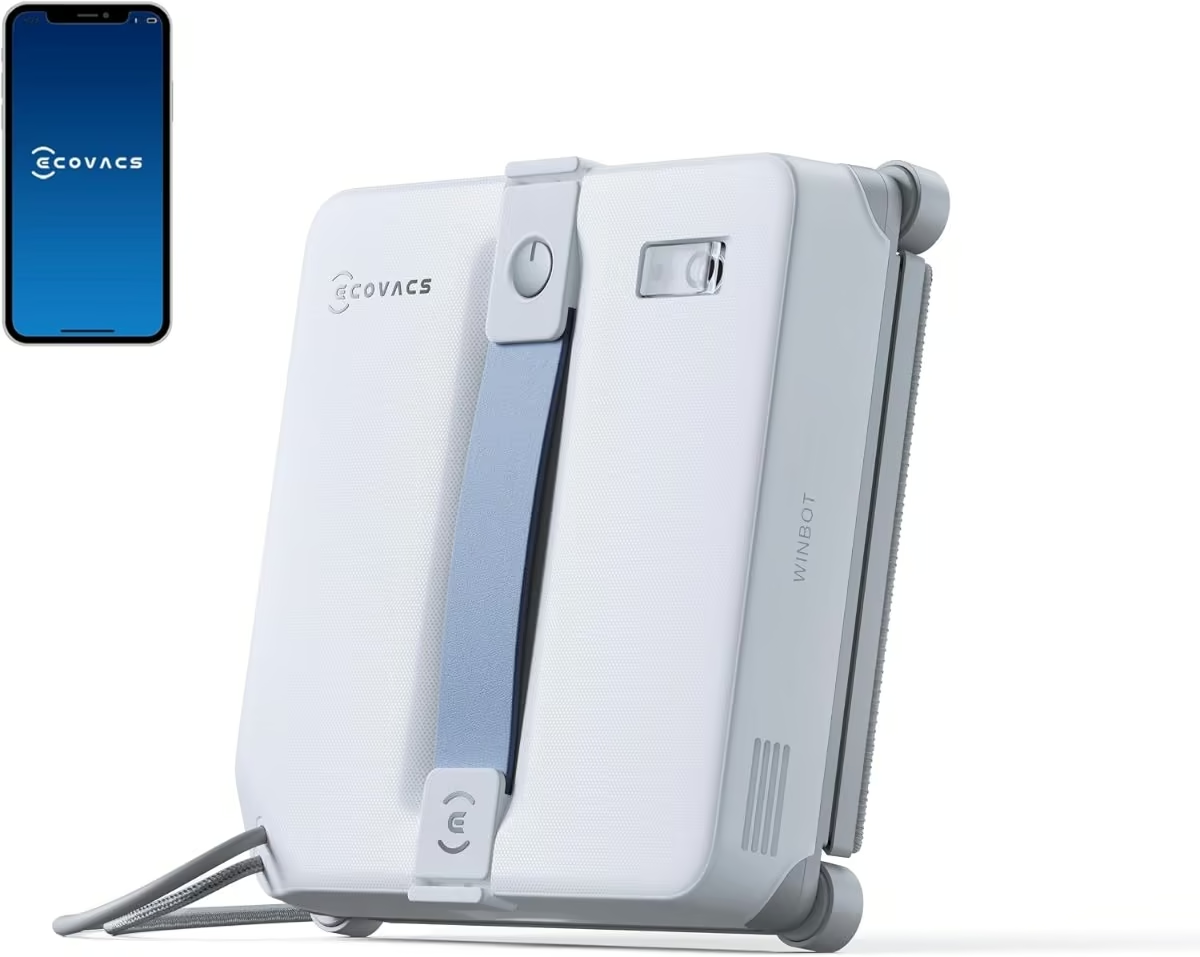
Best for: anyone who would rather set a window cleaner going and walk away than hold a device themselves. The WINBOT Lite is a robot that sticks to the glass and cleans it autonomously, a genuinely different category from every other pick in this guide.
Design and shape: Win-SLAM 4.0 navigation maps the window as it cleans, and five smart cleaning modes (including Deep, Fast, Precision, Spot and Edge) let you match the routine to how dirty the glass actually is rather than running one fixed cycle every time.
Build and materials: from the ECOVACS Robotics brand behind the well-known DEEBOT floor robots, it’s built to hold itself to vertical glass via suction while it works, with a safety tether as backup in case of a power interruption.
Trade-offs: it’s the most expensive pick in this guide by a wide margin, and like most window-cleaning robots it needs a flat, reasonably clean pane to grip properly, so it’s not a fit for heavily textured or very dirty glass on a first pass.
Pros
- Cleans autonomously once placed on the glass, no holding required
- Five smart modes match the routine to how dirty the window is
- From an established robotics brand with a large review base
Cons
- The most expensive pick in this guide by a wide margin
- Needs a reasonably flat, clean pane to grip properly
Key specs: Win-SLAM 4.0 navigation, 5 smart cleaning modes, suction-hold with safety tether, suits windows, mirrors and glass doors.
5. CHUCII Window Cleaner Robot – Best Budget Robotic Cleaner
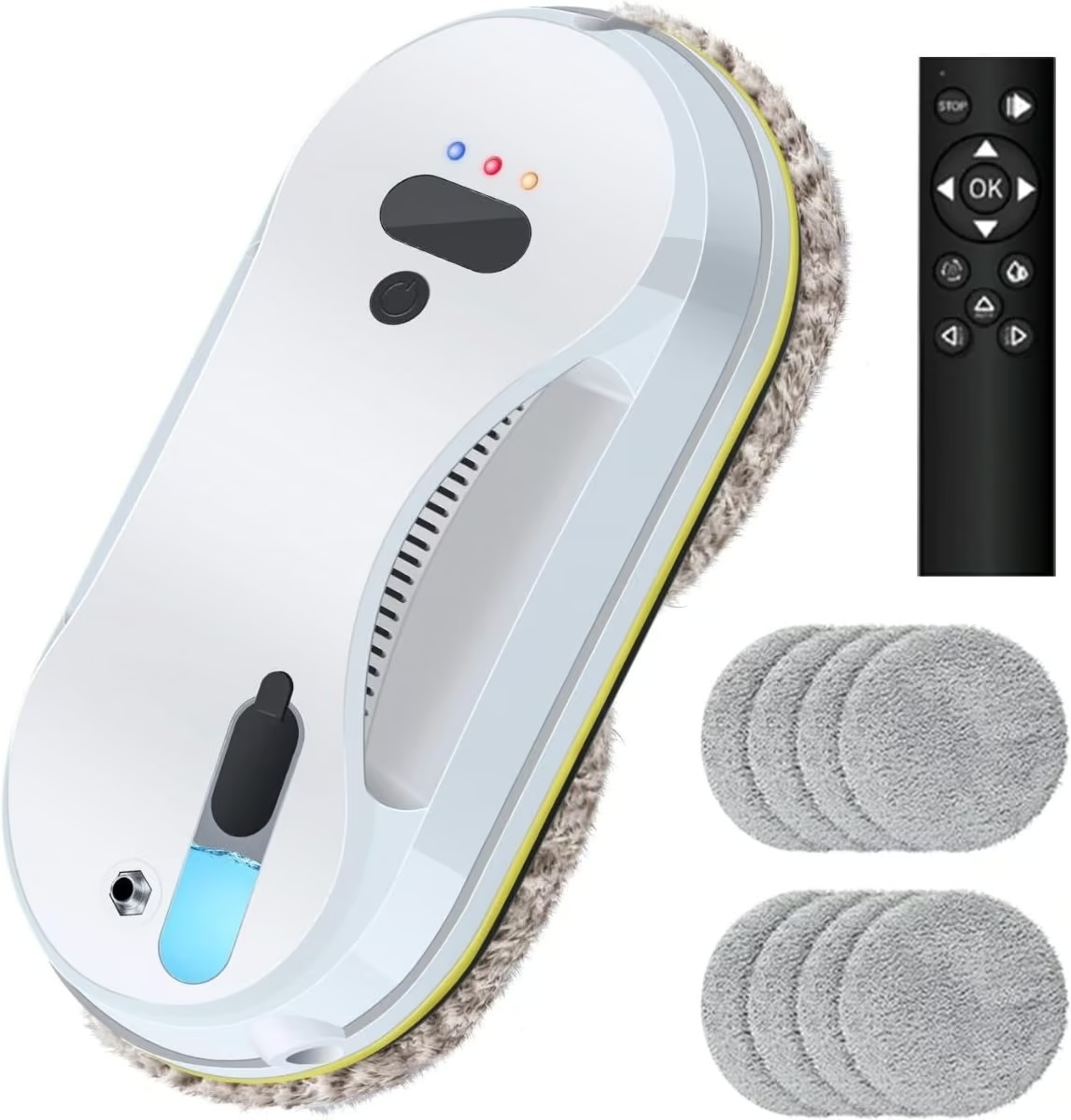
Best for: anyone curious about a robotic window cleaner but not ready to spend premium money on one. The CHUCII sits at a noticeably lower price than the ECOVACS while covering the same basic autonomous-cleaning idea.
Design and shape: an automatic ultrasonic water spray wets the glass as it goes, backed by a double spiral cleaning head and 5600Pa of suction to hold itself against the pane, including higher-rise windows.
Build and materials: a safety rope and anti-fall design address the obvious risk of a robot losing grip on an upper-storey window, and a 40ml water tank is sized for a whole house’s windows in one fill, aside from the four corners of a square window which still need a manual wipe.
Trade-offs: it’s a newer, less-established brand than ECOVACS, and reviewers rate it more mixed given the small review count so far. It’s best understood as a budget entry into robotic window cleaning rather than a like-for-like ECOVACS alternative.
Pros
- Genuinely cheaper entry point into robotic window cleaning
- Automatic water spray and 5600Pa suction handle higher-rise windows
- Safety rope and anti-fall design for exterior upper-storey use
Cons
- A newer, less-established brand with a smaller review base than ECOVACS
- Square window corners still need a manual wipe
Key specs: 5600Pa suction, automatic water spray, 40ml water tank, double spiral cleaning head, safety rope included.
How to choose a window vacuum
Match the runtime to the size of the job. A 30 minute charge like the Bosch GlassVAC’s comfortably covers a bathroom and a handful of windows, while a 100 minute unit like the Karcher suits a full house done in one sitting without stopping to recharge.
A window vacuum is a specialist tool for glass, mirrors and tiles, not a floor cleaner, so keep it separate from your regular best bagless vacuum cleaners pick for carpets and hard floors.
For the car, a dedicated best car vacuum cleaners is a far better fit for tight interior spaces than adapting a window vac’s squeegee head.
Check what surfaces the nozzle is rated for. Both picks here also handle mirrors, shower screens, glass splashbacks and glazed tiles, which is useful if damp bathrooms are the bigger problem in a home.
Keep the blade clean. Streaking is almost always down to a worn or dirty squeegee edge, moving too quickly, or not spraying enough moisture before the pass, so rinse the blade after each use.
Verdict
For most New Zealand homes, the Karcher WV 7 Signature Line is the strongest all-round pick, with enough battery life to get through a full house of windows, mirrors and shower screens in one charge. Buyers with a smaller home, or who just want a compact tool for bathroom glass and mirrors, will get everything they need from the Bosch GlassVAC without paying for runtime they will not use. If you would rather skip batteries entirely, the magnetic glass brush cleans both sides of the pane in one motion for a genuinely different, no-charging approach. For anyone happy to spend more and let a device do the work unattended, the ECOVACS WINBOT Lite is the strongest robotic pick, with the CHUCII Window Cleaner Robot a genuinely cheaper way to try the same idea.
If ongoing condensation is the bigger issue rather than the cleanup, it is worth pairing a window vacuum with a best humidifiers pick to manage moisture in the room itself.
Frequently Asked Questions
Do window vacuums actually work?
Yes. A window vacuum sprays and wipes the glass first, then a squeegee head lifts the dirty water straight into a tank instead of letting it drip or smear. Testers find this leaves noticeably fewer streaks than wiping with a cloth alone, though results still depend on using enough spray and keeping the blade clean.
Are window vacuums worth it?
For anyone with more than a few windows, mirrors or shower screens to clean regularly, yes. A window vacuum cuts cleaning time compared with spray and wipe by hand and stops water dripping onto sills and floors. Shoppers who only clean windows once or twice a year may find a squeegee and cloth do the job just as well.
How long does a window vacuum battery last?
Runtime varies by model. Compact cordless units like the Bosch GlassVAC typically run around 30 minutes per charge, while longer-life models such as the Karcher WV 7 stretch to 100 minutes. Coverage is usually described in square metres per charge rather than minutes alone, since window size and technique both affect how far one charge goes.
Do window vacuums help with condensation?
Yes, they clear pooled moisture off glass quickly, which is useful given that roughly one in five New Zealand homes report damp issues. A window vacuum treats the symptom rather than the cause though. Persistent condensation usually points to a ventilation or insulation problem that a window vacuum alone will not fix.
Why does my window vacuum leave streaks?
Streaking is usually caused by a worn or dirty squeegee blade, moving the head too quickly, or not spraying enough moisture before wiping. Rinsing the blade after each use and slowing the pass over the glass clears the problem in most cases, according to manufacturer troubleshooting guidance for both Karcher and Bosch models.
Can you use a window vacuum on shower screens, mirrors or tiles?
Most cordless window vacuums, including both picks here, are designed for any smooth, non-porous surface, not just windows. That covers shower screens, bathroom mirrors, glass splashbacks and glazed tiles. Textured or porous surfaces, such as unglazed tile or fabric, are not suitable, since the squeegee blade needs a flat surface to seal against.
Is a window vacuum better than a squeegee?
A window vacuum is faster and leaves no dripping water on the floor or sill, since it collects the dirty water in a tank as it goes. A manual squeegee is cheaper and needs no charging, but leaves runoff to mop up afterwards. Which suits better mostly comes down to how often the job comes up.
Karcher WV 7 or Bosch GlassVAC, which is better?
The Karcher WV 7 Signature Line offers a longer 100 minute runtime and a fully removable blade for easier cleaning, suiting larger homes with more glass to get through. The Bosch GlassVAC is smaller with a 30 minute runtime, suiting quicker jobs like a bathroom or apartment. Both deliver streak-free results on glass.