A running shoe is a shoe built around one repeated impact: landing on one foot at two to three times your body weight, thousands of times per run. That is what separates it from a gym trainer or a casual sneaker, which are built for side-to-side movement or looks, and why a proper running shoe puts most of its engineering into the midsole foam, the heel-to-toe geometry and an outsole rubber that survives hundreds of kilometres of footpath.
Running shoes fall into a handful of types, and the type matters more than the brand. Neutral daily trainers are cushioned, versatile shoes for runners whose feet do not roll inward much. Stability shoes add guidance through the midsole to control overpronation, the inward roll of the foot after landing. Max-cushion shoes stack extra foam under the foot for long, easy kilometres and tired legs. Trail running shoes swap smooth rubber for deep lugs and a tougher upper for mud, gravel and loose track. Budget and entry-level trainers use simpler foams and suit new runners and lighter weekly mileage.
The most useful number in this category is shoe life. Most running shoes lose a meaningful amount of their cushioning somewhere between 500 and 800 kilometres (roughly 300 to 500 miles), so a runner doing 25 kilometres a week will wear out a pair in six to eight months, well before the upper looks tired. Beyond that, the decision comes down to four things: whether you need neutral or stability support, how much cushioning you want, the surface you run on, and fit, which should leave about a thumb’s width (around 1cm, or half an inch) between your longest toe and the end of the shoe.
This guide compares ten running shoes available in New Zealand across neutral, stability, max-cushion, trail and budget categories, with men’s and women’s versions of the major models.
Running shoe comparison
| Product | Best for | Type | Listed version | Midsole foam | Rating |
|---|---|---|---|---|---|
| Brooks Ghost 17 | Best Overall Daily Trainer | Neutral | Men’s | Nitrogen-infused DNA Loft v3 | 4.6/5 |
| ASICS Gel-Nimbus 27 | Best Max-Cushion Shoe | Neutral, max cushion | Women’s | FF Blast Plus Eco + PureGEL | 4.4/5 |
| Brooks Adrenaline GTS 24 | Best Stability Shoe | Stability | Men’s | Nitrogen-infused DNA Loft v3 | 4.5/5 |
| ASICS Gel-Kayano 32 | Best Premium Stability Shoe | Stability | Men’s | FF Blast Plus + PureGEL | 4.4/5 |
| HOKA Clifton 10 | Best Lightweight Cushioned Shoe | Neutral | Women’s | High-stack cushioning | 4.5/5 |
| New Balance Fresh Foam X 1080 v14 | Best for Long Runs | Neutral, max cushion | Men’s | Fresh Foam X | 4.6/5 |
| Saucony Ride 18 | Best Versatile Neutral Shoe | Neutral | Women’s | PWRRUN+ | 4.4/5 |
| Nike Pegasus 41 | Best All-Rounder for Everyday Runs | Neutral | Men’s | Nike cushioning | 4.5/5 |
| Salomon Speedcross 5 | Best Trail Running Shoe | Trail | Men’s | Salomon trail midsole | 4.5/5 |
| Under Armour Charged Surge 4 | Best Budget Running Shoe | Neutral, entry-level | Men’s | Charged Cushioning | 4.4/5 |
1. Brooks Ghost 17 – Best Overall Daily Trainer
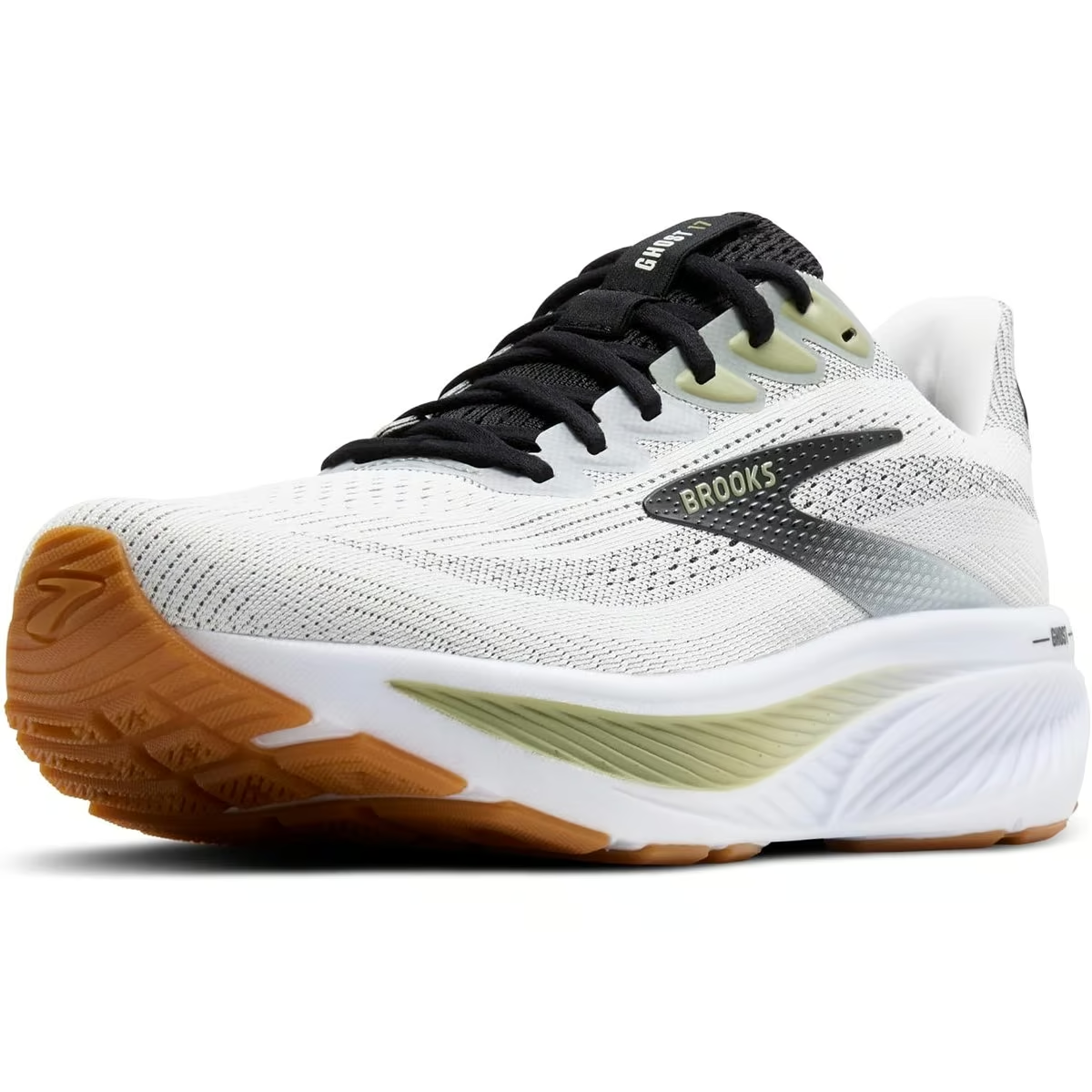
The Ghost is the shoe most running shops reach for when a new runner asks for one pair that does everything, and the 17th version keeps that brief. It is a neutral daily trainer with nitrogen-infused DNA Loft v3 foam, and Brooks has added an extra 1mm of foam in the heel and 3mm in the forefoot over the Ghost 16, so the ride is a little softer without losing its familiar feel.
The newly designed midsole uses flex grooves to smooth out the roll from landing to toe-off, and the double jacquard air mesh upper with a kick-back collar keeps it breathable and secure. It is equally at home on footpath runs, gym sessions and long walks, which is exactly why it suits people building up to their first 5km or 10km.
It also carries the APMA Seal of Acceptance and is certified as a PDAC A5500 diabetic shoe, both useful signals for anyone with foot health concerns. With a 4.6-star rating from more than 3,300 reviews, it is the safest starting point in this guide.
Pros
- Soft, smooth nitrogen-infused DNA Loft v3 cushioning
- Extra foam over the Ghost 16 in both heel and forefoot
- Versatile enough for running, walking and the gym
- APMA Seal of Acceptance and PDAC A5500 diabetic certification
- Very high rating across a large review base
Cons
- Neutral only, so overpronators should look at the Adrenaline GTS 24 instead
- Not a fast or lively shoe for racing or speed sessions
- Ships internationally, so allow longer for delivery
Key specs: Neutral road running shoe. Nitrogen-infused DNA Loft v3 midsole. Double jacquard air mesh upper with kick-back collar. Rubber outsole with recycled silica. APMA accepted. Men’s sizing.
2. ASICS Gel-Nimbus 27 – Best Max-Cushion Shoe
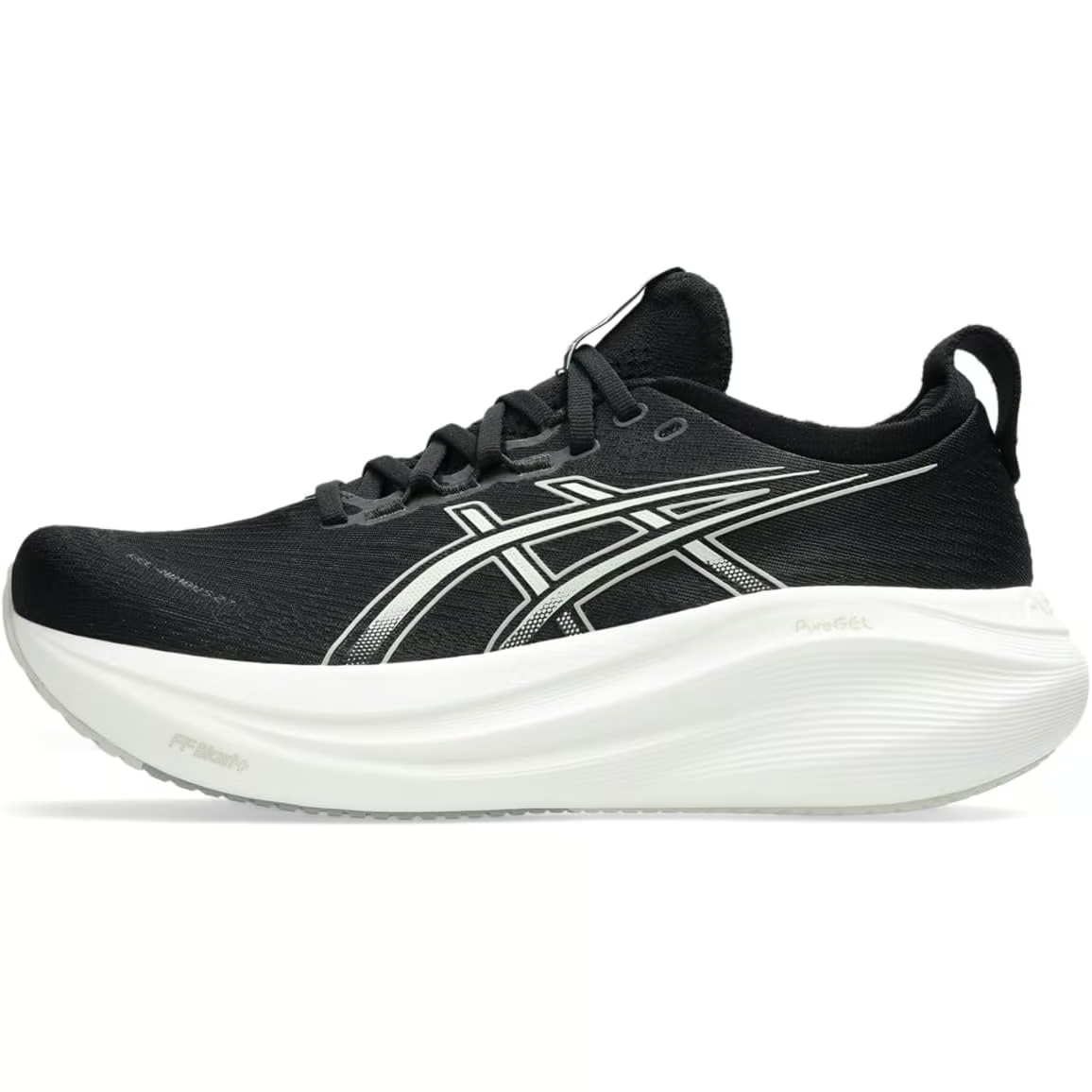
The Nimbus is ASICS’s most cushioned neutral trainer, built for long, easy kilometres and runners who want the most protection underfoot. The Gel-Nimbus 27 pairs FF Blast Plus Eco foam, made with around 24% bio-based content, with PureGEL technology for softer landings and a more responsive toe-off than the plush stack suggests.
The engineered jacquard mesh upper wraps the foot with a soft, sock-like feel, and at least 75% of the main upper material is made with recycled content. It is the shoe to look at if your legs feel beaten up after longer runs or you are heavier and want more foam between you and the road.
This listing is the women’s version, rated 4.4 stars from more than 2,100 reviews.
Pros
- Deep, soft cushioning for long runs and recovery days
- PureGEL adds softer landings without a sluggish ride
- Soft engineered jacquard mesh upper
- Upper made with at least 75% recycled content
- Well suited to heavier runners
Cons
- Too much shoe for fast sessions or short, sharp runs
- Heavier than a lightweight trainer
- Stock is thin in some colours and sizes
Key specs: Neutral max-cushion road shoe. FF Blast Plus Eco midsole with PureGEL. Engineered jacquard mesh upper. Solution-dyed sockliner. Women’s sizing.
3. Brooks Adrenaline GTS 24 – Best Stability Shoe
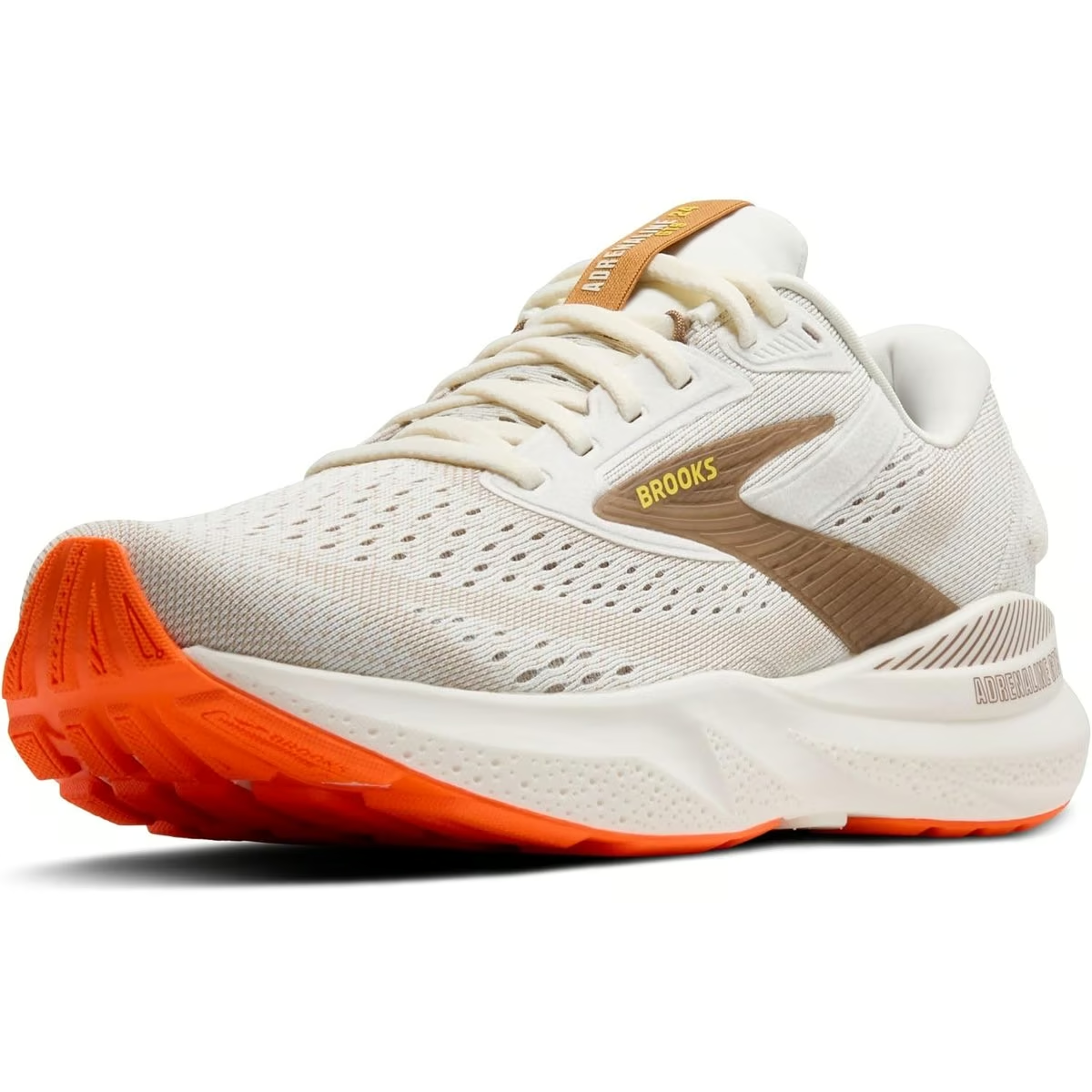
The Adrenaline GTS is the stability shoe that feels least like a stability shoe, which is why it has been Brooks’s best-known support model for years. Instead of a hard wedge of firm foam under the arch, it uses the GuideRails holistic support system, which works more like bumpers that keep the heel and knee tracking in line only when your stride starts to collapse.
The 24th version moves to the same nitrogen-infused DNA Loft v3 cushioning used in the Ghost, so it is lighter and softer than previous models. An engineered air mesh upper and a redesigned outsole and midsole keep transitions smooth.
Like the Ghost, it is a certified PDAC A5500 diabetic shoe with the APMA Seal of Acceptance, and it is rated 4.5 stars from around 5,800 reviews.
Pros
- GuideRails support that only engages when it is needed
- Softer, lighter DNA Loft v3 foam than earlier versions
- Good choice for overpronators and tired late-run form
- APMA accepted and PDAC A5500 certified
- Ships with free delivery to New Zealand
Cons
- Runners with a neutral stride do not need the extra support
- Firmer and more structured feel than a pure neutral shoe
Key specs: Stability road running shoe. GuideRails holistic support system. Nitrogen-infused DNA Loft v3 midsole. Engineered air mesh upper. APMA accepted. Men’s sizing.
4. ASICS Gel-Kayano 32 – Best Premium Stability Shoe
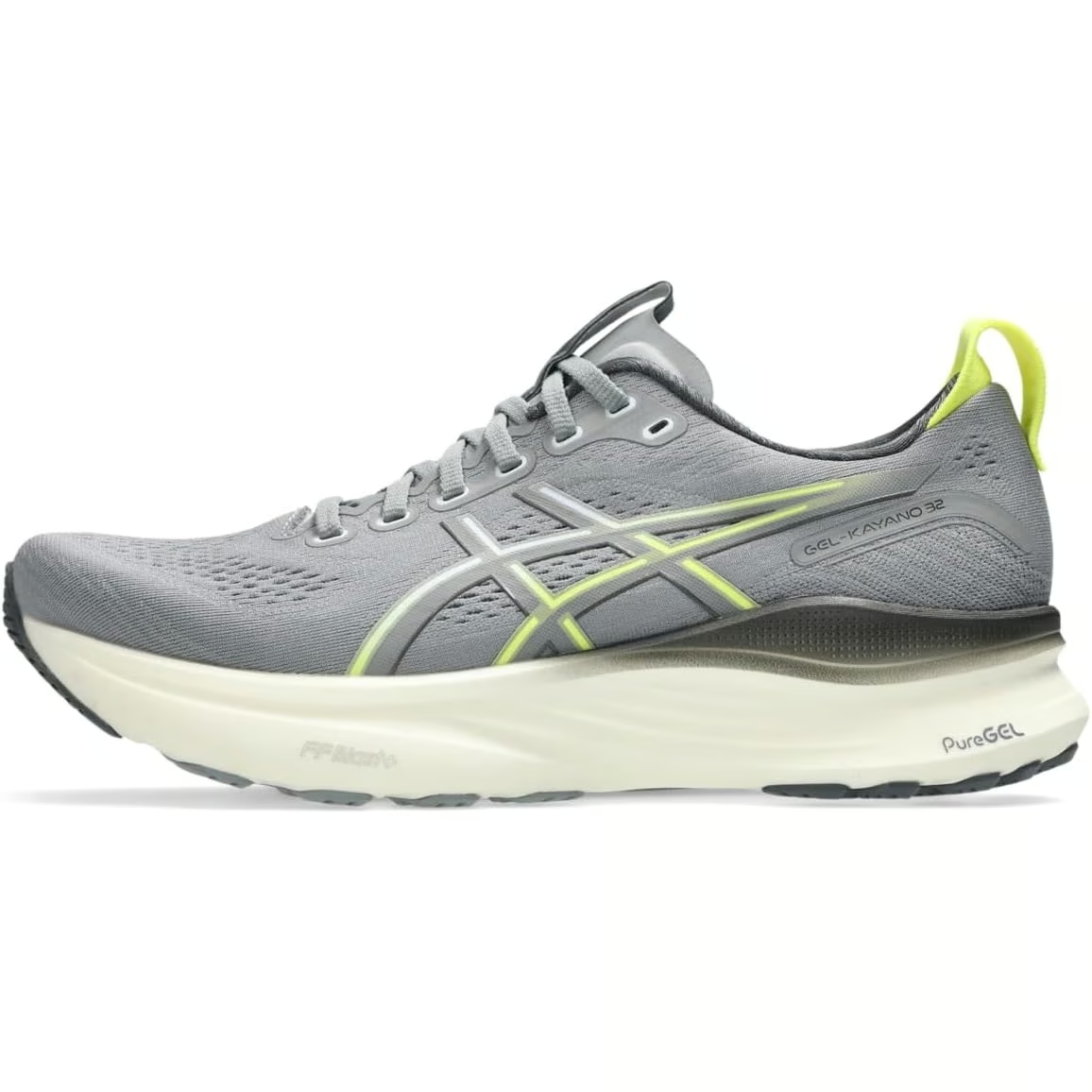
The Kayano is the other big name in stability running, and version 32 is the more cushioned, more premium alternative to the Adrenaline. Its 4D Guidance System uses a dynamic capsule in the midsole that responds under excessive load, adding stability as your form starts to fade rather than forcing your foot into place from the first step.
Underfoot, FF Blast Plus foam is paired with PureGEL in the rearfoot, which ASICS says is around 65% softer than its standard GEL. An OrthoLite X-55 footbed manages moisture and adds another layer of comfort, and a knit heel tab makes it easier to get on and off.
It is the pick for overpronators doing longer distances, rated 4.4 stars from over 1,000 reviews.
Pros
- 4D Guidance System adds stability as fatigue sets in
- Plush FF Blast Plus and PureGEL cushioning
- OrthoLite X-55 footbed for comfort and moisture control
- Lightweight engineered mesh upper with few overlays
- Well suited to long runs for overpronators
Cons
- Sits at the premium end of this guide
- Heavier and bulkier than a neutral daily trainer
Key specs: Stability road running shoe. 4D Guidance System. FF Blast Plus midsole with rearfoot PureGEL. OrthoLite X-55 footbed. Engineered mesh upper, knit heel tab. Men’s sizing.
5. HOKA Clifton 10 – Best Lightweight Cushioned Shoe
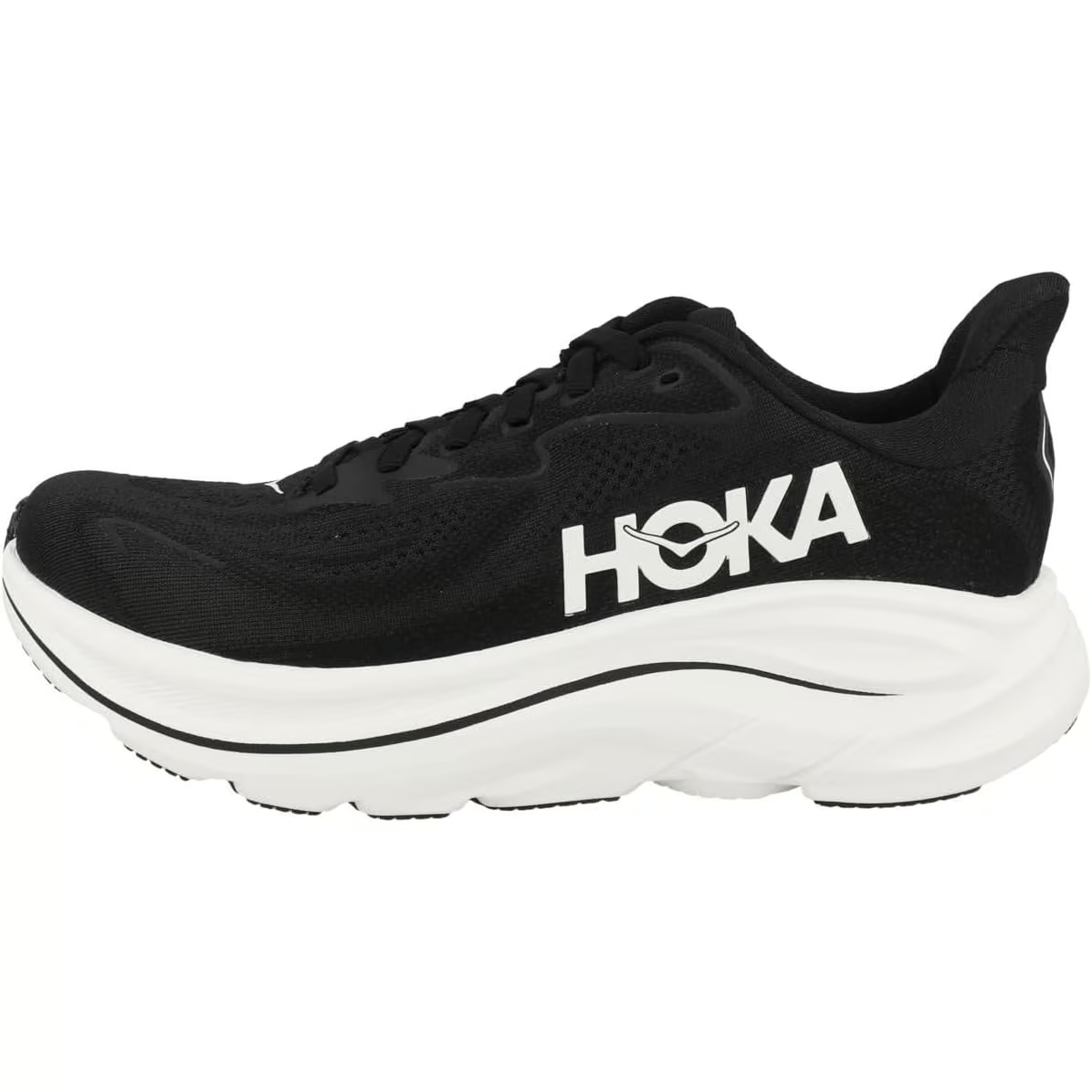
The Clifton is the shoe that made HOKA’s thick-soled look mainstream, and it remains the brand’s everyday neutral trainer. The appeal is a big, protective stack of cushioning that still feels light on the foot, with HOKA’s rocker-shaped sole helping the foot roll through each stride rather than slapping down.
It suits runners who like a soft, cushioned ride but find traditional max-cushion shoes heavy, and it doubles well as an all-day walking shoe. This listing is the women’s version in black with a synthetic upper, rated 4.5 stars from around 2,300 reviews.
Pros
- Generous cushioning without the weight of most max-cushion shoes
- Rocker-shaped sole for a smooth roll through the stride
- Comfortable for long walks as well as running
- Strong rating across a large review base
Cons
- The listing gives very little technical detail, so check the model number (1162031) matches before ordering
- Wide, high platform takes some getting used to on uneven ground
- Ships internationally, so allow longer for delivery
Key specs: Neutral road running shoe. High-stack cushioned midsole. Synthetic upper. Model 1162031. Women’s sizing (listed in AU sizes).
6. New Balance Fresh Foam X 1080 v14 – Best for Long Runs
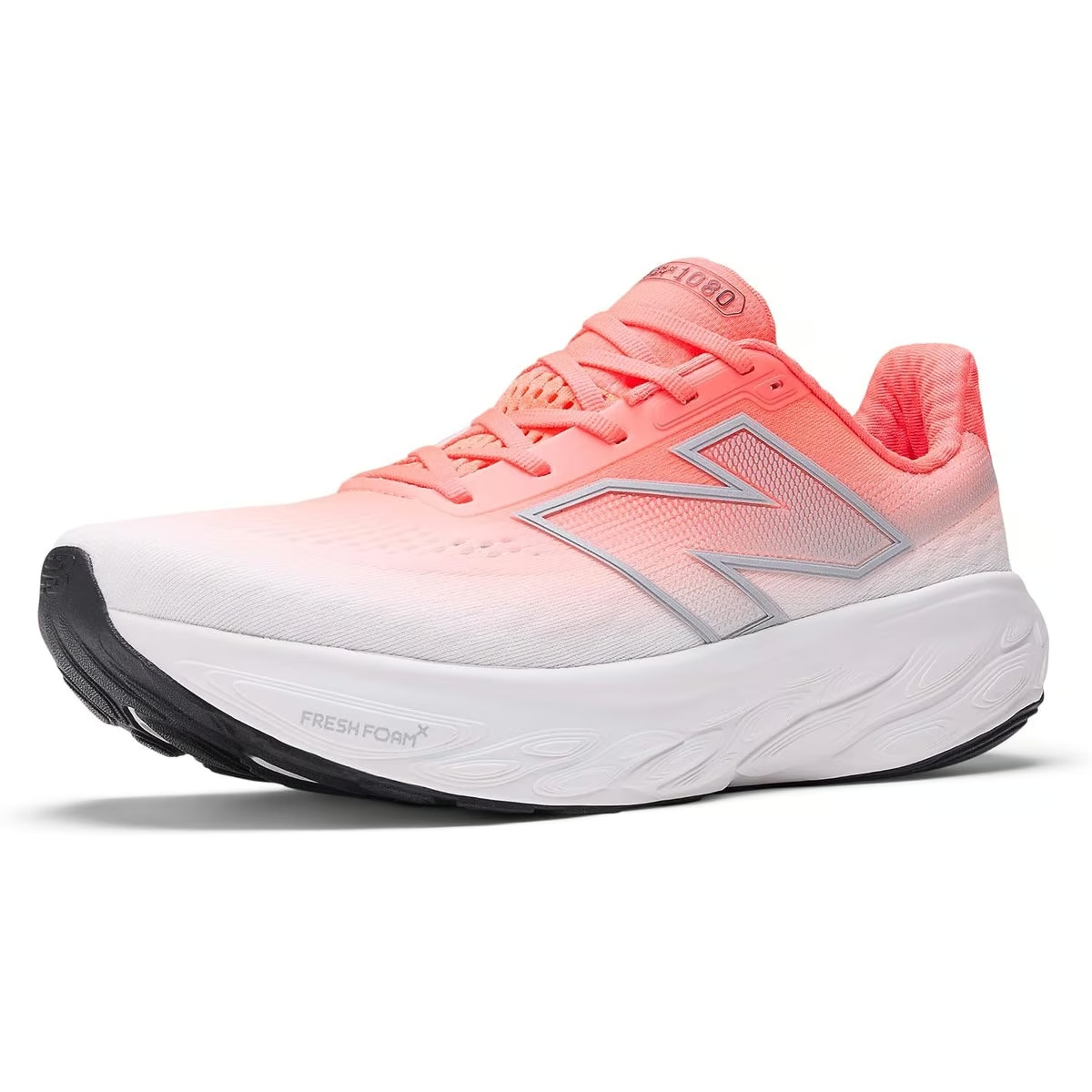
The 1080 is New Balance’s flagship cushioned trainer, and the brand describes the v14 as its most cushioned Fresh Foam experience. The Fresh Foam X midsole, with around 3% bio-based content, is soft without feeling mushy, which makes it a strong choice for long weekend runs and marathon training blocks.
A synthetic and engineered mesh upper with no-sew overlays keeps it light and free of pressure points, and a gusseted tongue stops grit and gravel working its way in. It is also one of the better-rated shoes here, with 4.6 stars from nearly 4,000 reviews.
Pros
- New Balance’s most cushioned Fresh Foam ride
- Soft but not unstable for long distances
- Gusseted tongue keeps debris out
- No-sew overlays reduce rubbing and pressure points
- One of the highest-rated picks in this guide
Cons
- Parts of the listing copy still reference the older 1080 v12 and a women’s fit, so confirm the v14 men’s model and size before buying
- Stock is thin in some colour and size combinations
- Ships internationally, so allow longer for delivery
Key specs: Neutral max-cushion road shoe. Fresh Foam X midsole (about 3% bio-based). Synthetic and engineered mesh upper. Gusseted tongue. No-sew overlays. Men’s sizing.
7. Saucony Ride 18 – Best Versatile Neutral Shoe
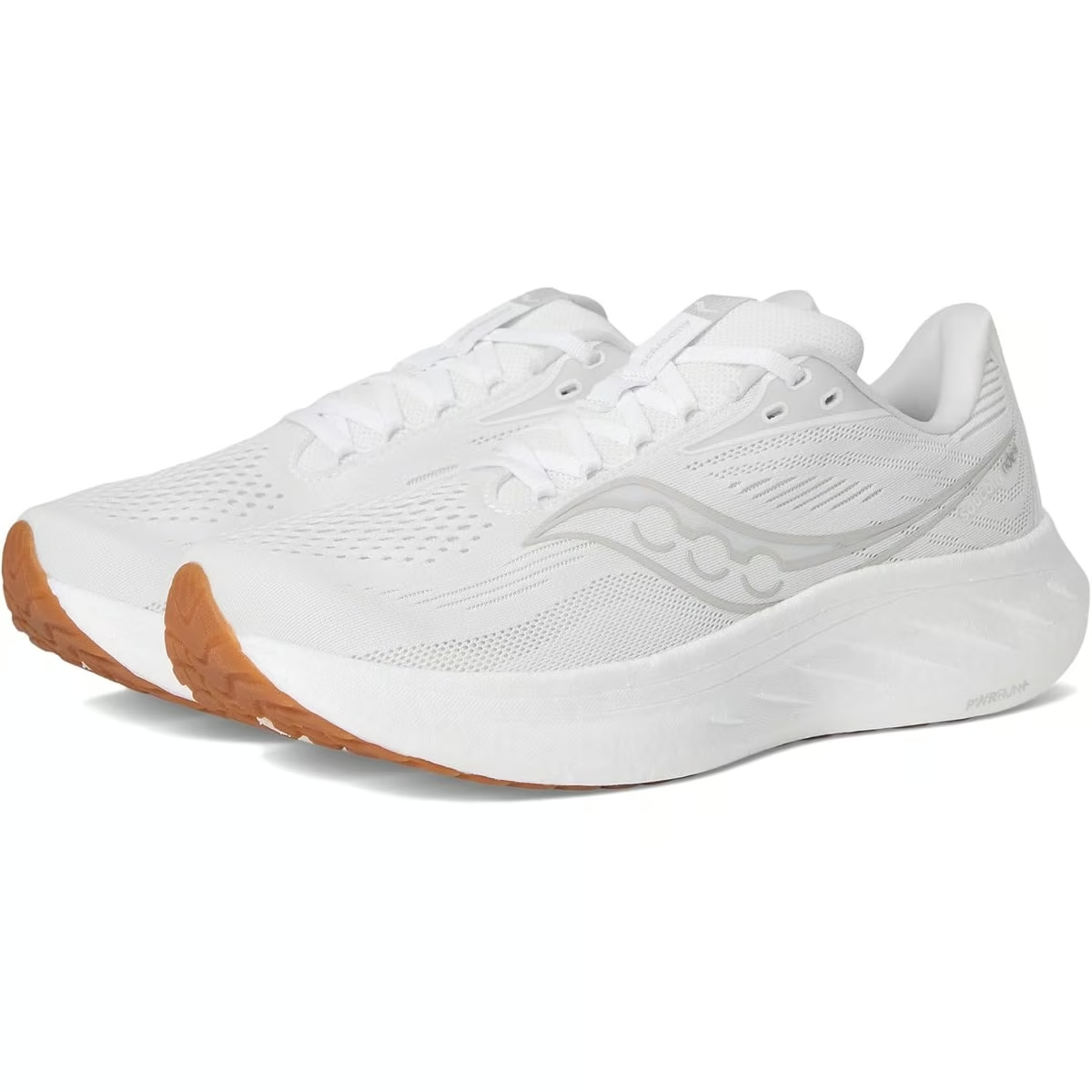
The Ride sits between a soft cruiser and a lively trainer, which makes it one of the most versatile neutral shoes you can buy. The Ride 18 uses PWRRUN+, Saucony’s beaded foam, for a blend of cushioning and durability, and an hourglass-shaped sole that keeps transitions nimble rather than sluggish.
Saucony has increased the XT-900 rubber coverage from heel to toe, which should help it last on rough New Zealand footpaths and chip-seal roads. The engineered mesh upper is clean and secure, and the 8mm offset suits runners who land anywhere from the heel to the midfoot.
This listing is the women’s version in white, rated 4.4 stars from nearly 700 reviews.
Pros
- PWRRUN+ foam balances cushioning with durability
- Nimble hourglass shape handles easy runs and quicker sessions
- More XT-900 rubber coverage for longer outsole life
- 8mm offset suits a wide range of runners
- Free delivery to New Zealand
Cons
- Not as plush as the max-cushion picks for very long runs
- White upper shows dirt quickly on trails and wet roads
- Stock is thin in some sizes
Key specs: Neutral road running shoe. PWRRUN+ beaded foam midsole. XT-900 rubber outsole. Engineered mesh upper. 8mm offset. Women’s sizing (US).
8. Nike Pegasus 41 – Best All-Rounder for Everyday Runs
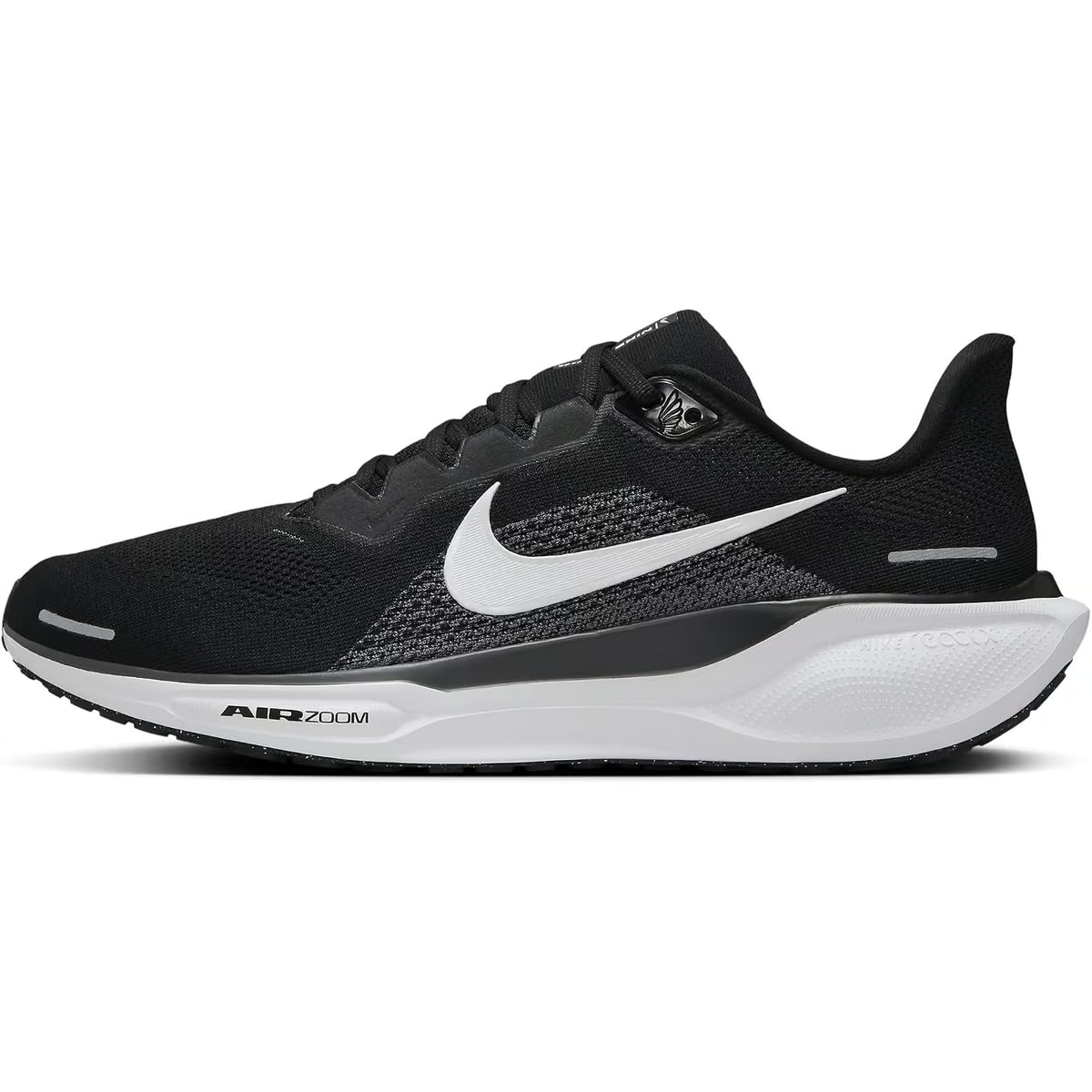
The Pegasus is one of the longest-running shoe lines in the sport, and its job has always been the same: a dependable, mid-weight neutral trainer that handles any distance. It suits runners who want one familiar pair for easy runs, parkruns and the odd faster session.
The mesh upper is breathable and uses a band through the midfoot to hug the foot and hold it steady through each phase of the stride. This listing is the men’s black, white and anthracite colourway (model FD2722), rated 4.5 stars from around 670 reviews.
Pros
- Proven, dependable everyday neutral trainer
- Mid-weight feel works for easy and faster runs
- Breathable mesh upper with a supportive midfoot band
- Free delivery to New Zealand
Cons
- The listing’s own description refers to the Pegasus 40, so check you are ordering the 41 (model FD2722)
- Less cushioned than the max-cushion shoes in this guide
- Some sizes show very low stock
Key specs: Neutral road running shoe. Mesh upper with midfoot band. Model FD2722. Men’s sizing (US).
9. Salomon Speedcross 5 – Best Trail Running Shoe
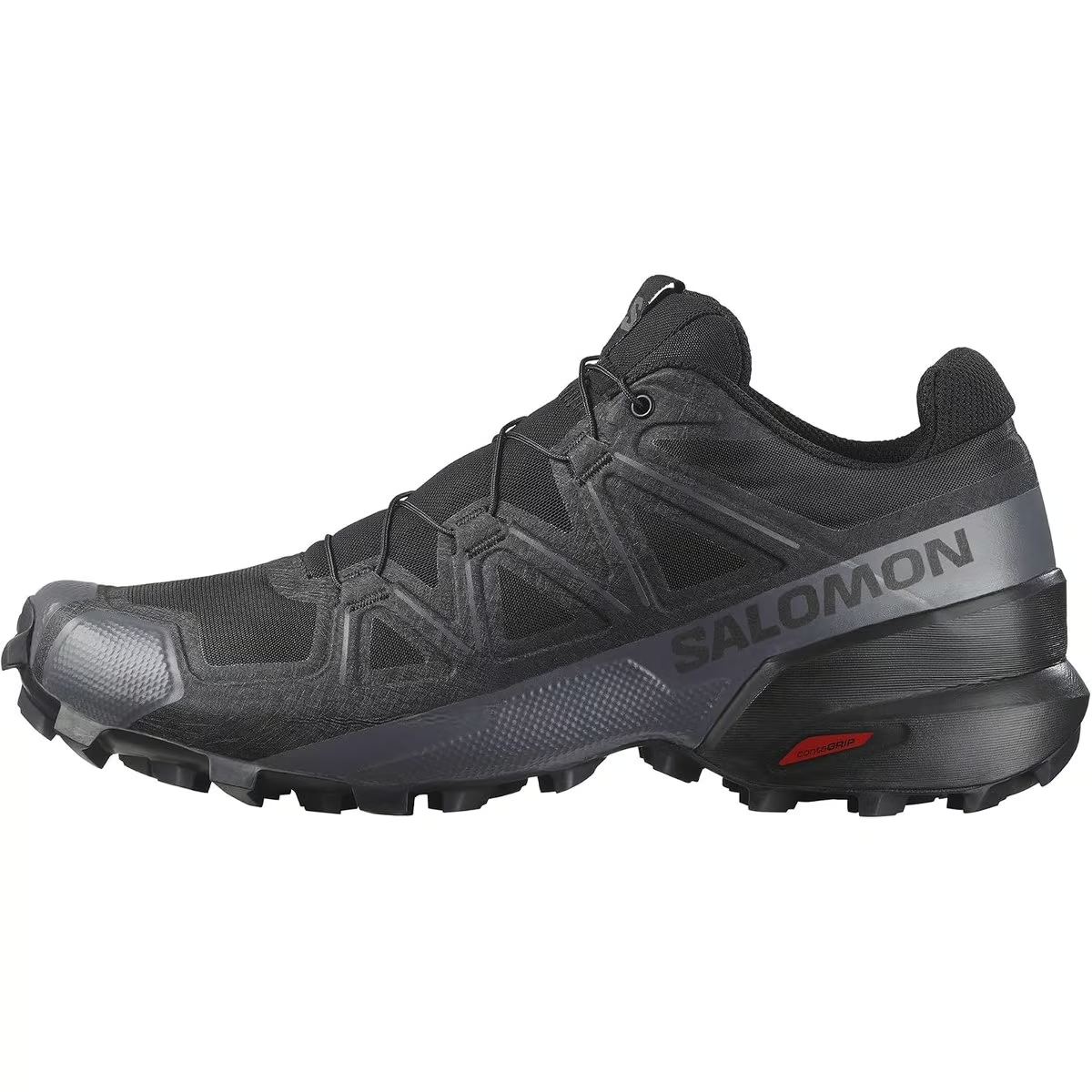
If your running takes you onto farm tracks, muddy forest trails or wet clay, a road shoe is the wrong tool, and the Speedcross is the trail shoe most people recognise. Its outsole uses larger, more widely spaced lugs that bite into soft ground and shed mud rather than clogging, with an updated geometry for better grip when pushing off and braking on descents.
A heel unit cradles the back of the foot for a clean foot strike and stability, and the fully welded upper with Salomon’s SensiFit arms holds the foot in place on off-camber ground. It also works as a light hiking shoe for day walks.
This men’s listing is in black, rated 4.5 stars from more than 1,500 reviews.
Pros
- Aggressive, widely spaced lugs grip mud and soft ground
- Better push-off and braking grip on descents
- Heel cradle and welded upper keep the foot secure
- Doubles as a light hiking shoe
- Free delivery to New Zealand
Cons
- Deep lugs feel awkward and wear quickly on footpaths and roads
- Narrower fit than most road shoes, so wide feet should try before committing
- Not waterproof, so wet tracks will soak through
Key specs: Trail running shoe. Large, widely spaced lugs. Heel cradle unit. Welded upper with SensiFit. Men’s sizing (US).
10. Under Armour Charged Surge 4 – Best Budget Running Shoe
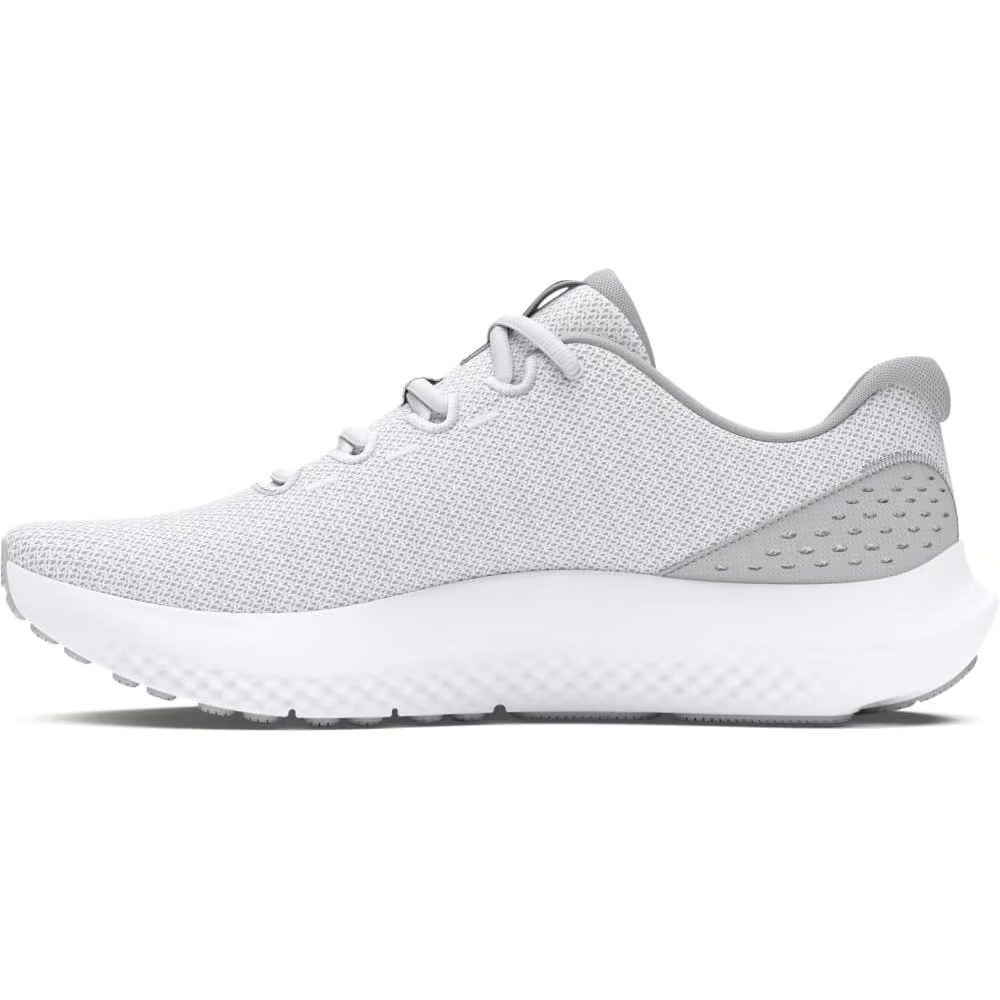
Not every runner needs a flagship trainer. For someone starting out, doing a couple of short runs a week or looking for a shoe for the gym and treadmill, the Charged Surge 4 is the most affordable pick in this guide and has by far the largest review base, with a 4.4-star rating from more than 14,000 reviews.
It uses Under Armour’s Charged Cushioning midsole for a responsive, durable ride, a breathable mesh upper with synthetic overlays for structure, and padding around the collar for comfort. A durable rubber outsole handles footpaths and gym floors.
Pros
- The most affordable pick in this guide
- Enormous review base with a strong rating
- Charged Cushioning is responsive and durable
- Works for running, treadmill and gym use
- Free delivery to New Zealand
Cons
- Simpler cushioning than the premium trainers, so less suited to long runs or high weekly mileage
- Sized in EU on this listing, so convert carefully
Key specs: Entry-level neutral running shoe. Charged Cushioning midsole. Mesh upper with synthetic overlays. Padded collar. Rubber outsole. Men’s sizing (EU).
How to choose running shoes in NZ
Start with how your foot moves, not with a brand. If your shoes wear heavily on the inside edge, or your ankles and knees drift inward as you tire, a stability shoe such as the Brooks Adrenaline GTS 24 or ASICS Gel-Kayano 32 is the safer choice. If your wear pattern is even, a neutral shoe gives a lighter, more flexible ride. A specialist running shop with a treadmill gait check can settle the question in a few minutes, and it is worth doing once even if you then buy online.
Then match cushioning to your running. Runners doing longer distances or heavier runners will appreciate a max-cushion shoe like the Gel-Nimbus 27 or 1080 v14, while shorter, quicker runs suit a more nimble shoe like the Saucony Ride 18. Match the outsole to the surface too: road shoes for footpaths and chip seal, a lugged trail shoe like the Speedcross 5 for mud and loose gravel. A road shoe on a wet clay track slips, and a trail shoe on concrete wears out fast.
Get sizing right, because it is the biggest risk when buying running shoes online. The listings in this guide use different size systems: most are US sizes, the HOKA is listed in AU sizes and the Under Armour in EU sizes, and US men’s and women’s sizes differ by about 1.5. Measure your foot length in centimetres, check it against the brand’s own size chart, and allow about a thumb’s width (1cm) at the toe because feet swell on longer runs. If you already own a pair from the same brand and model that fits, order that exact size, and check the returns policy before buying in case the fit is wrong.
Replace your shoes by distance rather than by looks, somewhere between 500 and 800 kilometres, and a GPS watch makes that easy to track. Our guides to the best fitness trackers and smart watches in NZ cover the options, and if you run indoors through winter, the treadmill guide is the next place to look.
Verdict
The Brooks Ghost 17 is the best running shoe for most people in New Zealand: a soft, smooth neutral trainer that works for new runners, experienced runners and long walks alike. If your feet roll inward, the Brooks Adrenaline GTS 24 is the most natural-feeling stability shoe, and the ASICS Gel-Kayano 32 is the more cushioned premium alternative for longer distances.
For maximum cushioning on long runs, choose between the ASICS Gel-Nimbus 27, the New Balance Fresh Foam X 1080 v14 and the lighter HOKA Clifton 10. The Saucony Ride 18 and Nike Pegasus 41 are the versatile all-rounders, the Salomon Speedcross 5 is the pick for muddy tracks, and the Under Armour Charged Surge 4 is the sensible budget choice for beginners and gym use. Whichever you choose, check the size system on the listing and confirm current stock and pricing before buying, since both change regularly.
FAQs
What are the best running shoes in NZ?
The Brooks Ghost 17 is the best all-round running shoe for most people, thanks to its soft nitrogen-infused DNA Loft v3 cushioning and versatile neutral ride. Runners who overpronate should look at the Brooks Adrenaline GTS 24 or ASICS Gel-Kayano 32, and trail runners are better served by a lugged shoe such as the Salomon Speedcross 5.
How do I know if I need a stability or neutral running shoe?
Look at the wear on an old pair of shoes. Heavy wear on the inside edge of the sole, or ankles and knees that drift inward as you tire, usually point to overpronation and a stability shoe. Even wear across the sole suggests a neutral shoe. A gait check at a specialist running shop is the most reliable way to find out and only takes a few minutes.
How often should you replace running shoes?
Most running shoes should be replaced somewhere between 500 and 800 kilometres, which is roughly 300 to 500 miles. The midsole foam loses its cushioning long before the upper looks worn, so new aches in the knees, shins or feet are often the first sign a pair is finished. Tracking your distance with a GPS watch or running app makes it easy to know when.
Should running shoes be a size bigger?
Many runners go up half a size from their everyday shoes, because feet swell during longer runs. The goal is about a thumb’s width, around 1cm, between your longest toe and the end of the shoe, with a secure heel that does not slip. Measure your foot length and check the brand’s size chart rather than assuming your usual size will fit.
Can I use road running shoes on trails?
On firm, dry gravel paths a road shoe is usually fine. On mud, wet clay, roots or loose rock, a road shoe’s smooth outsole slips and its thinner upper wears quickly, so a trail shoe with deep lugs and a tougher upper is safer. Trail shoes wear out fast on concrete, so runners who do both often keep one pair of each.
Are expensive running shoes worth it?
For regular runners, usually yes. Premium trainers use lighter, more resilient foams that stay comfortable over more kilometres, and stability models add support that entry-level shoes do not have. For beginners running a couple of times a week, or for gym and treadmill use, a well-reviewed budget shoe such as the Under Armour Charged Surge 4 is perfectly adequate.
