
The best pressure cooker in NZ overall is the Instant Pot Duo Plus, thanks to its wide 8 litre capacity and genuinely versatile 13 smart programs.
Pressure cookers cut cooking time for stews, curries, rice and tough cuts of meat, without the constant watching a stovetop pot demands.
Kiwi kitchens have largely shifted from old-style stovetop cookers to programmable electric multicookers that pressure cook, slow cook, steam and saute in one benchtop unit, sitting alongside other fast countertop staples like air fryers.
This guide ranks seven pressure cookers sold in NZ, based on real specifications and owner reviews sourced from New Zealand and Australian retailers. Each pick includes genuine trade-offs rather than marketing claims, so shoppers can match a model to their household size and cooking style.
Quick comparison
| Rank | Product | Best for | Capacity | Standout feature |
|---|---|---|---|---|
| 1 | Instant Pot Duo Plus | Best overall | 8L | 13 smart programs, stainless inner pot |
| 2 | Breville Fast Slow Pro | Best for precise control | 6L | Dial-adjustable pressure, dual sensors |
| 3 | Russell Hobbs Multicooker | Best budget pick | 6L | 11 functions, dishwasher-safe non-stick pot |
| 4 | Breville the Fast Slow GO | Best for effortless one-touch cooking | 6L | 14 one-touch presets, odour-resistant steel bowl |
| 5 | Ninja HYPERheat Multicooker | Best for big batches | 6L | 1200W HyperHeat element, sous vide mode |
| 6 | Crock-Pot Express Crock XL | Best all-rounder for everyday meals | 7.6L rated | 14 functions, glass lid included |
| 7 | Midea Pressure Cooker | Best compact pick | 5L | 10 menus, one-knob control |
1. Instant Pot Duo Plus – Best Overall
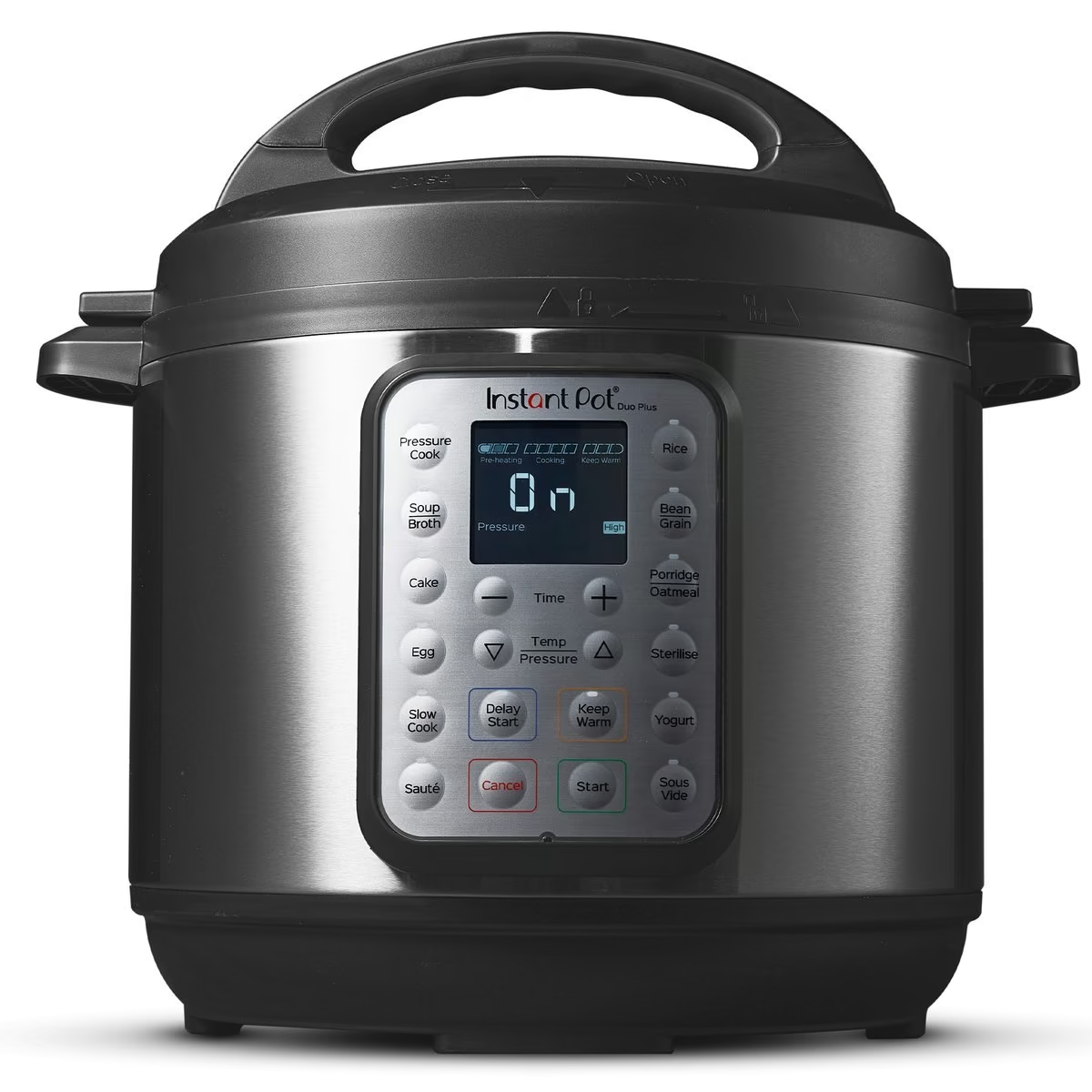
The best pressure cooker in NZ overall is the Instant Pot Duo Plus, an 8 litre electric multicooker built for families who want one appliance to replace several. It measures 380mm wide, 365mm high and 335mm deep, weighs 6.8kg, and its stainless steel body gives it a solid, no-nonsense look on the benchtop rather than a glossy finish.
The inner pot is 304-grade stainless steel with a tri-ply base, not the Teflon-coated bowls found on cheaper multicookers, so owners feel comfortable scrubbing it with steel wool when food catches. A black-on-white display tracks progress through preheating, cooking and keep warm, and the EasySeal lid locks down before the WhisperQuiet steam release vents at the end of a cycle.
Testers found the wide, shallow shape of the 8 litre bowl easier to saute onions and mince in than the taller bowls on some rivals, since more of the base sits in contact with the heating element. With 13 smart programs covering pressure cook, slow cook, rice, yoghurt, sous vide and sterilising, it suits households that batch-cook as well as those who just want faster stews.
The trade-off is finish consistency. Several owners report the inner pot rim feels sharp to the touch while cleaning, and the stainless base can discolour or scorch after only a handful of uses, which makes it look older than it is faster than expected.
Pros
- Wide 8L stainless steel inner pot handles sauteing better than taller bowls
- 13 smart programs cover pressure cook, slow cook, rice, yoghurt and sous vide
- WhisperQuiet steam release is quieter than typical valve-vent designs
Cons
- Inner pot rim can feel sharp and the base can discolour after light use
- Build quality and value scores trail its strong cooking-performance scores
Key specs: 8L capacity, 13 smart programs, 1000-1200W, model 113-0063-01-AU, 12 month warranty.
2. Breville Fast Slow Pro – Best for Precise Control
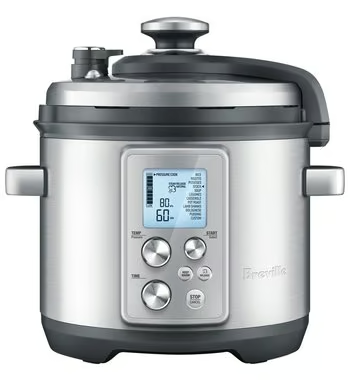
The Breville Fast Slow Pro suits shoppers who want to fine-tune pressure and time rather than rely on presets, thanks to 11 individually adjustable pressure-cook settings. Its brushed stainless steel body with black trim measures 348mm deep, 323mm wide and 343mm high and weighs 6.3kg, giving it a noticeably premium look next to plainer plastic multicookers.
The 6 litre bowl is ceramic-coated aluminium rather than stainless steel, so it releases food easily and doubles as a serving dish, and the lid uses a Triple Safe construction that comes apart for dishwasher cleaning. A large LCD display shows pressure, temperature and a countdown timer, and dual sensors at the top and bottom of the bowl monitor cooking in real time, which is unusual at this end of the multicooker market.
Testers found the auto steam release genuinely useful, choosing between quick, pulse or natural venting depending on what is cooking, though several owners describe the release itself as loud, and one independent test measured it near 72 decibels. Slow cooking is where this model consistently scores best with owners, ahead of its sauteing and pressure-cooking results.
The main trade-off is reliability over time. A recurring complaint across owner reviews is a lid-not-sealed error appearing 20 to 25 minutes into pressurising, and some report the fault returning even after a replacement gasket.
Pros
- 11 adjustable pressure settings and dual sensors for precise cooking
- Ceramic-coated bowl and Triple Safe lid are dishwasher-safe
- Strong slow-cook results praised consistently by owners
Cons
- Steam release is loud, measured near 72 decibels in independent testing
- Recurring lid-seal error reported by multiple long-term owners
Key specs: 6L ceramic-coated bowl, 11 pressure settings, model BPR700BSS, 1100W, 1 year warranty.
3. Russell Hobbs Multicooker – Best Budget Pick
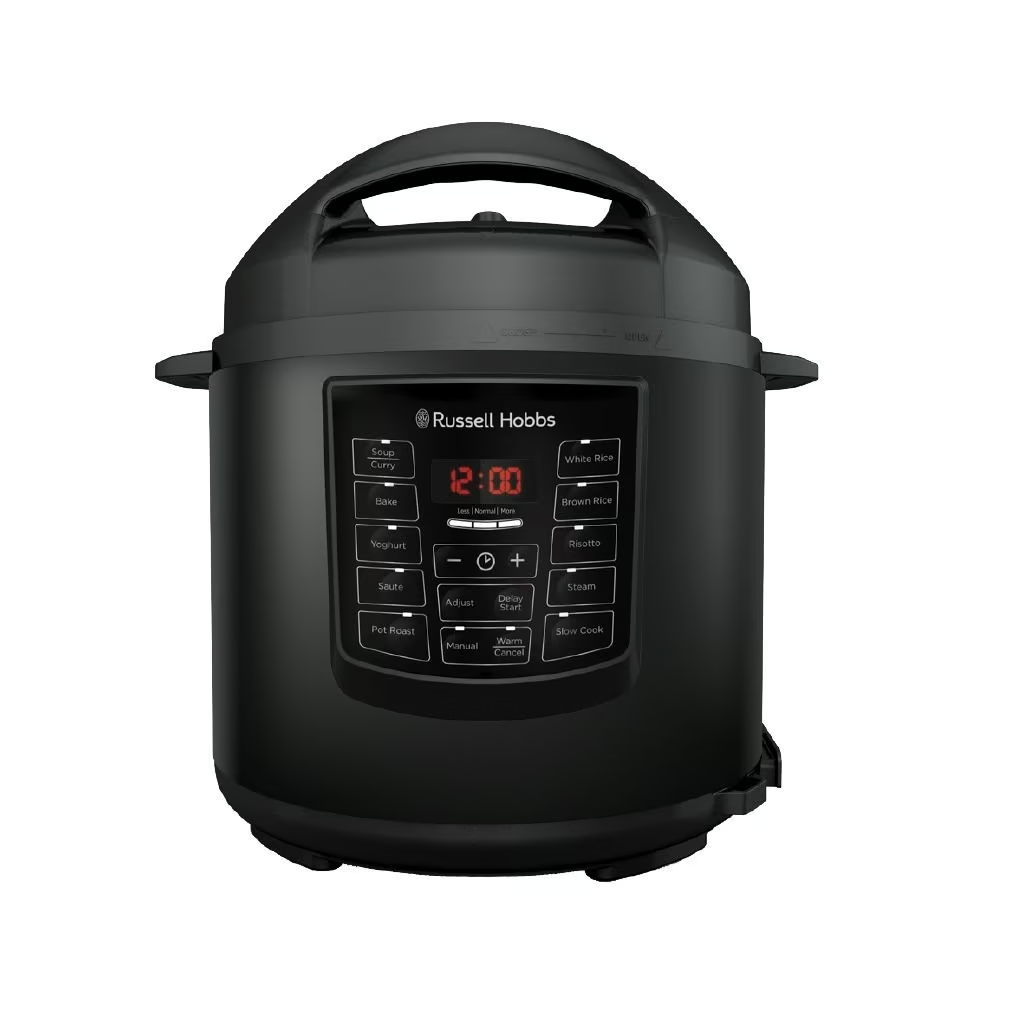
The Russell Hobbs Multicooker is the pick for shoppers who want genuine pressure cooking without paying for extras they will not use. Its matte black housing measures 340mm deep, 300mm wide and 320mm high and weighs 6.76kg, giving it a compact footprint that suits smaller kitchens.
The 6 litre bowl is non-stick rather than stainless steel, which means it wipes clean quickly and is dishwasher-safe, though it will not take the scrubbing a stainless pot can. Controls are physical buttons rather than a touchscreen or dial, with eight pressure programs including soup, pot roast, rice and risotto, plus saute, slow cook and yoghurt modes that run without pressure.
Testers found the twist-lock lid and pressure release valve straightforward once familiar with it, though the locking arrows are the same matte black as the body, making them genuinely hard to see in dim kitchen lighting. Owners consistently praise how easily the pot and lid come apart for cleaning, and rate curries, pot roasts and risotto as standout results.
The clearest trade-off is the saute function, which several owners say struggles to properly brown meat or bring liquid to a strong simmer, so a separate frying pan is often still needed beforehand. Cook times also do not include the 10 to 20 minutes the unit needs to reach pressure.
Pros
- Strong value with 11 total functions and a dishwasher-safe non-stick pot
- Easy to clean, with pot and lid components separating simply
- Owners rate curries, pot roasts and risotto highly
Cons
- Weak saute function struggles to brown meat properly
- Locking arrows are hard to see against the matte black housing
Key specs: 6L non-stick bowl, 11 functions, model RHPC3000, 2 year warranty.
4. Breville the Fast Slow GO – Best for Effortless One-Touch Cooking
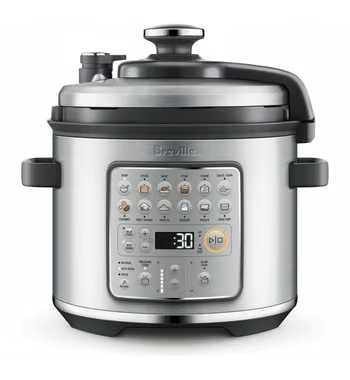
The Fast Slow GO suits shoppers who want Breville build quality without learning a dial-based interface, since every function runs from a one-touch preset rather than manual pressure adjustment. It shares its 6.6kg weight and brushed stainless steel finish with the Fast Slow Pro, measuring 350mm deep, 310mm wide and 330mm high, with a black trim and 3-way safety locking system.
Unlike the Pro bowl, the GO uses a plain 6 litre stainless steel pot with no non-stick coating, which owners say resists holding onto curry and garlic smells between uses, though it needs a little more scrubbing after sticky dishes. Fourteen presets cover pressure cook, slow cook, sear, steam, rice, risotto, yoghurt and sous vide, selected from a button-based digital panel that can toggle between metric and imperial units.
Testers found the three hands-free steam release settings, natural, pulse and auto quick, made venting simple without hovering over the unit, and owners rate cleaning and maintenance as the strongest part of the experience thanks to the dishwasher-safe bowl and trivet.
The trade-off shows up in extras and finish details. It ships without a recipe book, unlike the Pro, which several first-time buyers found unhelpful, and a minority of owners describe the front control knobs as feeling cheap to turn despite the solid body.
Pros
- 14 one-touch presets including a sous vide shortcut
- Stainless steel bowl resists retaining food odours
- Hands-free steam release with three venting options
Cons
- No recipe book included, unlike the Fast Slow Pro
- Control knobs feel cheap to a minority of owners
Key specs: 6L stainless steel bowl, 14 one-touch presets, model BPR680BSS, 1 year warranty.
5. Ninja HYPERheat Multicooker – Best for Big Batches
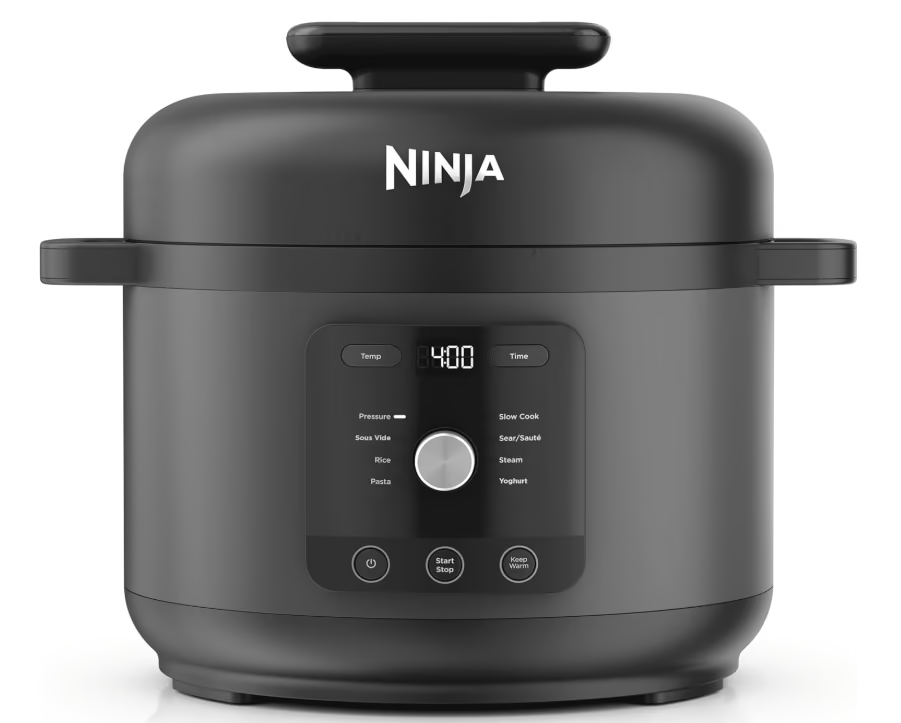
The Ninja HYPERheat Multicooker suits larger households that regularly cook whole chickens, big roasts or meals for eight to ten people. Its dark grey housing measures 370mm wide, 365mm deep and 315mm high, weighs 6.6kg, and uses a dial-plus-button control layout that differs from Ninja simpler entry-level models.
The 6 litre SimpliServe pot is aluminium with a ceramic non-stick coating that is PFAS-free, removable and dishwasher-safe, and it doubles as a serving dish thanks to its cook-to-table design. A 1200W HyperHeat element is the standout spec here, building pressure and cooking meals up to twice as fast as a standard slow cooker, with quinoa ready in around 5 minutes and white rice in around 8 minutes once at pressure.
Testers found the nine programs, including pressure cook, sous vide, slow cook, sear and steam, cover most weeknight cooking without needing a second appliance, and the end-of-cycle alert is noticeably shorter and quieter than the alarms on older multicookers. Owners praise how easily the pot lifts out for cleaning and how consistently rice and pasta modes perform.
As a genuinely new release, the trade-off is limited long-term track record, and it has no air-fry function, so buyers expecting a pressure cooker and air fryer combo in one unit will need to look elsewhere.
Pros
- 1200W HyperHeat element builds pressure and cooks noticeably faster
- PFAS-free ceramic pot is removable, dishwasher-safe and serve-ready
- Quiet, short end-of-cycle alert compared with older multicookers
Cons
- Limited long-term reliability track record as a new release
- No air-fry function despite the multicooker positioning
Key specs: 6L ceramic non-stick pot, 9 programs, 1200W, model PC201ANZ, 2 year warranty.
6. Crock-Pot Express Crock XL – Best All-Rounder for Everyday Meals
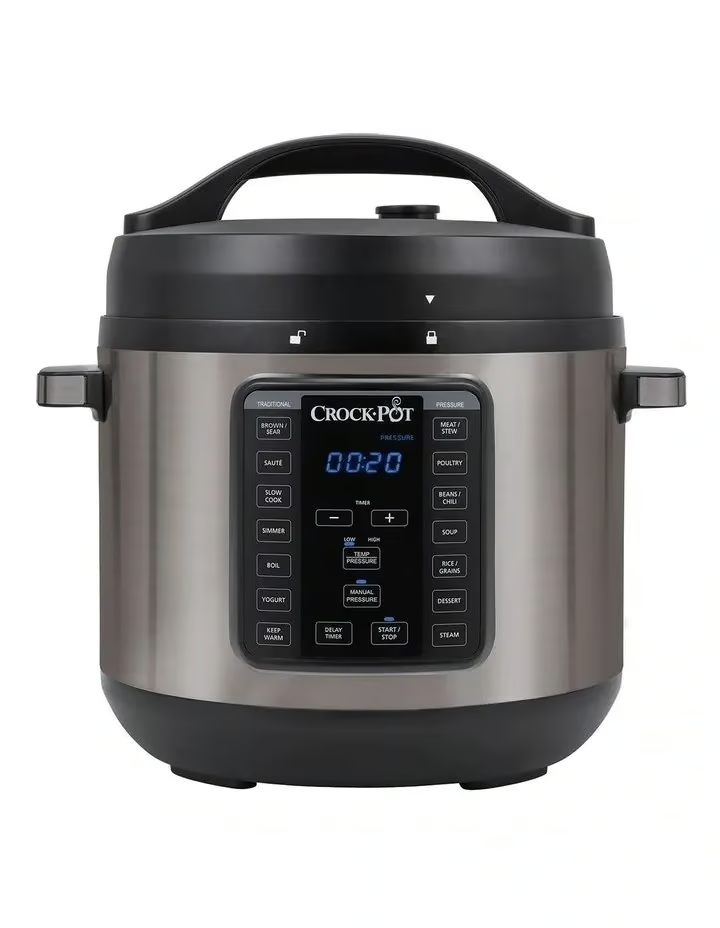
The Crock-Pot Express Crock XL suits shoppers who want one dependable appliance for both slow-cooked and pressure-cooked meals without extra features they will not touch. Its dark stainless steel body measures 395mm high, 370mm wide and 350mm deep and weighs 9.2kg, noticeably heavier than most other picks here, which gives it a solid, stay-put feel on the benchtop.
Rated at 7.6 litres, the practical usable capacity sits closer to 5.5 to 6 litres once the maximum fill line is accounted for, so it cooks similar quantities to the 6 litre models in this list rather than the family-size batches its headline figure suggests. The non-stick inner pot is dishwasher-safe, and the set includes a glass lid, steam rack, measuring cup and recipe book, which several rivals do not bundle in.
Testers found the digital panel 14 functions, covering pressure cook, saute, slow cook, steam and dedicated presets for meat, poultry, beans and rice, straightforward to operate, and owners consistently describe meat as falling off the bone after pressure cooking. Pressure release on starchy foods like rice or pasta can sound spluttery, which is normal rather than a fault.
The genuine trade-off is the sealing ring, which multiple owners report can fail to seat properly over time, leading to inconsistent pressurising, and a few note early surface rust on the stainless exterior in humid conditions.
Pros
- 14 functions plus a bundled glass lid, steam rack and recipe book
- Owners consistently praise how tender meat turns out
- Solid, heavier build that stays put on the benchtop
Cons
- Sealing ring can fail to seat properly over time
- Practical capacity is smaller than the 7.6L rating suggests
Key specs: 7.6L rated capacity, 14 functions, model CPE300, 1 year warranty.
7. Midea Pressure Cooker – Best Compact Pick
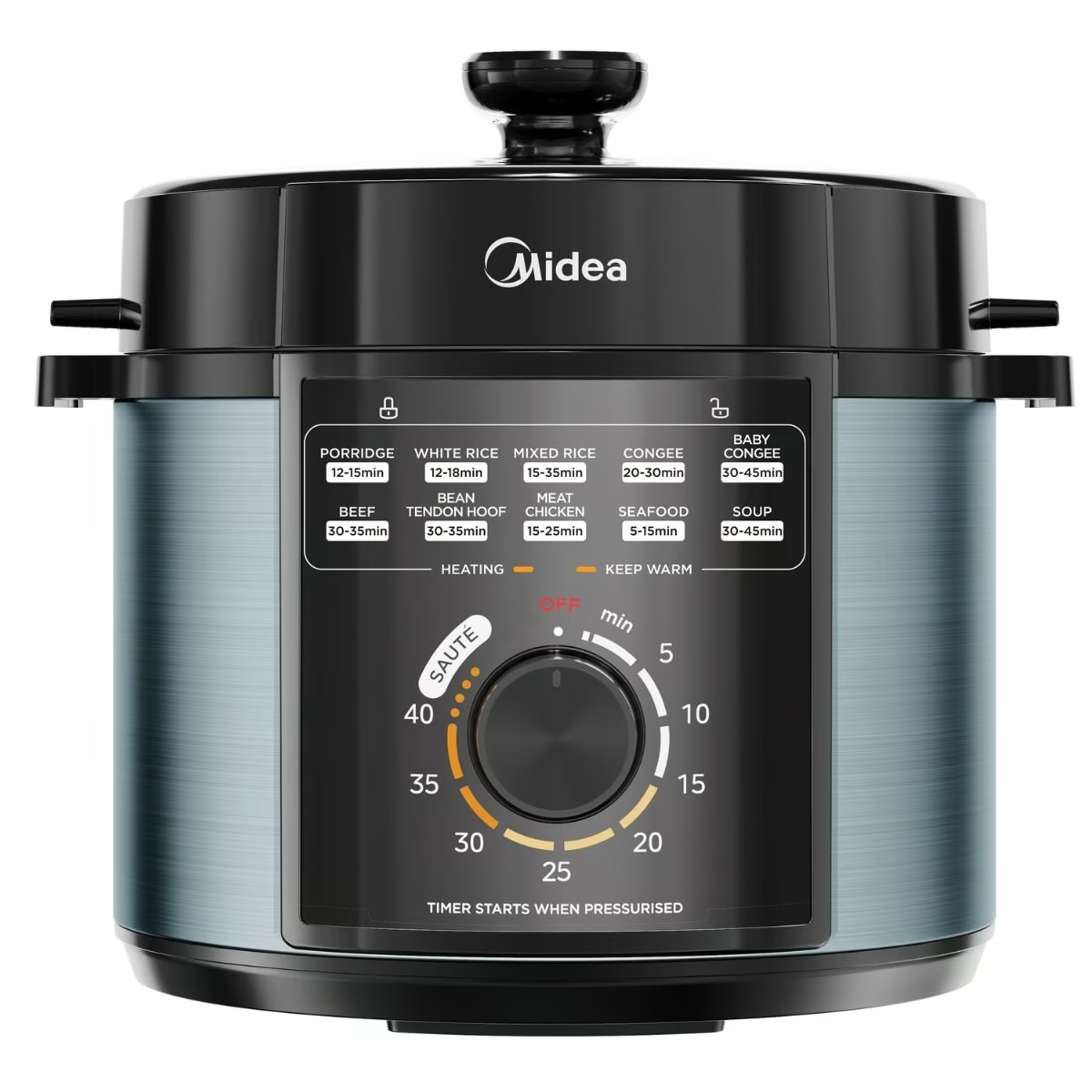
The Midea Pressure Cooker suits smaller households or anyone short on benchtop space, thanks to a compact 5 litre bowl and a single control knob that keeps the interface simple. It is designed for busy Kiwi households that want fast, no-fuss meals rather than a long list of settings to learn.
Ten pre-programmed menus cover everyday dishes including rice, soups and stews, selected with the one-knob control rather than a touchscreen or multiple buttons, which testers found made it approachable for first-time pressure cooker buyers. The non-stick inner pot and accessories are dishwasher-safe, cutting down on hands-on cleaning after each use, and a safety system locks the lid while the unit is under pressure.
Because it sits at the smaller end of the multicooker market, portion sizes suit one to three people rather than a full family roast, and the smaller 5 litre bowl gives less room for browning larger cuts of meat before pressure cooking than the 6 to 8 litre models in this list. Owners looking for yoghurt-making, sous vide or sear-specific modes will not find them here, since Midea keeps the function list deliberately short.
For anyone who wants a straightforward, easy-to-clean pressure cooker without a steep learning curve, this compact option covers the essentials well.
Pros
- Simple one-knob control suits first-time pressure cooker buyers
- Dishwasher-safe non-stick pot and accessories
- Long combined warranty of 24 months plus a 12 month extension
Cons
- 5L bowl suits one to three people, not a full family roast
- No yoghurt, sous vide or sear-specific modes
Key specs: 5L non-stick bowl, 10 menu programs, model MPM50010ADKH, one-knob control, 24 month manufacturer warranty plus 12 month extension.
How to choose a pressure cooker in NZ
Start with capacity. A 5 to 6 litre bowl suits most NZ households of two to four people, while a 7 to 8 litre model is worth the extra benchtop space if cooking for five or more, or if batch-cooking for the freezer is a regular habit.
Decide how much control matters. Dial-based models with adjustable pressure levels, like the Breville Fast Slow Pro, suit cooks who like to fine-tune recipes, while one-touch presets, like the Fast Slow GO or the Midea, suit anyone who wants to press a button and walk away.
Check the bowl material. Stainless steel bowls resist picking up smells from curries and garlic-heavy dishes and can be scrubbed harder, while non-stick and ceramic-coated bowls release food more easily and are gentler to clean but wear down over years of heavy use. Shoppers who also fry regularly might compare notes with our guide to deep fryers before deciding which appliance earns the bench space.
Look for practical safety features. A locking lid, pressure release valve and auto shut-off sensor are standard across the models in this guide, but some owners still find lid alignment or seal replacement fiddly, so checking reviews for a specific model real-world reliability is worth the extra five minutes.
Factor in noise and cleanup. Steam release is the loudest part of any pressure cooker cycle, and dishwasher-safe bowls and lids save real time on a weeknight.
Related guides
For a browned-and-crisped alternative to pressure cooking, our guide to electric frypans covers stovetop-style searing and one-pan meals.
Shoppers building out a full benchtop lineup may also want to check our picks for food processors, which handle prep work a pressure cooker cannot.
Those who bake pizza at home alongside slow-cooked meals can compare options in our pizza ovens guide.
For fresh juices to round out a healthier meal routine, our juicers guide breaks down the top NZ options.
Pressure cooking produces excellent filling and no pastry whatsoever, which is where a pie maker takes over. These cook everything before it reaches the table, whereas a raclette grill keeps the cooking in front of the guests for the whole meal. Speed is the entire selling point here, so it is worth knowing that sous vide machines trade in the opposite direction, buying precision with hours.
Verdict
For most NZ households, the Instant Pot Duo Plus remains the best overall pick thanks to its wide 8 litre bowl, genuine versatility and stainless inner pot. Shoppers who want dial-precise control should look at the Breville Fast Slow Pro, while anyone on a tighter budget gets a capable all-rounder in the Russell Hobbs Multicooker.
Smaller households are better matched to the compact Midea Pressure Cooker, and families who cook in bulk should weigh up the Ninja HYPERheat Multicooker or the Crock-Pot Express Crock XL. Every model here comes with genuine trade-offs, so matching capacity and control style to household size and cooking habits matters more than chasing the longest feature list.
Frequently Asked Questions
What can you cook in a pressure cooker?
Pressure cookers handle soups, stews, curries, rice, beans and tougher cuts of meat particularly well, since the sealed, pressurised environment cooks food faster than boiling or roasting. Many electric models also slow cook, steam, saute and make yoghurt, so one appliance can cover several cooking methods that would otherwise need separate equipment on the benchtop.
What size pressure cooker should I buy?
Most New Zealand households of two to four people are well served by a 5 to 6 litre pressure cooker, which fits typical weeknight meals without wasting benchtop space. Families of five or more, or anyone who batch-cooks for the freezer, generally get more use from a 7 to 8 litre model instead.
Is a pressure cooker the same as a slow cooker?
No. A slow cooker uses low, steady heat over several hours for a hands-off result, while a pressure cooker seals in steam under high pressure to cook the same dish in a fraction of the time. Many multicookers sold in NZ combine both functions in one unit, so buyers do not have to choose.
What is the difference between a pressure cooker and a multi cooker?
A pressure cooker only pressure cooks, while a multi cooker adds pressure cooking as one of several functions, alongside slow cooking, rice cooking, steaming, sauteing and sometimes yoghurt making. Most electric models sold in NZ today are multi cookers, since shoppers generally prefer one appliance that covers multiple cooking styles.
How long does rice take to cook in a pressure cooker?
White rice typically cooks in around 3 to 8 minutes at pressure, depending on the model and rice type, followed by a natural release of roughly 10 minutes before opening the lid. This does not include the 10 to 20 minutes most electric pressure cookers need to first build up to pressure.
Can you brown or sear meat in a pressure cooker before cooking?
Most electric multicookers include a saute or brown setting that lets you sear meat directly in the same pot before switching to pressure cook, saving on extra dishes. It is not strictly necessary, since the pressure cooking process still produces tender results, but browning first adds deeper flavour to stews and roasts.
Are pressure cookers safe, and can they explode?
Modern electric pressure cookers are generally safe when used as directed, with locking lids, pressure release valves and auto shut-off sensors built in as standard. Serious incidents are rare and usually linked to faulty components or opening the lid before pressure has fully released, rather than normal use of a well-maintained unit.
Are pressure cookers a healthy way to cook?
Pressure cooking uses less water than boiling and shorter cooking times than roasting or simmering, which helps food retain more vitamins and minerals than some conventional methods. It also needs little to no added fat for tender results, making it a practical option for anyone cooking lower-fat meals at home regularly.
