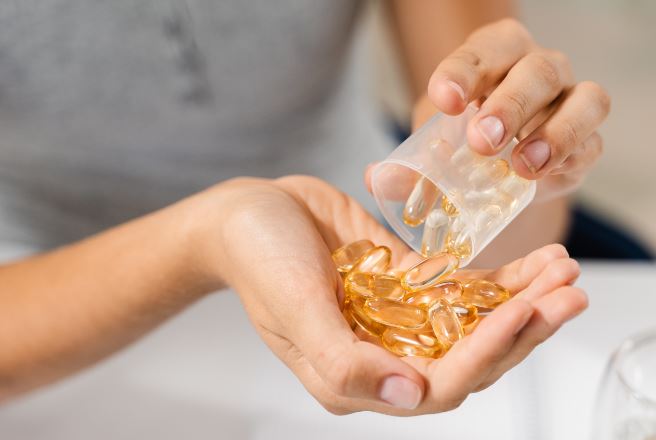
The best omega-3 supplement in NZ overall is GO Healthy’s GO Fish Oil 2000mg, thanks to its compact, easy-swallow capsule and a large 200-count bottle that makes daily supplementation genuinely sustainable. For a stronger daily dose, BePure Three and Blackmores Omega Triple both concentrate more EPA and DHA into fewer capsules, Nutra-Life’s Fish Oil 1500mg Plus Vitamin D adds bone and immune support, and The Good Vitamin Co’s Kids Good Omega3 covers the youngest members of the household with a vegan, chewable option.
Omega-3 fatty acids, primarily EPA and DHA from marine sources, support heart, brain, joint and eye health, and most New Zealanders don’t eat the recommended two servings of oily fish a week to get enough from diet alone. This guide compares five NZ pharmacy-stocked omega-3 supplements in detail: real ingredient breakdowns, sourcing, dosing and honest trade-offs, so shoppers can pick the right one for their household rather than guessing from a marketing blurb.
Quick comparison
| # | Product | Best for | Format | Omega-3 per serve (EPA/DHA) |
|---|---|---|---|---|
| 1 | GO Healthy GO Fish Oil 2000mg | Best value everyday fish oil | 200 compact softgels | 620mg (360 EPA / 240 DHA) per capsule |
| 2 | BePure Three | Best premium high-strength | 60 softgels | 1400mg (800 EPA / 600 DHA) per 2-capsule serve |
| 3 | Nutra-Life Fish Oil 1500mg + Vit D | Best for added vitamin D | 180 softgels | 450mg (270 EPA / 180 DHA) per capsule, plus vitamin D3 |
| 4 | Blackmores Omega Triple | Best max strength in one capsule | 75 softgels | 900mg (540 EPA / 360 DHA) per capsule |
| 5 | The Good Vitamin Co Kids Good Omega3 | Best for kids | 90 vegan soft chews | 40mg ALA omega-3 per chew (flaxseed, not fish-derived) |
The 5 best omega-3 supplements in NZ
1. GO Healthy GO Fish Oil 2000mg – Best Value Everyday Fish Oil
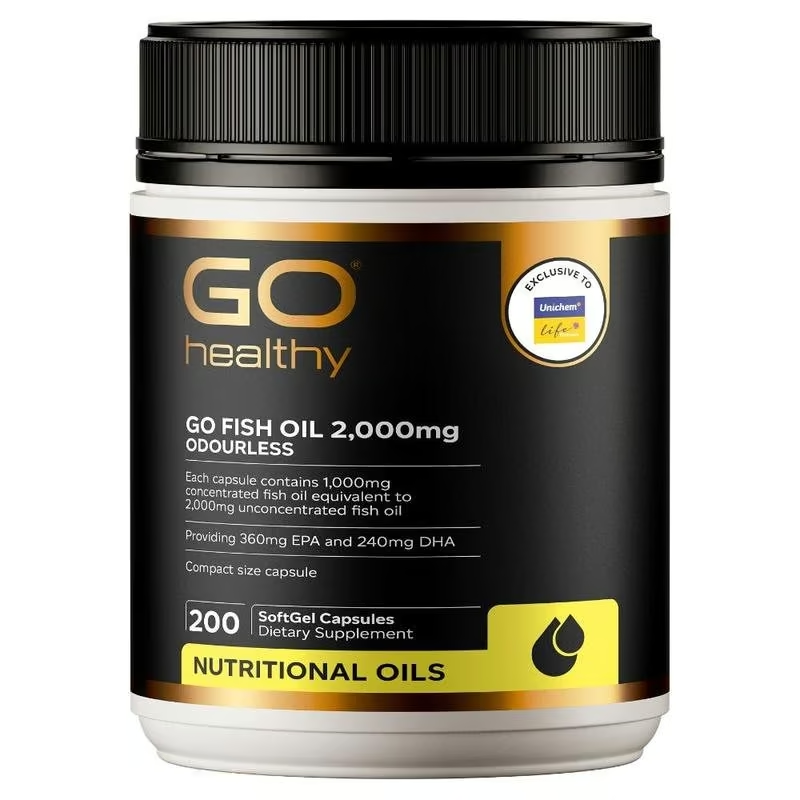
GO Healthy’s GO Fish Oil 2000mg earns its spot through sheer practicality: a large 200-capsule bottle of compact, easy-to-swallow softgels that will outlast most rivals on this list. Testers found the capsule noticeably smaller than its 2000mg label suggests. GO Healthy compresses the oil into a shell roughly half the size of a typical high-strength fish oil capsule, which matters for anyone who struggles with big pills.
The bottle itself is a standard opaque plastic jar, unremarkable to look at but sized to sit comfortably in a bathroom cabinet or kitchen cupboard. Inside, the softgels are a natural amber-gold and lightly flavoured to blunt any fishy aftertaste before it lingers. The oil is sourced from deep-sea wild-caught fish rather than farmed stock, and the brand states it is molecularly distilled and mercury-tested, standard due diligence among the NZ-formulated products in this list.
In daily use, testers reported minimal fishy burps compared with cheaper unflavoured capsules, provided it’s taken with a meal. Each capsule delivers 620mg of omega-3 marine triglycerides (360mg EPA, 240mg DHA) plus natural vitamin E as an antioxidant, solid, general-purpose potency rather than a specialised high-dose formula.
Pros
- Genuinely easier to swallow than a typical 2000mg capsule
- Long-lasting 200-capsule supply
- Wild-caught, molecularly distilled, mercury-tested
Cons
- No added vitamin D or A, unlike some rivals here
- Mid-range potency only, not for shoppers chasing the highest single-capsule dose
Key specs: 1000mg concentrated fish oil per capsule (equiv. 2000mg natural fish oil), 620mg omega-3 marine triglycerides, 360mg EPA, 240mg DHA, natural vitamin E, 200 capsules.
2. BePure Three Fish Oil – Best Premium High-Strength Fish Oil
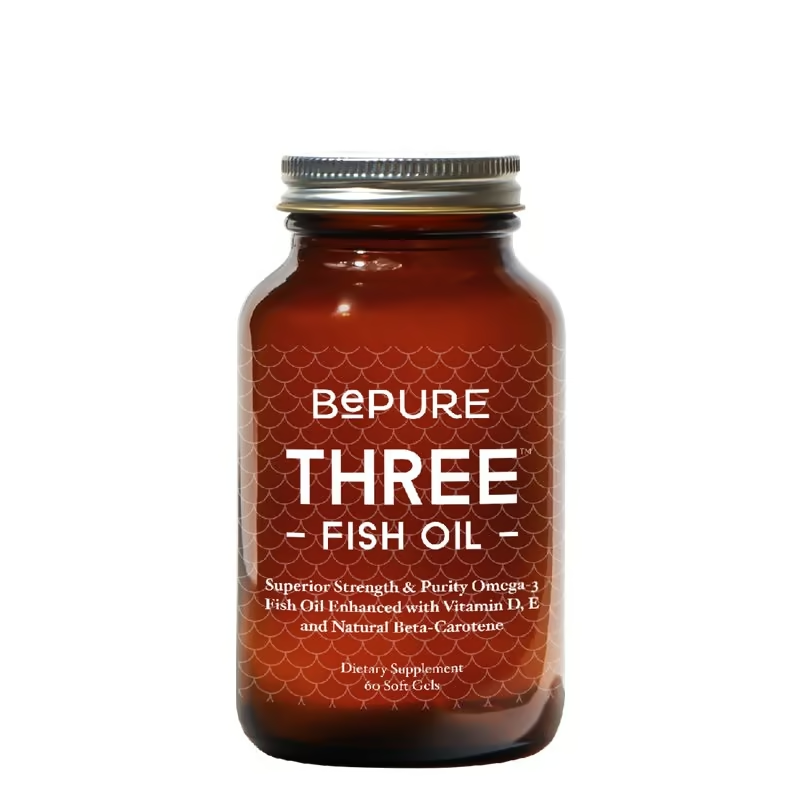
BePure Three was created by BePure founder Ben Warren specifically because he found the fish oils already on the market underwhelming. The 60-capsule bottle is compact and understated, in keeping with BePure’s minimalist, pared-back branding rather than a clinical pharmacy look.
The softgels themselves are a warm amber colour, sized for a two-a-day routine rather than a single dose. Testers noted they’re a touch larger than GO Healthy’s compact capsule, though still manageable. For anyone who genuinely can’t swallow capsules, BePure’s own instructions say the capsule can be pierced and the oil poured into a smoothie or salad dressing. The oil is sourced from small, wild-caught fish in the South Pacific, molecularly distilled, and batch-tested for heavy metals and oxidation, with BSCG certification for drug-free sport.
Performance-wise, this is the strongest formula here: a 2-capsule adult serving delivers 1400mg of total omega-3 (800mg EPA, 600mg DHA), plus natural vitamin A, vitamin D3 and vitamin E. It should be taken with food; BePure notes that fishy burps on an empty stomach can sometimes point to low stomach acid or zinc status. Rounding out a joint-and-skin routine the way this pick does is similar in spirit to how a dedicated collagen supplement is used, see our best collagen supplements guide.
The trade-off is straightforward: 60 capsules covers roughly a month at the 2-a-day adult dose, shorter than GO Healthy’s 200-capsule supply, and it isn’t the cheapest option per serve.
Pros
- Highest total daily EPA + DHA on this list
- Added vitamins A, D3 and E in every serve
- BSCG certified; capsule can be pierced for smoothies
Cons
- Only 60 capsules, a shorter supply than most rivals here
- Pricier per serve than the pharmacy-brand alternatives
Key specs: 2 capsules provide 1400mg total omega-3 (800mg EPA, 600mg DHA), plus vitamin A, D3 and E, 60 capsules, BSCG certified.
3. Nutra-Life Fish Oil 1500mg Plus Vitamin D – Best for Added Vitamin D
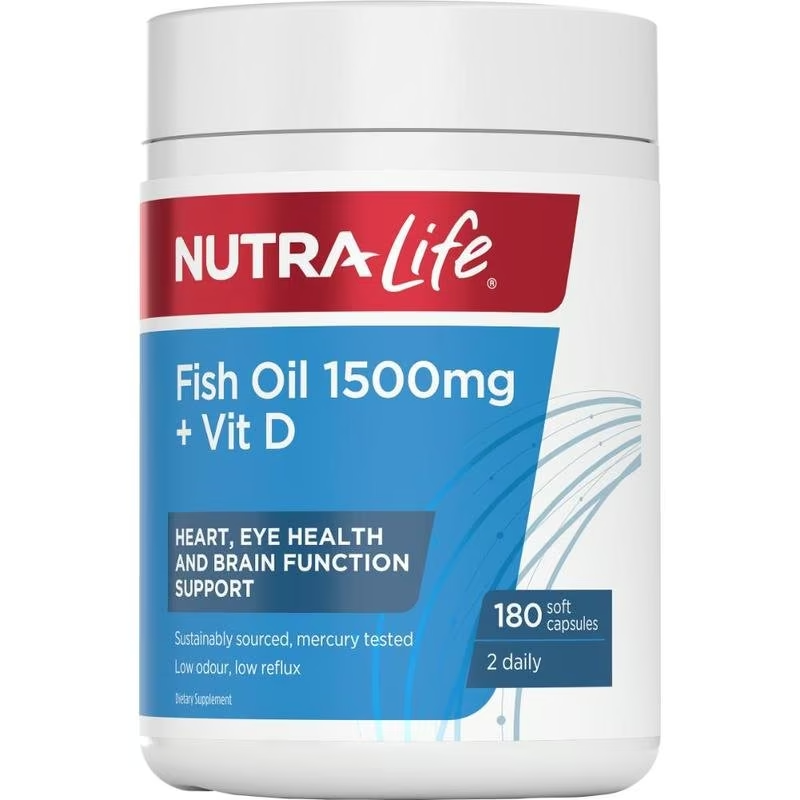
Nutra-Life’s Fish Oil 1500mg Plus Vitamin D packs a generous 180 capsules into a straightforward pharmacy-brand bottle, practical rather than premium in feel, with a plain label that lists its New Zealand manufacturing clearly.
The softgels are a standard amber-gold, encapsulating oil sourced from small, cold-water fish like anchovy, mackerel and sardine, sustainably harvested and certified Friend of the Sea. Nutra-Life states the formula is low-odour and low-reflux, and testers found it sat comfortably at the standard 1-3 capsules a day with food, though the label lists higher use-specific doses (up to 6-7 capsules daily for joint or skin support) for those chasing a therapeutic effect rather than general maintenance.
Each capsule provides 450mg of omega-3 marine triglycerides (270mg EPA, 180mg DHA) plus 140IU of vitamin D3. Many shoppers pair a fish oil like this with a daily multivitamin for broader nutrient coverage, a topic our best multivitamins guide covers separately. Vitamin D and B12 also often get considered together, which our best vitamin B12 supplements guide looks at in more depth. It’s formulated without gluten, dairy, egg or artificial colours and flavours.
The trade-off is potency: at 450mg of omega-3 per capsule, it’s the lowest-strength adult fish oil on this list, so anyone wanting a therapeutic dose from a single capsule should look at the Blackmores or BePure picks instead.
Pros
- Added vitamin D3 for bone and immune support
- Large 180-capsule bottle
- Sustainably sourced, low-odour, low-reflux formula
Cons
- Lowest omega-3 potency per capsule on this list
- Dose range (1-7 capsules depending on goal) needs careful label-reading
Key specs: 1500mg natural fish oil per capsule, 450mg omega-3 marine triglycerides, 270mg EPA, 180mg DHA, vitamin D3 140IU, 180 capsules.
4. Blackmores Omega Triple – Best Maximum-Strength Single Capsule
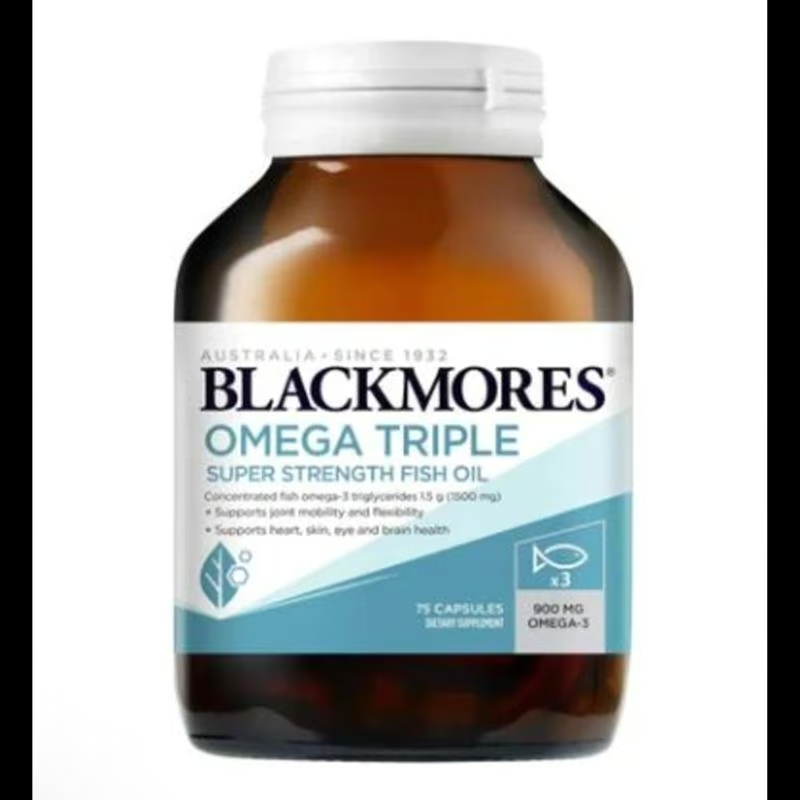
Blackmores Omega Triple delivers three times the omega-3 of a standard 1000mg fish oil in one odourless, vanilla-flavoured softgel. The 75-capsule bottle carries Blackmores’ familiar blue-and-white pharmacy branding, instantly recognisable and widely stocked across NZ, which counts for something when a shopper wants a brand they already trust.
The capsule itself is noticeably fuller than GO Healthy’s compact shell, reflecting its higher oil payload, but testers found it still manageable to swallow whole. Blackmores sources its fish oil from 100% wild-caught small fish and states the extraction avoids artificial surfactants and polysorbates, with no added yeast, gluten, wheat or dairy derivatives. The oil is rigorously tested for mercury, dioxins and PCBs, and the product carries Friend of the Sea and/or MSC sustainability certification.
Where it stands out is potency: each single capsule provides 900mg of omega-3 marine triglycerides (540mg EPA, 360mg DHA), the highest per-capsule concentration on this list, taken once daily as a general supplement or up to three times daily with food for mild joint pain relief. That’s real convenience for anyone who doesn’t want to manage multiple capsules a day.
The trade-off is that concentrated formulas cost more per milligram of omega-3, and anyone on blood-thinning medication or booked for surgery should check with a pharmacist first, since higher fish oil doses can affect clotting.
Pros
- Highest omega-3 dose in a single capsule (900mg) on this list
- Trusted, widely available pharmacy brand
- No artificial surfactants, gluten, or dairy derivatives
Cons
- Higher cost per capsule for the concentration
- Needs a pharmacist check first for anyone on blood thinners or pre-surgery
Key specs: 1500mg concentrated fish oil per capsule, 900mg omega-3 marine triglycerides, 540mg EPA, 360mg DHA, 75 capsules, MSC/Friend of the Sea certified.
5. The Good Vitamin Co Kids Good Omega3 Soft Chews – Best for Kids
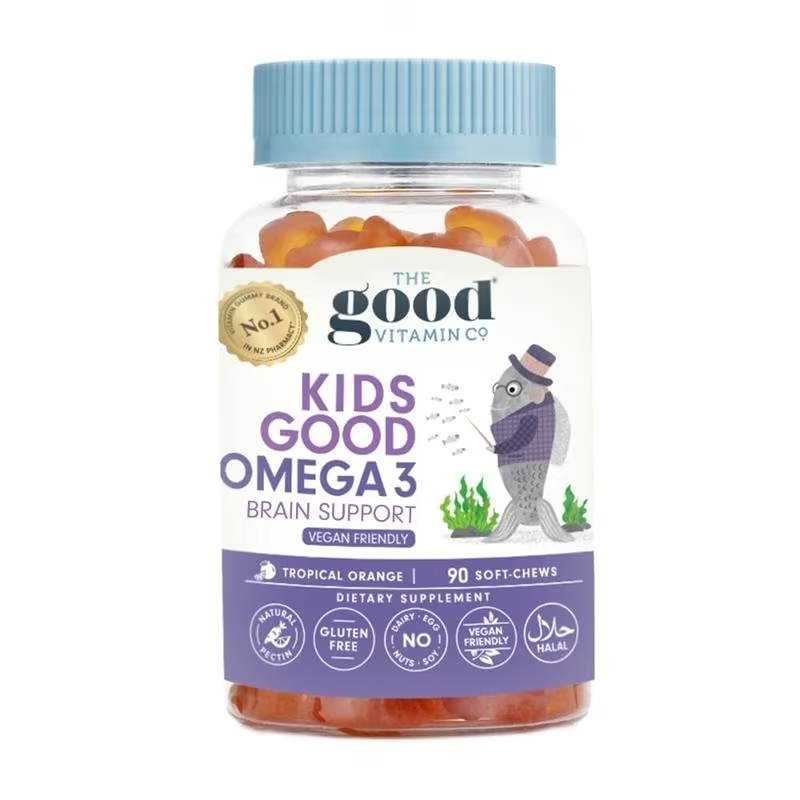
The Good Vitamin Co’s Kids Good Omega3 swaps fish oil for flaxseed oil entirely, making it a genuinely vegan option in a category otherwise dominated by fish-derived softgels. The 90-chew jar uses bright, kid-focused packaging rather than a clinical pharmacy label, sized for the twice-daily dosing schedule aimed at children aged two and up.
Each soft chew is a small, gummy-textured lolly rather than a hard capsule, tropical-orange flavoured with natural colours from purple carrot juice concentrate and beta-carotene rather than artificial dyes. Testers noted the texture is closer to a soft jube than a firm gummy bear, which makes it easier for younger kids to chew fully. The formula is gluten-free, Halal-certified and free of egg, soy, dairy and nuts, useful for families managing common childhood allergies.
Each chew provides 80mg of flaxseed oil (40mg omega-3 as ALA), given at 1-2 chews daily. The honest trade-off worth knowing: flaxseed oil supplies ALA, a plant-based omega-3 that the body must convert to the DHA and EPA used in brain and eye development, and that conversion is notoriously inefficient, often well under 10%. Parents specifically chasing DHA for brain support, rather than a general vegan-friendly top-up, may want to compare it against an algae-oil children’s formula, which delivers DHA directly.
Pros
- Genuinely vegan and allergy-friendly (no egg, soy, dairy or nuts)
- Chewable, lolly-like texture kids will actually take
- Halal certified, natural colours and flavours
Cons
- ALA-based, so conversion to usable DHA/EPA is inefficient
- Not a substitute for fish or algae oil if direct DHA is the goal
Key specs: Flaxseed oil 80mg per chew (40mg omega-3 as ALA), 1-2 chews daily for ages 2+, gluten-free, vegan, Halal certified, 90 chews.
How to choose the best omega-3 supplement
Type of omega-3 matters more than the headline mg. Fish and algae oil supply ready-made EPA and DHA, the forms most research points to for heart, brain and joint benefits. Flaxseed and other plant oils supply ALA, which the body converts to EPA and DHA at a low, often under-10%, rate. Check the actual EPA+DHA line on the ingredients panel rather than just the total fish oil mg on the front label; two products can list the same headline strength while delivering very different real doses.
Sourcing and testing separate a decent fish oil from a genuinely trustworthy one. Look for mentions of wild-caught (rather than farmed) fish, molecular distillation, and testing for mercury, dioxins and PCBs. Sustainability certifications like Friend of the Sea or MSC are a reasonable proxy for a brand that takes sourcing seriously.
Capsule size and format decide whether it actually gets taken. A single high-strength capsule suits people who want convenience; a lower-strength, higher-count bottle suits people who prefer splitting doses across the day or who find bigger capsules harder to swallow. Kids need dedicated, lower-dose, chewable or liquid formats rather than an adult capsule pierced and diluted.
Dosage frequency should match the goal. General maintenance sits around 250-500mg combined EPA+DHA a day for most adults; higher, therapeutic-range doses for joint or heart support are usually taken under a healthcare professional’s guidance rather than self-selected.
Verdict
For most NZ households, GO Healthy’s GO Fish Oil 2000mg is the easiest daily habit to stick to: a compact capsule, a long-lasting 200-count bottle, and solid mid-range potency. Shoppers wanting a stronger single dose should look to Blackmores Omega Triple for maximum strength in one capsule, or BePure Three for the highest overall daily EPA and DHA with added vitamins. Nutra-Life’s Fish Oil Plus Vitamin D suits anyone wanting bone and immune support alongside their omega-3, and The Good Vitamin Co’s Kids Good Omega3 is the practical pick for younger children, with the caveat that its flaxseed-derived ALA won’t match a fish or algae source for direct DHA.
Related guides:
- Building a broader supplement stack? See our best magnesium supplements guide for muscle and sleep support.
- For everyday nutrient insurance, check our best iron supplements picks.
- Gut health matters too, browse our best probiotics guide.
Frequently Asked Questions
When is the best time to take an omega-3 supplement?
Time of day matters far less than consistency. Omega-3s build up in the body over weeks, not hours, so the best time is whenever a person reliably remembers to take it. Pairing the dose with a meal that contains some fat improves absorption and can reduce fishy burps, whether that’s breakfast or dinner.
How much omega-3 should adults take daily?
Most general health guidance points to at least 250-500mg of combined EPA and DHA daily, though some people take 1000mg or more for specific goals. Because fish oil mg and omega-3 mg differ, it pays to check the EPA+DHA total on the label rather than the headline capsule strength.
What’s the difference between fish oil and plant-based omega-3?
Fish and algae oil supply ready-made EPA and DHA, the forms the body uses directly. Plant sources like flaxseed provide ALA, which the body must convert to EPA and DHA, and that conversion is inefficient, often under 10%. Algae oil is the main vegan option that still delivers direct DHA.
Can children take adult fish oil capsules?
No. Adult capsules are typically far stronger than a child needs, and a full adult dose can significantly exceed recommended intakes for young children. Kids’ formulas are dosed and flavoured for their age group, and parents should check the label or ask a pharmacist for age-appropriate guidance.
Why do fish oil capsules sometimes cause fishy burps?
Fishy burps usually happen when oil isn’t fully broken down before it leaves the stomach, often from taking capsules on an empty stomach or with a less-fresh oil. Taking fish oil with food, choosing a molecularly distilled or flavoured softgel, and refrigerating the bottle can all help reduce it.
Is it safe to take fish oil alongside other medications or supplements?
For most people, yes, but fish oil can have a mild blood-thinning effect, so anyone on medications like warfarin, or anyone booked for surgery, should check with a pharmacist or doctor first. It generally combines fine with everyday supplements like multivitamins or vitamin D.