The best protein bar in NZ overall is the Musashi High Protein Bar Milk Choc Brownie, thanks to its class-leading 45g of protein per 90g bar for straightforward post-workout recovery. It is not the only shopper worth knowing about though. This roundup covers six real NZ-available bars picked for different jobs: a Nestle VLCD bar built for medically supervised weight loss, a creatine-boosted recovery bar, two nougat-based low-sugar bars from The Man Shake and The Lady Shake programmes, the protein-dense Musashi bar, and a natural, NZ-made manuka honey trail bar from OSM. Testers looked at what each bar is actually built to do, not just its protein count, so shoppers can match a bar to their goal instead of guessing.
Quick Comparison
| Pick | Product | Best For | Protein / Bar | Standout Feature |
|---|---|---|---|---|
| 1 | Optifast VLCD Berry Crunch Bars | Medically supervised weight loss | ~16g (65g bar) | Nutritionally complete meal replacement, 24 vitamins & minerals |
| 2 | Famous Nutrition Creatine Protein Bar | Creatine-boosted recovery | ~18g (60g bar) | Added creatine monohydrate baked into a snack bar |
| 3 | The Man Bar Chunky Choc | Low-sugar snacking on The Man Shake plan | 17.9g | Nougat base, just 2.6g sugar |
| 4 | Musashi High Protein Bar Milk Choc Brownie | Maximum protein per bar | ~45g (90g bar) | Auckland-made, under 4g carbs |
| 5 | The Lady Bar Chunky Choc | Low-calorie snacking on The Lady Shake plan | High protein, low sugar | Under 140 calories, collagen-inclusive blend |
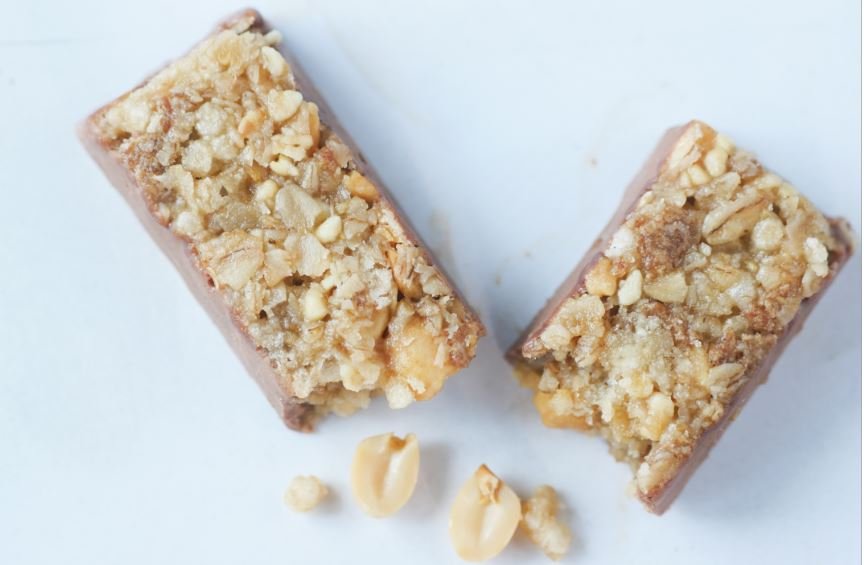
| 6 | OSM Chocolate with Manuka Honey | Natural, NZ-made trail fuel | ~9g per bar | Rolled oats, real NZ manuka honey, no artificial flavours/colours |
1. Optifast VLCD Berry Crunch Bars – Best for Medically Supervised Weight Loss
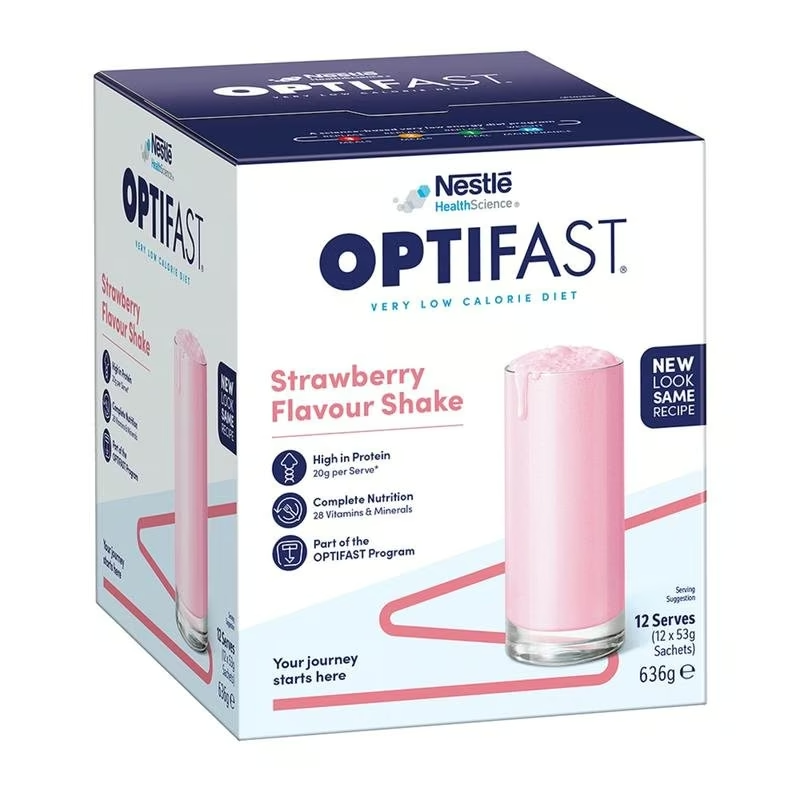
Best for shoppers on a structured, dietitian-guided weight loss plan, the Optifast VLCD Berry Crunch Bar is the one bar in this line-up built to replace a full meal rather than sit alongside one. Each 65g bar sits in a resealable pack of six, individually wrapped for a bag or desk drawer. The bar itself is a pale, mottled milk chocolate coating (17% milk chocolate) over a pressed soy-crisp base studded with a raspberry-and-cherry fruit crunch layer, giving it a firmer, denser bite than a typical snack bar rather than a soft or gooey one.
Testers who use it as part of the Optifast programme note it is ready to eat straight from the box with no prep, and that the crunch texture holds up better than the brand’s shake format for anyone who wants to chew rather than drink a meal. Reviews on the taste are genuinely mixed: some find the berry crunch flavour pleasant and filling enough to reach the next meal, while others describe a stronger, more artificial aftertaste than earlier formulations and say it is not especially satisfying on its own.
The trade-off is real: this is a nutritionally complete meal replacement with around 16g of protein, a full spread of 24 vitamins and minerals, and meaningful fibre, so it is not meant for casual snacking or gym recovery, and it is explicitly designed for use under medical or dietitian supervision rather than as an everyday high-protein treat.
Pros
- Ready to eat, no prep needed
- Nutritionally complete (24 vitamins & minerals)
- Firm, crunchy texture rather than a soft mouthful
Cons
- Mixed reviews on taste/aftertaste
- Built for medical supervision, not casual snacking
- Not filling enough on its own for some users
Key specs:
Nestle Health Science Optifast VLCD Bar, Berry Crunch flavour, 6 x 65g, soy-based protein, milk chocolate coating.
2. Famous Nutrition Creatine Protein Bar – Best for Creatine-Boosted Recovery
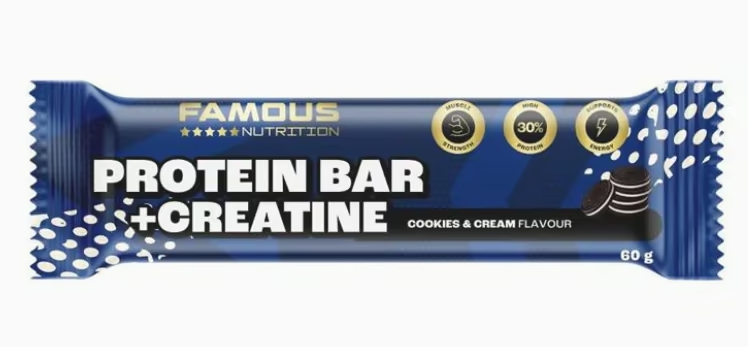
Best for gym-goers who want a strength-training supplement built into a snack rather than a separate tub of powder, the Famous Nutrition Creatine Protein Bar in Cookies & Cream is a 60g bar carrying both a protein blend and added creatine monohydrate in one wrapper. The bar has a pale, speckled cookies-and-cream centre wrapped in a thin milk chocolate coating, with a firmer, slightly crumbly bite closer to a compressed cookie than a chewy nougat bar.
Formulated in Australia and stocked through NZ pharmacies, it carries roughly 30% protein by weight, which works out to around 18g on a 60g bar, alongside a low-sugar profile designed to avoid the energy crash of a sweeter snack. The cookies and cream flavour reads as genuinely dessert-like rather than chalky, which is the main appeal testers point to over a plain whey bar. The brand recommends one bar a day as the practical ceiling, positioning it as a single daily creatine top-up rather than a bar to double up on.
The honest trade-off is dosing: a bar-format serving of creatine sits below the well-studied 3 to 5g daily range used for strength and recovery benefits, so shoppers chasing a meaningful performance effect should treat this as a convenient top-up alongside their normal creatine routine, not a replacement for it.
Pros
- Dessert-like cookies & cream flavour
- Creatine and protein combined in one bar
- Low-sugar profile
Cons
- Bar-format creatine dose is below the proven 3-5g range
- Higher cost per gram of protein than a powder scoop
- Recommended limit of one bar a day
Key specs:
Famous Nutrition Protein + Creatine Bar, Cookies & Cream, 60g, approx. 30% protein, added creatine monohydrate.
3. The Man Bar Chunky Choc – Best for Low-Sugar Snacking on The Man Shake Plan
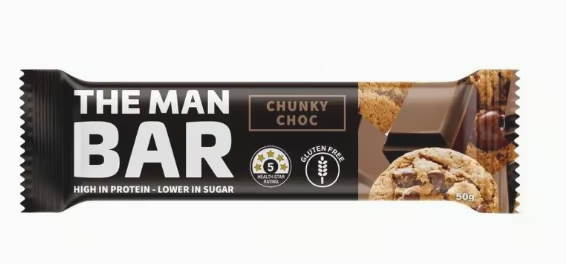
Best for men following The Man Shake weight management programme who want a low-sugar snack that still feels like a treat, The Man Bar Chunky Choc is a 50g nougat-based bar built around The Man Shake’s own protein blend. Visually it is a compact, chunky rectangle with visible chocolate chunks, cacao nibs, and goji berries pressed through a chewy nougat base, giving it a genuinely varied texture rather than a flat, uniform bite.
The bar delivers 17.9g of protein and just 2.6g of sugar, which testers and program users flag as one of its stronger points compared with a standard confectionery-style protein bar. Reviewers describe the taste as close to a real chocolate bar rather than a supplement, though more than one notes it reads as quite sweet on the first bite despite the low sugar figure. The 10.6g of natural prebiotic fibre also gets called out for keeping hunger at bay longer than expected for a 50g snack.
The trade-off is portion discipline: this is designed as one bar a day for a morning or afternoon snack within the wider Man Shake programme, and a small number of reviewers report digestive discomfort such as bloating if more than one is eaten in a day, so it suits a planned snack slot rather than free grazing.
Pros
- 17.9g protein for just 2.6g sugar
- Varied, chunky texture with visible pieces
- 10.6g natural prebiotic fibre
Cons
- Reads sweeter than the sugar figure suggests
- Some report bloating if more than one is eaten
- Best suited to the wider Man Shake programme, not free snacking
Key specs:
The Man Shake, The Man Bar, Chunky Choc flavour, 50g, 17.9g protein, 2.6g sugar, gluten-free.
4. Musashi High Protein Bar Milk Choc Brownie – Best for Maximum Protein Per Bar
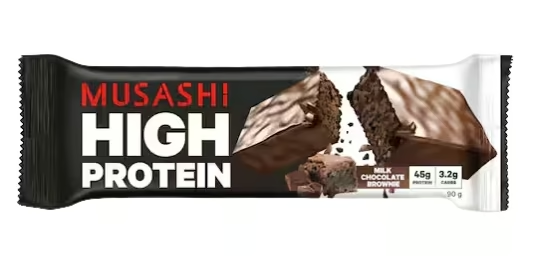
Best for anyone whose main goal is hitting a high protein number in one hit, the Musashi High Protein Bar Milk Choc Brownie leads this list on raw protein content, packing around 45g into a single 90g bar while keeping carbohydrate under 4g. Most of the range, including this flavour, is manufactured in Musashi’s own Auckland facility, giving it a stronger local-manufacturing story than most imported bars on this list. The bar itself is a thick, dense rectangle finished in a milk chocolate coating over a firm, fudge-style brownie centre, noticeably heavier in the hand than the 50g nougat bars elsewhere in this guide.
Because the whole bar is engineered around protein density rather than a soft eating experience, the texture sits firm and slightly tacky at room temperature, and testers say it benefits from being eaten at room temperature rather than straight from the fridge to avoid an overly stiff bite. Reviewers are split on the brownie flavour specifically: some find it a reasonable stand-in for a treat post-workout, while others describe it as under-sweetened with a noticeably artificial edge compared with Musashi’s other flavours.
The trade-off is clear: this is a functional, protein-first bar rather than a dessert-style snack, so shoppers who care more about flavour and mouthfeel than hitting a protein target may prefer a softer, more indulgent option from elsewhere on this list.
Pros
- Class-leading ~45g protein per bar
- Under 4g carbs
- Made in Musashi’s Auckland facility
Cons
- Firm, dense texture rather than a soft treat
- Brownie flavour rated below other Musashi flavours by some reviewers
- Noticeably heavier/denser than the 50g bars in this list
Key specs:
Musashi High Protein Bar (P45), Milk Choc Brownie, 90g, approx. 45g protein, under 4g carbs.
5. The Lady Bar Chunky Choc – Best for Low-Calorie Snacking on The Lady Shake Plan
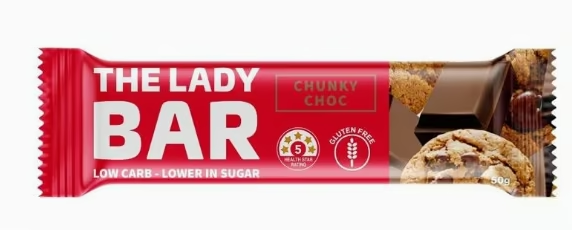
Best for women on The Lady Shake programme who want a lower-calorie companion to The Man Bar’s formula, The Lady Bar Chunky Choc is a 50g nougat bar built on The Lady Shake’s own protein blend, which notably includes collagen alongside whey crisps and natural prebiotic fibre. It shares the same chunky, visibly studded look as The Man Bar, with real chocolate pieces pressed into a chewy nougat base rather than a smooth, moulded bar.
At under 140 calories per bar, it sits lighter than several other picks here while still carrying a high-protein, low-sugar profile in the same broad range as its Man Bar counterpart. The inclusion of collagen, chicory root fibre, and L-glutamine in the blend is a point of difference testers call out compared with a standard whey-based nougat bar. As with The Man Bar, the brand recommends one bar a day as part of the wider shake programme rather than as a stand-alone snack.
The honest trade-off is consistency: reviews for this bar are more mixed than for The Man Bar, with some shoppers reporting a chalky or overly sweet aftertaste and fewer visible choc chunks than expected from the packaging, while others say it genuinely curbs cravings and keeps them full between meals. It is worth trying a single bar before committing to a larger multipack.
Pros
- Under 140 calories per bar
- Collagen-inclusive protein blend
- Same chunky, real-chocolate-piece texture as The Man Bar
Cons
- More mixed reviews than The Man Bar on taste/texture
- Some report fewer visible choc chunks than pictured
- Best paired with the wider Lady Shake programme
Key specs:
The Lady Shake, The Lady Bar, Chunky Choc flavour, 50g, collagen-inclusive protein blend, gluten-free, under 140 calories.
6. OSM Chocolate with Manuka Honey Bar – Best for Natural, NZ-Made Trail Fuel

Best for hikers, runners, and anyone wanting a whole-food bar rather than a whey-and-sweetener supplement, the OSM Chocolate with Manuka Honey Bar is a New Zealand-made, oat-based bar from OSM’s All-Terrain Nutrition range. Rather than chasing a single protein number, it is built as a balanced source of energy, protein, carbohydrate, fat, and fibre, plus 10 vitamins and 6 minerals, and comes in a resealable 6-bar pack of individually wrapped bars.
The bar itself is built from rolled oats (32%) bound with brown rice syrup and rice bran oil, coated in a thin layer of milk chocolate (11%) with a small amount of real NZ manuka honey (1.5%) and raisins folded through, giving it a denser, more textured, oat-forward bite than a smooth protein bar. Independent taste testing and endurance athletes both single it out as one of the better-tasting bars in its category, describing it as fruity, nutty, and noticeably less processed-tasting than typical chocolate-coated bars. Its 85-day shelf life, or up to six months frozen, also suits stocking up for a season of racing or tramping.
The trade-off is protein density: at roughly 9g of protein per bar, it is closer to a balanced energy bar than a dedicated high-protein snack, so shoppers chasing a big protein hit for muscle recovery should look elsewhere on this list, while those wanting sustained, natural fuel for hours of activity are well served. It also contains soy, milk, and gluten, with possible traces of tree nuts, peanuts, egg, and sesame.
Pros
- Rated a stand-out taste in independent testing
- Real NZ manuka honey, no artificial flavours or colours
- Long shelf life, freezes well for stocking up
Cons
- Only around 9g protein per bar, low for a ‘protein bar’
- Denser, more textured bite than a smooth protein bar
- Contains soy, milk, gluten and traces of tree nuts/peanuts/egg/sesame
Key specs:
OSM Chocolate with Manuka Honey, All-Terrain Nutrition range, 6-pack, rolled oats base, NZ manuka honey 1.5%.
How to Choose
Choosing between these six comes down to matching the bar to the job, since “protein bar” covers everything from a medical meal replacement to a trail snack in this list alone. Shoppers replacing a meal, such as with the Optifast VLCD bar, need a nutritionally complete formula with a full vitamin and mineral spread, ideally used under a dietitian’s guidance rather than picked off a shelf. Shoppers chasing muscle recovery after training should prioritise raw protein per bar, where the Musashi High Protein Bar leads this group at around 45g, while those wanting a gentler daily snack under a structured programme may prefer the lower-calorie, lower-protein Man Bar or Lady Bar.
Anyone specifically after a creatine top-up should check the actual dose against the proven 3 to 5g range rather than assuming a bar-format serving matches a powder scoop. For long days outdoors, a whole-food, moderate-protein bar like OSM’s manuka honey bar tends to sit better than a dense, protein-max bar. It is also worth checking sugar content, allergens (soy, milk, and gluten appear across most of these), and whether a bar is designed for daily use or as an occasional treat before buying a multipack.
Looking for the protein source behind the bar rather than just the bar itself, a good whey protein powder remains the most cost-effective way to hit a daily protein target, and pairs well with an occasional bar for convenience. Shoppers building a full weight-loss stack might also compare these bars against a dedicated meal replacement shake or a protein powder for weight loss, since a shake often delivers more complete nutrition per serve than a bar of the same size.
Anyone training around a creatine bar like Famous Nutrition’s should weigh it up against a dedicated pre-workout supplement for a bigger, more measurable dose. And for shoppers drawn to The Lady Bar’s collagen inclusion, it is worth comparing the amount on offer here against a dedicated collagen supplement built specifically around a therapeutic dose.
Verdict
Across these six, the Musashi High Protein Bar Milk Choc Brownie remains the strongest all-rounder for anyone who simply wants the most protein in one bar, but it is genuinely a six-way split by purpose rather than a single winner. Shoppers on a supervised weight loss plan are better served by the Optifast VLCD bar, gym-goers chasing a creatine top-up should look at Famous Nutrition’s bar, and Man Shake or Lady Shake followers should stick to their programme’s own bar for consistency. For a natural, whole-food option built for hours on the trail rather than minutes at the gym, OSM’s manuka honey bar stands apart from every other bar on this list. Matching the bar to the goal, not just the protein number on the front of the pack, is what actually decides which of these six is “best” for any one shopper.
Frequently Asked Questions
Are protein bars good for weight loss?
Protein bars can support weight loss when they replace a less controlled snack, since protein helps shoppers feel fuller for longer and protects muscle during a calorie deficit. Results depend heavily on the bar chosen, since options loaded with sugar or excess calories can undo the benefit, so low-sugar, higher-protein bars work best for this goal.
How many protein bars should you eat a day?
Most nutrition guidance suggests one protein bar a day is enough for most people, with two considered a reasonable upper limit on heavier training days. Eating more than that risks displacing whole-food protein sources like meat, eggs, and dairy, and can lead to excess sugar or fibre intake that causes digestive discomfort.
Can a protein bar replace a meal?
Only bars specifically designed as meal replacements, such as Optifast VLCD bars, are built to stand in for a full meal, since they include a complete spread of vitamins and minerals. Standard gym-style protein bars are snacks rather than meals and generally fall well short of the calories and nutrients a proper meal supplies.
What should you look for in a good protein bar?
A solid protein bar should carry at least 15 to 20g of protein, under 10g of sugar, and a short ingredient list built around whole-food sources like nuts, oats, or whey. Checking for allergens and matching the bar to its intended use, whether recovery, weight management, or on-the-go energy, matters as much as the protein figure.
Does the creatine in a protein bar actually work?
Creatine delivered through a bar can still work, provided the dose sits within the proven 3 to 5g daily range and is taken consistently rather than occasionally. Bars with only a token amount of creatine will do little for strength or recovery, so shoppers chasing a real performance boost should check the label rather than the front-of-pack claim.
Are protein bars safe to eat every day?
For most healthy adults, one protein bar a day fits comfortably within normal protein needs and carries no real safety concern. Problems tend to appear only with excessive daily intake, which can strain digestion and crowd out whole foods, or for those with kidney issues or allergies who should check ingredients like soy, dairy, and creatine first.
