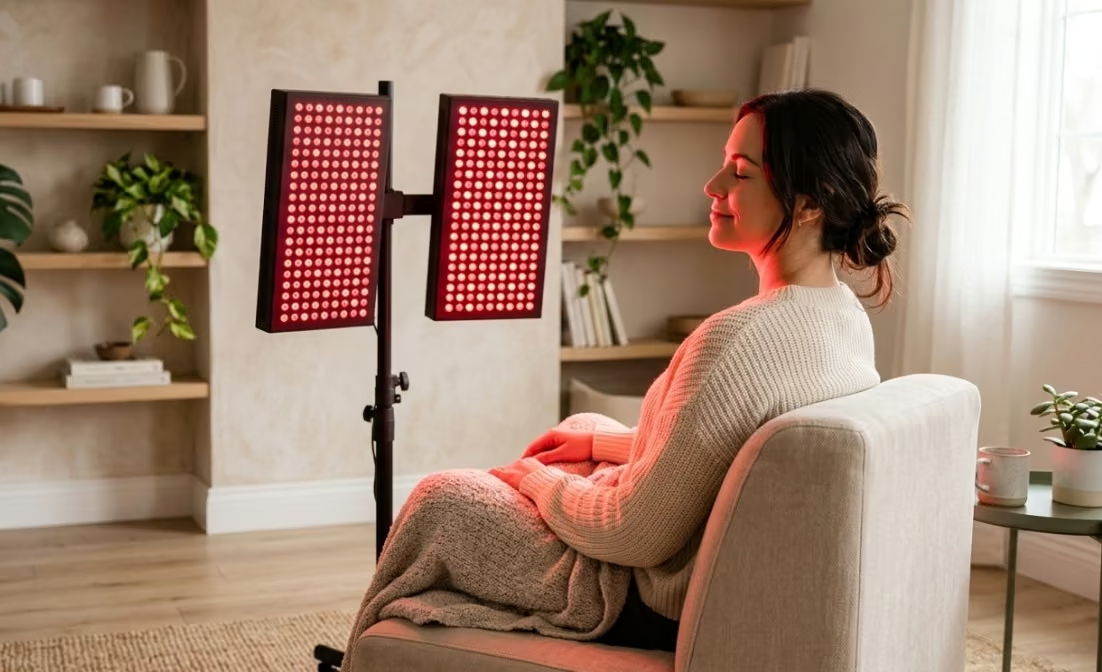
The best red light therapy panel in NZ overall is the Bontanny BO-300, a genuine five-wavelength panel from a brand with its own dedicated storefront rather than an anonymous marketplace-only listing. If you want to treat a larger area of the body at once, the Bontanny BO-600 steps up to 120 LEDs, and if you’re not ready to spend big, the Hottoerak 50W panel is a genuinely affordable way to try red light therapy first.
This is a thinner category than most of our guides: it’s dominated by anonymous marketplace-only brands with no independent presence anywhere, so we’ve focused on the small number of panels available in NZ from brands we could genuinely verify. All four picks here are wellness devices rather than medical equipment.
Red light and near-infrared devices are wellness products, not medical treatments. They aren’t a substitute for advice from a doctor, and anyone with a skin condition, who is pregnant, or who takes photosensitising medication should check with a healthcare provider before use.
Quick comparison
| Red Light Panel | Best For | LEDs |
|---|---|---|
| Bontanny BO-600 Red Light Therapy Panel | Best for Full-Body Use | 120 (240 chips) |
| Bontanny BO-300 Red Light Panel | Best Overall | 60 (120 chips) |
| Bontanny BO-60 Portable Red Light Device | Best Portable | 12 (36 chips) |
| Hottoerak 50W Tabletop Red Light Panel | Best Budget | 60 (120 chips) |
1. Bontanny BO-600 Red Light Therapy Panel – Best for Full-Body Use
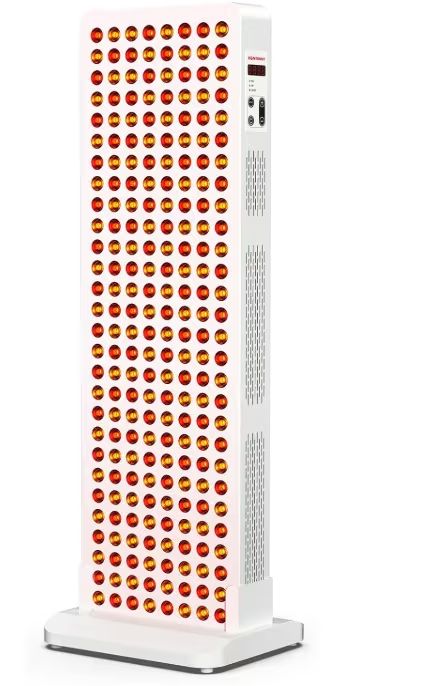
The BO-600 is Bontanny’s largest panel, built around 120 dual-chip LEDs across five wavelengths (630, 660, 810, 830 and 850nm) for a mix of red and near-infrared light aimed at covering more of the body at once than a smaller panel can.
It draws 175W of real power, includes a hanging kit for wall or door mounting plus protective goggles, and switches between Pure Red, Pure NIR, and Full Spectrum modes with a programmable timer. Bontanny states an irradiance of 141 mW/cm² at 3 inches, dropping to 89 mW/cm² at 18 inches, and the panel carries a 0.0 uT EMF rating.
Review sentiment for this exact model currently comes only from testimonials on Bontanny’s own site, mentioning knee pain relief within around three weeks and skin-texture changes within two, so treat that as brand-reported feedback rather than independently verified reviews. it’s the most expensive panel in this guide, aimed at buyers who want to treat a larger area of the body in one session.
Pros
- Largest panel in this guide, suited to full-body sessions
- 5 wavelengths across red and near-infrared
- 3 selectable light modes plus programmable timer
- Includes hanging kit and protective goggles
Cons
- Review sentiment is currently brand-reported only
- Most expensive panel in this guide
- Requires wall or door mounting space
Key specs: 120 dual-chip LEDs, 630/660/810/830/850nm, 175W, 3 modes, programmable timer.
2. Bontanny BO-300 Red Light Panel – Best Overall
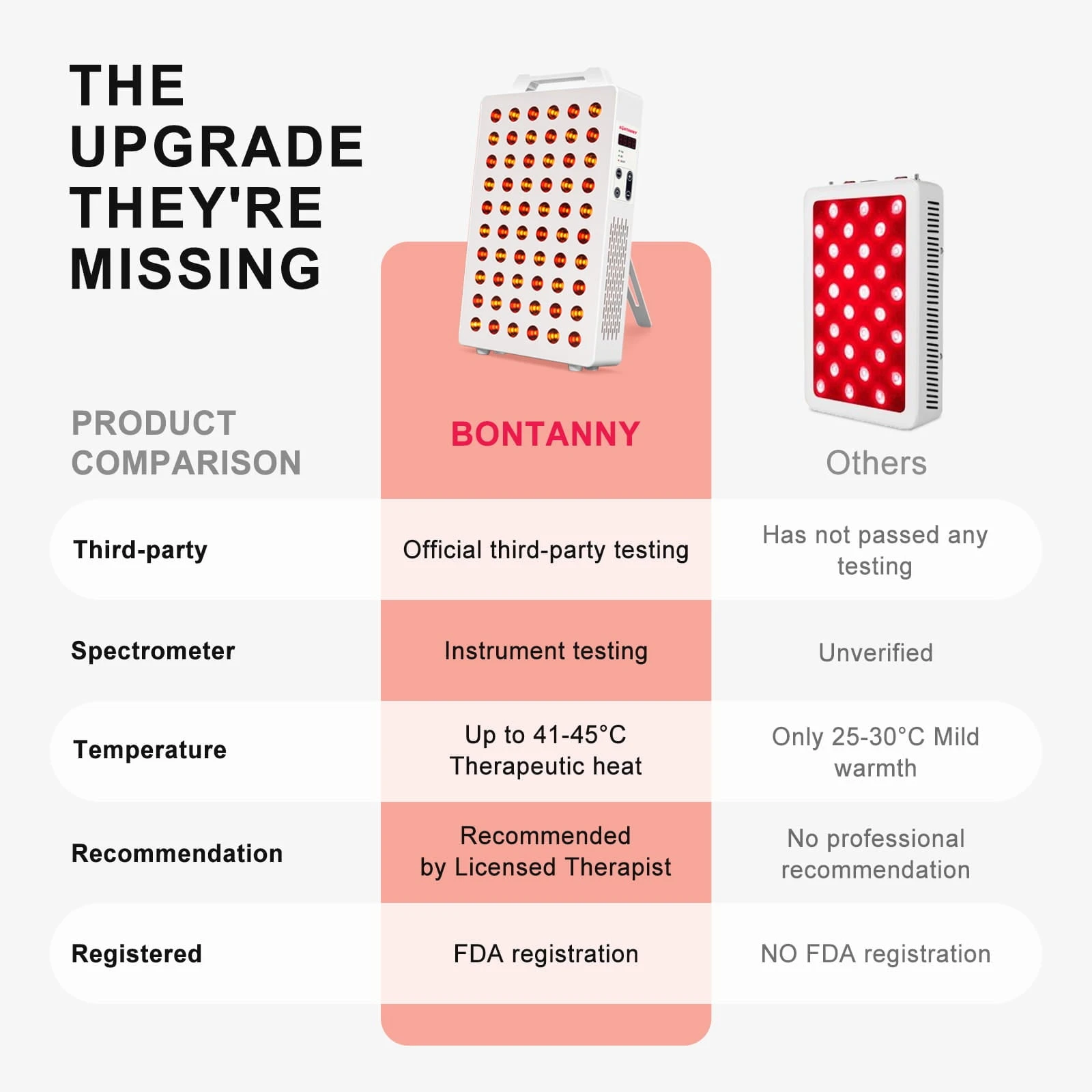
The BO-300 is Bontanny’s mid-size panel, using 60 dual-chip LEDs across the same five wavelengths as the larger BO-600, so you get the same spread of red and near-infrared light in a smaller, easier-to-place unit.
It’s FDA registered as a Class II device and carries CE and RoHS certification, with a built-in timer from 1 to 30 minutes, a remote for switching between red, near-infrared or combined modes, and a 60-degree adjustable stand. Bontanny lists an irradiance of 140 mW/cm² at 3 inches, tapering to 70 mW/cm² at 18 inches.
As with the larger model, independent third-party review coverage for this specific panel wasn’t found, so the only feedback available is Bontanny’s own site testimonials describing perceived skin and recovery benefits. It’s the panel we’d point most people to first: a genuine five-wavelength design at a more accessible price than the BO-600.
Pros
- 5 wavelengths in a more compact, mid-size panel
- FDA registered Class II, CE/RoHS certified
- 1-30 minute built-in timer with remote control
- More affordable than the full-size BO-600
Cons
- No independent third-party reviews found yet
- FDA registration is not the same as FDA-approved efficacy claims
Key specs: 60 dual-chip LEDs, 630/660/810/830/850nm, 100W, 1-30 min timer, adjustable stand.
3. Bontanny BO-60 Portable Red Light Device – Best Portable
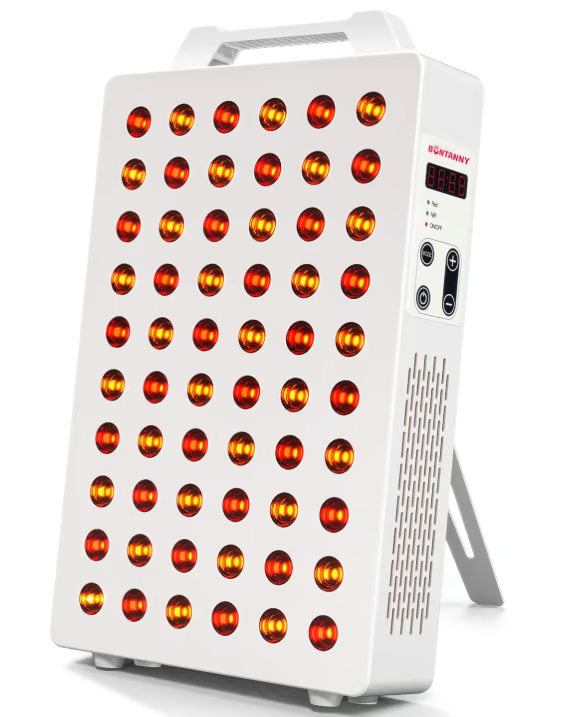
The BO-60 shrinks Bontanny’s red light technology down to a handheld device, using 12 triple-chip LEDs across three wavelengths (660, 850 and 1060nm) for targeted spot treatment rather than whole-body sessions.
A 3,000mAh rechargeable battery gives roughly 2.5 to 3 hours of runtime between charges, and at 5.9 x 3.8 x 1.3 inches and under a kilogram, it’s genuinely pocket-sized compared with every panel in this guide. It carries the same FDA registration and 0.0 uT EMF rating as the larger Bontanny models, backed by a 3-year warranty.
Bontanny’s own product page shows before-and-after marketing images for skin, joints and stretch marks rather than a dedicated customer review section, and no independent review coverage was found for this exact model. For targeted use on a specific joint, scar or small area, its portability is the main draw over a full panel.
Pros
- Genuinely portable, handheld design
- Rechargeable battery, no need to stay near a power outlet
- 3 wavelengths including 1060nm for deeper tissue
- 3-year warranty
Cons
- No independent reviews found, only brand marketing imagery
- Not suited to full-body or large-area sessions
- Smaller battery-powered LEDs than a full panel
Key specs: 12 triple-chip LEDs, 660/850/1060nm, 10W, 3000mAh battery, 3-year warranty.
4. Hottoerak 50W Tabletop Red Light Panel – Best Budget
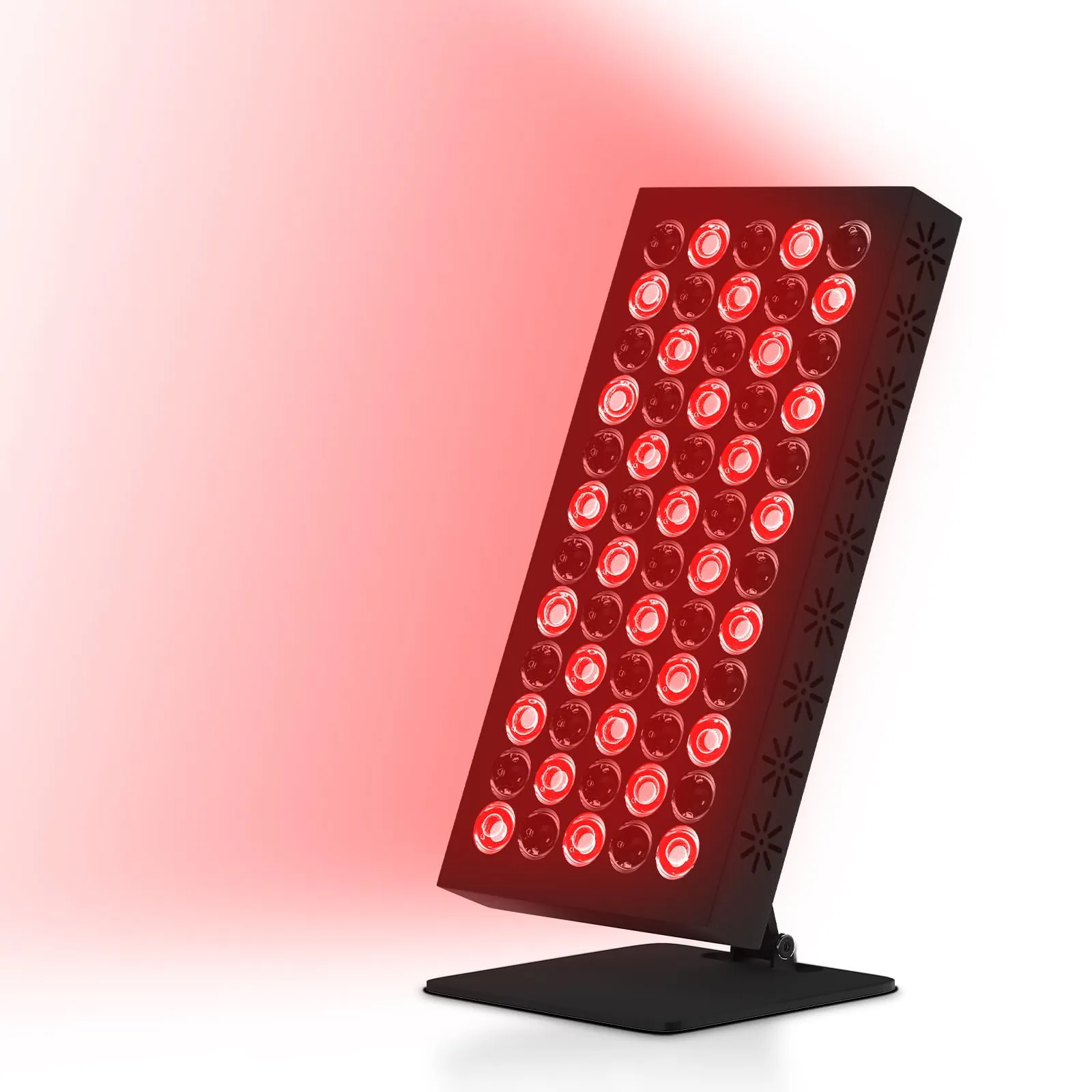
Hottoerak’s 50W panel uses 60 high-power LEDs split evenly between 660nm red and 850nm near-infrared light, mounted on a folding, angle-adjustable stand designed to be pointed at the face, neck, back or knees from a tabletop.
Five brightness levels and a timer with 10, 20 and 30-minute presets cover most typical session lengths without extra setup. An independent review found the folding stand build to be sturdy and the adjustable angles genuinely useful, with the reviewer reporting real pain and muscle relief from regular use.
The same independent review flagged some real drawbacks worth knowing before buying: unclear instructions out of the box, a controller placement some found inconvenient mid-session, and a small number of reports of skin irritation from prolonged use at close range. it’s the most affordable panel in this guide, and a sensible way to try red light therapy before committing to a pricier full panel.
Pros
- Most affordable panel in this guide
- Folding, angle-adjustable stand for multiple body areas
- 5 brightness levels with simple timer presets
- Positive independent review for pain and muscle relief
Cons
- Instructions and controller placement criticised in review
- Some reports of skin irritation with prolonged close-range use
- Brand doesn’t sell this exact model on its own site
Key specs: 60 dual-chip LEDs (120 chips), 660nm/850nm, 50W, 5 brightness levels, 3 timer presets.
How to choose a red light therapy panel in NZ
Wavelength. Red light (roughly 620-700nm) is generally associated with surface-level use on skin, while near-infrared light (roughly 780-1100nm) is marketed as penetrating deeper into tissue. Panels combining both, like every model in this guide, cover more use cases than a single-wavelength device.
Panel size and LED count. A larger panel with more LEDs, like the Bontanny BO-600, covers more of the body per session, while a smaller panel or handheld device suits treating one specific area.
Irradiance and distance. Manufacturers typically quote light intensity at a specific distance, since it drops off quickly the further you sit from the panel. Check the recommended session distance and follow it rather than assuming closer is always better.
Timer and modes. A built-in timer removes the guesswork of how long to use it, and separate red, near-infrared and combined modes let you tailor a session to skin-level or deeper use.
Brand transparency. This category has a lot of anonymous Amazon-only sellers with no independent website or review history. A brand with its own site, clear specs and visible certification, like FDA registration or CE marking, is generally a safer bet than a listing with no presence beyond the marketplace.
For recovery between sessions, the guides to hot and cold therapy devices, massage chairs and portable ice baths are worth a look.
Verdict
For most people starting out, the Bontanny BO-300 is the easiest panel to recommend here, genuinely five-wavelength, backed by a brand with its own website, at a price below the largest model. Anyone wanting to treat more of the body per session should look at the Bontanny BO-600, while the BO-60 suits targeted, on-the-go use on a specific joint or area.
If you’d rather try red light therapy without a big outlay first, the Hottoerak 50W panel is a genuinely functional, independently reviewed budget option, though it comes with a couple of real usability quibbles worth reading up on first. Whichever you choose, treat it as a wellness addition alongside, not a replacement for, proper medical care.
Red light and near-infrared devices are wellness products, not medical treatments. They aren’t a substitute for advice from a doctor, and anyone with a skin condition, who is pregnant, or who takes photosensitising medication should check with a healthcare provider before use.
FAQs
What does red light therapy actually do?
Red and near-infrared light is thought to be absorbed by cells and may support circulation and skin appearance, and some people use it for muscle recovery and general wellness. The research is still developing and results vary between individuals, so it’s best treated as a wellness tool rather than a guaranteed treatment for any specific condition.
How far should I sit from a red light therapy panel?
Most panels recommend a distance of roughly 15 to 45cm (6 to 18 inches), since light intensity drops off quickly the further away you are. Always check the specific distance your device’s manufacturer recommends rather than guessing.
How long should each red light therapy session be?
Most manufacturers recommend sessions of 10 to 20 minutes per area, a few times a week, though this varies by device and intensity. Starting with shorter sessions and building up gradually is a sensible approach, especially for a new device.
Is red light therapy safe for everyday use?
For most healthy adults, red and near-infrared light at recommended distances and session lengths is considered low-risk, but it isn’t right for everyone. People who are pregnant, have certain skin conditions, or take medication that increases light sensitivity should check with a doctor first.
What’s the difference between red light and near-infrared light?
Red light sits in the visible spectrum and is generally associated with surface-level use on skin, while near-infrared light is invisible to the eye and is marketed as reaching deeper into tissue. Many panels, including every one in this guide, combine both for broader use.
Can red light therapy replace medical treatment?
No. Red light and near-infrared devices are wellness products, not a substitute for medical diagnosis or treatment. Anyone with an ongoing health condition should talk to a doctor rather than relying on a home device alone.
