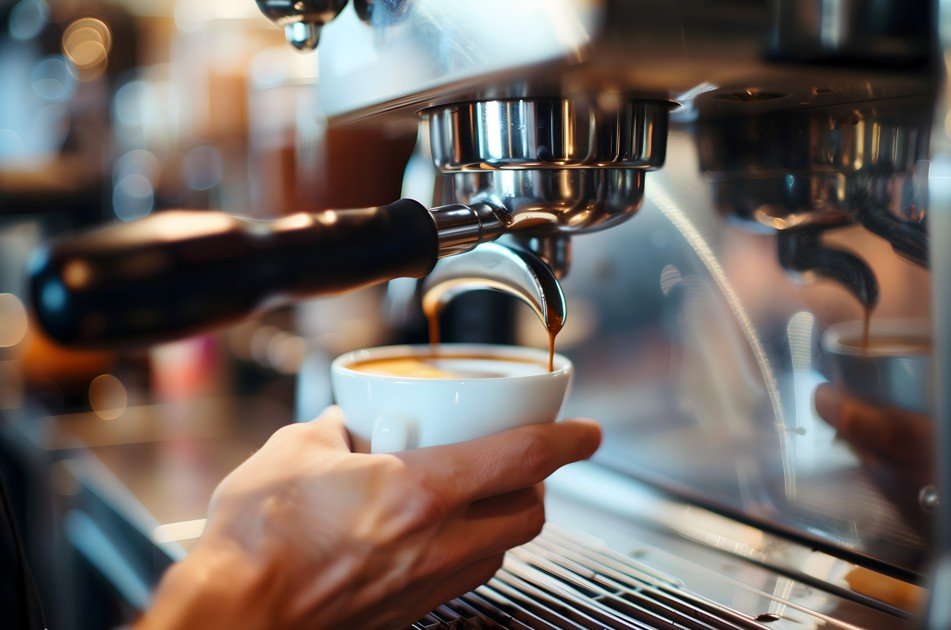
The best coffee machine in NZ for most home baristas on a budget is the Devanti 20 Bar Espresso, a stainless manual machine that pulls a real shot and steams milk for far less than the big-name brands. But the right machine depends on how hands-on the buyer wants to be, how much bench space and budget they have, and whether fresh beans or a quick pod matters more. This guide reviews ten machines available to New Zealand buyers – a built-in-grinder bean-to-cup, a flexible multi-pod capsule machine, a no-power French press, a big-batch drip brewer, a well-proven manual pump espresso, a one-touch automatic, and four affordable 20-bar manual makers.
Whichever machine wins a spot on the bench, the grind matters as much as the brew, so it is worth reading this alongside the coffee grinders guide, and pairing a manual machine with one of the milk frothers if its steam wand falls short. Each pick below is reviewed with its dimensions, real features, honest trade-offs and the exact product page so the specs can be checked before buying.
Quick comparison – Best coffee machines at a glance
# | Coffee machine | Type | Best for | Warranty |
1 | Philips Series 1200 (EP1224/00) | Bean-to-cup, grinder | Best built-in grinder upgrade | Amazon AU return policy |
2 | Vevare 3-in-1 Capsule Machine (A1) | Capsule, multi-pod | Best multi-pod flexibility | Amazon AU return policy |
3 | Easyworkz Porcelain French Press | Manual, no power | Best no-power minimalist pick | Amazon AU return policy |
4 | AUSPURE AusBrew-1812 | Drip/filter | Best big-batch drip brewer | Amazon AU return policy |
5 | De’Longhi Dedica (EC685BK) | Manual pump, 15 bar | Best proven track record | Amazon AU return policy |
6 | Sunbeam EM5000K Café Barista | Auto, one-touch milk | Best one-touch automatic with milk | Amazon AU return policy |
7 | Devanti 20 Bar Espresso (CM-06-SS) | Manual pump, 20 bar | Best budget espresso overall | 1 year |
8 | Devanti 20 Bar Cappuccino (CM-03-SS) | Manual pump, 20 bar | Best compact budget machine | 1 year |
9 | Spector 20 Bar w/ Frother (77216) | Manual pump, 20 bar | Best budget with steam wand + jug | 12 months |
10 | Spector COFF1001-MW (77215) | Manual pump, 20 bar | Best budget touch-control, white | 12 months |
A note on “20 bar”:pump pressure ratings are a marketing number. Espresso is actually brewed at around 9 bar, so a 20-bar budget machine is not “better” than a 9- or 15-bar one for that reason alone – grind, dose and technique matter far more.
How these coffee machines were chosen
Every machine here was confirmed as a live, in-stock product at the time of writing – either with a New Zealand retailer, or, for six of the ten, on Amazon Australia after explicitly checking that the product page shows New Zealand as a deliverable destination with a dated delivery estimate, not just assumed from the.com.au domain. Dimensions, tank sizes, pressure and warranty terms come from the product pages and distributor data; where a retailer’s own spec table looked inconsistent with the pictured product, that is flagged rather than repeated as fact. The four budget Devanti and Spector machines share the same 20-bar manual format, so each entry focuses on what actually sets it apart.
1. Philips Series 1200 Fully Automatic Espresso Machine – Best Built-In Grinder Upgrade
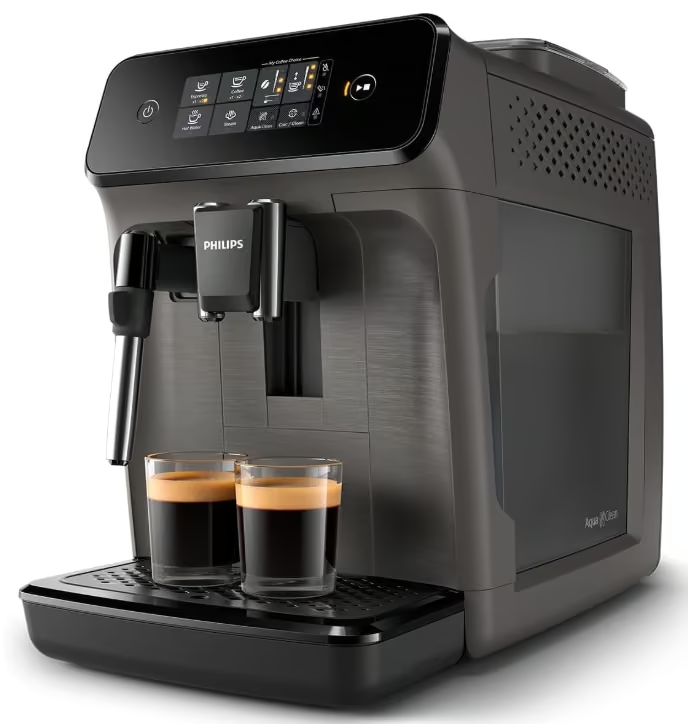
Buyers who want to grind fresh beans without buying a separate grinder should look at the Philips Series 1200 EP1224/00, the best built-in-grinder upgrade in this guide, because its ceramic burr grinder and AquaClean filter turn whole beans into espresso at the touch of a screen.
Design & shape:A 49.3 (D) × 47.3 (W) × 28.9 (H) cm cashmere-grey cabinet with a 275g bean hopper on top, sized more like a bean-to-cup machine than the compact manual units elsewhere in this guide.
Look & finish:Soft cashmere-grey body with a touch display panel – a more understated look than the metal-fronted machines elsewhere here.
Build & materials:A 100% ceramic grinder core with 12 grind settings, plus an AquaClean filter cartridge rated for roughly 5,000 cups between descales.
User experience:Bean-to-cup automation from hopper to cup, with a manual Pannarello wand for milk. Amazon owners rate it 4.1 stars from 81 ratings, though a couple flag the plastic build as feeling light for the price and note the official filter/descaler line has since been discontinued.
Performance:Espresso and lungo at the touch of a button, with beans ground fresh per cup by the ceramic burr.
Pros
- Fresh-ground ceramic burr grinder built in
- Simple touch-display controls
- AquaClean filter cuts descaling frequency
- Around 20% off RRP at time of writing
Cons
- Plastic-forward build for the price tier
- Official filter/descaler product reportedly discontinued
- Pannarello wand is manual, not automatic
- Ships from Australia, so no confirmed NZ-specific manufacturer warranty
Key specs:Bean-to-cup espresso; ceramic grinder, 12 settings; AquaClean filter (~5,000 cups); 275g hopper; 49.3×47.3×28.9 cm.
2. Vevare 3-in-1 Capsule Coffee Machine – Best Multi-Pod Flexibility
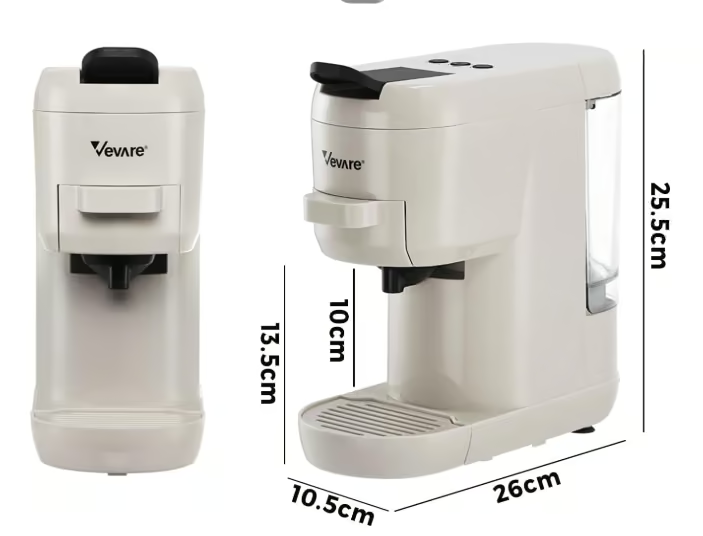
Shared households that cannot agree on one pod format should look at the Vevare A1, the best multi-pod flexibility pick here, because swap-in adaptors let one compact machine brew Nespresso-style, Dolce Gusto-style and ground coffee.
Design & shape:A slim 26 (D) × 10.5 (W) × 25.5 (H) cm, 4.1kg milk-white unit built for a tight bench.
Look & finish:A simple milk-white cabinet with a basic button panel rather than a screen.
Build & materials:19-bar pump, 1450W element and a 0.6L tank, with swappable pod adaptors covering two capsule formats plus a ground-coffee basket.
User experience:The standout is genuine three-way flexibility from one machine, useful where housemates or family prefer different pods. It is a newer listing with only 11 ratings so far (4.1 stars), and stock has been showing as low at times.
Performance:19-bar pump across all three brew formats.
Pros
- Genuine three-way pod compatibility
- Compact 26cm-deep footprint
- Easy to clean between pod types
- Useful for shared households with mixed pod preferences
Cons
- Small review base (11 ratings) so track record is still unproven
- Small 0.6L tank means frequent refills
- Low stock levels reported at time of writing
- Ships from Australia, so no confirmed NZ-specific manufacturer warranty
Key specs:Multi-format capsule machine; 19 bar; 1450W; 0.6L tank; 26×10.5×25.5 cm; 4.1kg.
3. Easyworkz Porcelain French Press – Best No-Power, Minimalist Pick
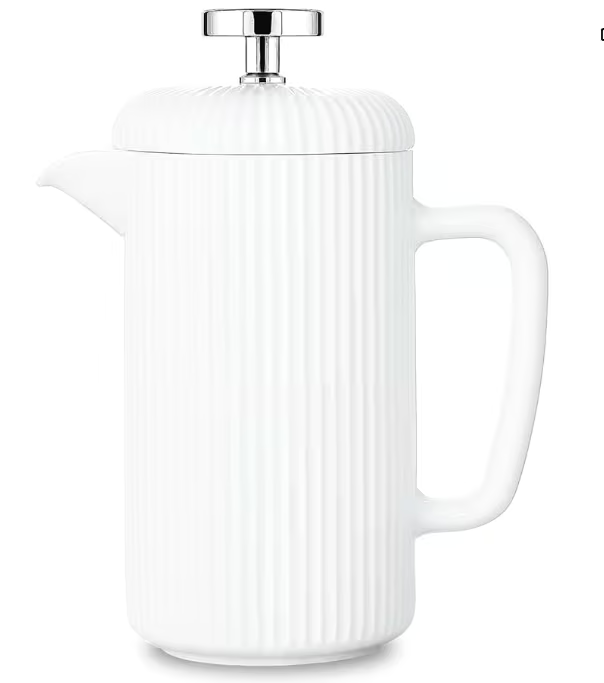
Buyers who want good coffee without a power point at all should look at the Easyworkz Porcelain French Press, the best no-power pick in this guide, because its ceramic body and stainless plunger brew a full-bodied cup with nothing to plug in.
Design & shape:An 8.8 (D) × 12 (W) × 19.8 (H) cm ivory ceramic body with a stainless-steel plunger and lid – the only pick here that needs no power point.
Look & finish:Ribbed porcelain exterior with a stainless lid and plunger – a bench-top piece as much as a brewer.
Build & materials:Dishwasher-safe ceramic body and stainless mesh plunger, 650ml capacity.
User experience:Manual immersion brewing rather than pump extraction, so there is no pressure rating to speak of. The ceramic body holds heat well, and it doubles for tea, cold brew and even hand-frothed milk. It is the highest-rated of the six new picks here, at 4.8 stars from 52 ratings.
Performance:No pump – brew is by steep time and plunge, roughly four minutes for a full-bodied cup.
Pros
- Outstanding 4.8-star rating
- Strong heat retention
- Doubles as a tea, cold-brew and frothing vessel
- No power needed at all
Cons
- Opaque ceramic hides the water/coffee level
- Heavier to handle than a glass press
- Needs a separate grinder set to a coarse grind
- Ships from Australia, so no confirmed NZ-specific manufacturer warranty
Key specs:Manual French press; 650ml; ceramic body and stainless plunger; 8.8×12×19.8 cm; dishwasher safe.
4. AUSPURE AusBrew-1812 Coffee Maker – Best Big-Batch Drip Brewer
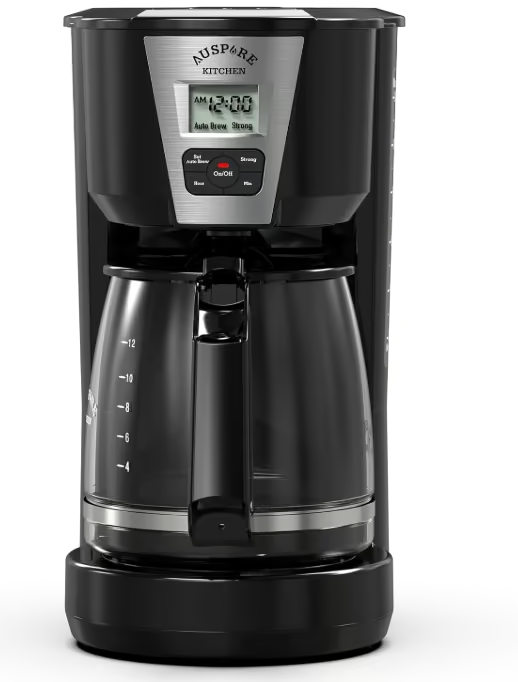
Households that want a full pot rather than single shots should look at the AUSPURE AusBrew-1812, the best big-batch drip brewer here, because its 1.8L carafe and permanent filter turn out 12 cups without buying paper filters.
Design & shape:A 19.5 (D) × 18 (W) × 33 (H) cm black drip machine with a 1.8L, 12-cup carafe.
Look & finish:A simple black plastic-and-glass drip design with a keep-hot plate – the most traditional filter-coffee look in this guide.
Build & materials:A permanent mesh filter (no paper filters to buy), a 24-hour programmable timer and an anti-drip pause-and-pour function.
User experience:The one pure drip-filter machine in this lineup, aimed at brewing a full pot rather than single shots. It carries an Amazon’s Choice badge and 295 ratings at 4.5 stars, with Amazon’s review summary citing “excellent quality, simple to use, great-tasting coffee.”
Performance:1.8L/12-cup batch brewing; no espresso or milk function.
Pros
- Large 12-cup batch capacity
- Reusable permanent filter saves on paper filters
- 24-hour programmable timer
- Strong 4.5-star rating across 295 reviews
Cons
- No espresso, pressure or milk-frothing function at all
- Keep-hot plate can over-extract coffee left sitting
- Needs bench space for the tall 33cm body
- Ships from Australia, so no confirmed NZ-specific manufacturer warranty
Key specs:Drip/filter coffee maker; 1.8L/12-cup; permanent filter; 24-hour timer; 19.5×18×33 cm.
5. De’Longhi Dedica Pump Espresso – Best Proven Track Record
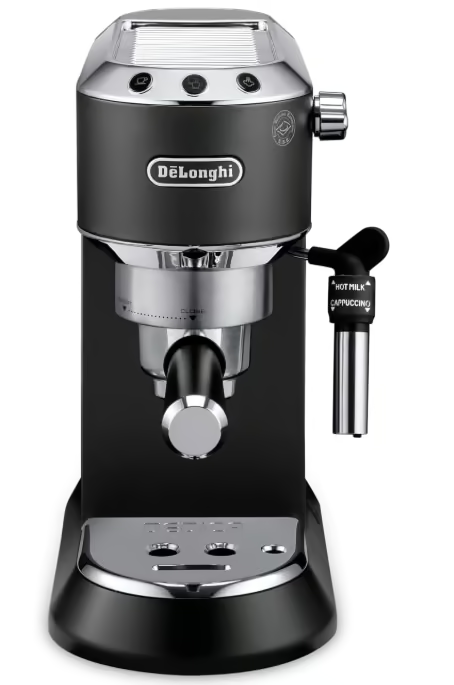
Buyers who want the reassurance of a huge owner base should look at the De’Longhi Dedica EC685BK, the best proven-track-record pick here, because it carries by far the largest review count of any machine in this guide.
Design & shape:A genuinely slim, roughly 15cm-wide black unit, as De’Longhi’s own listing describes it. Amazon’s own spec table separately lists an implausibly small 11.9×13×5.9cm for this SKU, which looks like a data-entry error for a machine this size rather than the true footprint, so treat that figure with caution.
Look & finish:Matte black, metal-fronted body in De’Longhi’s classic Dedica styling – looks more premium than its price suggests.
Build & materials:15-bar pump, 1L water tank and an adjustable Cappuccino System steam wand for manual frothing.
User experience:By far the most-reviewed machine in this guide – 20,494 ratings at 4.2 stars – giving buyers an unusually large track record to judge from. Amazon’s review summary highlights “makes awesome coffee,” “compact” and “easy to use” as recurring themes, though some owners report the portafilter baskets are dose-sensitive and prone to clogging, and a minority report failures after around a year.
Performance:15-bar pump extraction with manual steam-wand frothing.
Pros
- Enormous 20,000+ review track record
- True ~15cm-wide footprint for tight benches
- Adjustable manual frother
- Around 38% off RRP at time of writing
Cons
- Portafilter baskets can be fussy about dose and grind
- Some owners report failures after roughly a year
- Manual frothing only, no automatic milk system
- Ships from Australia, so no confirmed NZ-specific manufacturer warranty
Key specs:Manual pump espresso; 15 bar; 1L tank; ~15cm wide; adjustable steam wand.
6. Sunbeam EM5000K Café Barista – Best One-Touch Automatic with Milk
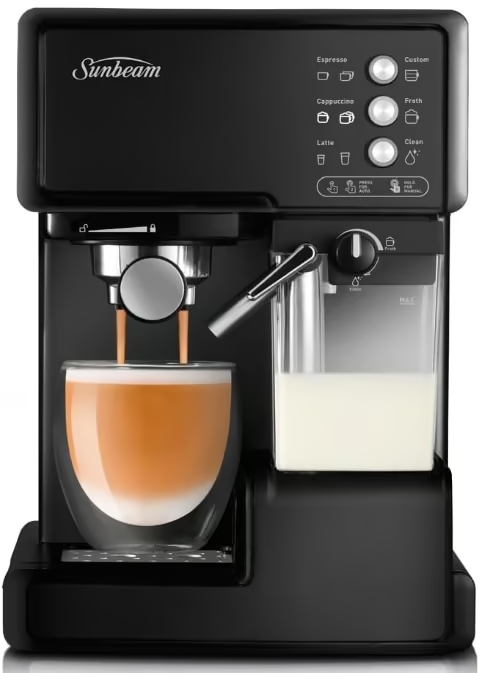
Buyers who want café-style milk drinks with zero barista technique should look at the Sunbeam EM5000K Café Barista, the best one-touch automatic pick here, because it presses a single button for espresso, cappuccino or latte and handles the milk itself.
Design & shape:A one-touch unit built around a 2L water tank and a separate 470ml milk reservoir designed to be stored in the fridge between brews. Amazon’s own listed dimensions (8.8×10.6×12.6cm) look too small to be the full machine and are likely a data-entry error, so check the current listing for confirmed measurements.
Look & finish:A simple, appliance-style black-and-stainless finish built around a small button panel rather than a touchscreen.
Build & materials:15-bar pump, 2L tank and a 470ml removable, fridge-storable milk reservoir.
User experience:The standout here is genuinely automatic milk texturing – press a button for espresso, cappuccino or latte and the machine handles the milk, no technique required. It is the current #1 best seller in its Amazon category, with 404 ratings at 4.2 stars, though Amazon’s review summary flags mixed long-term reliability, with some owners reporting it stops working after a few months.
Performance:15-bar pump with one-touch espresso, cappuccino and latte presets.
Pros
- Genuinely automatic milk texturing, no technique needed
- Large 2L tank plus a separate fridge-cold milk reservoir
- #1 best seller in its Amazon category
- Around 53% off RRP at time of writing
Cons
- Some owners report failures after a few months
- No built-in grinder – not a fresh-bean machine
- Listed dimensions on Amazon appear unreliable – confirm before buying
- Ships from Australia, so no confirmed NZ-specific manufacturer warranty
Key specs:One-touch auto espresso; 15 bar; 2L tank; 470ml milk reservoir; one-touch milk presets.
7. Devanti Coffee Machine – Best Budget Espresso Machine Overall
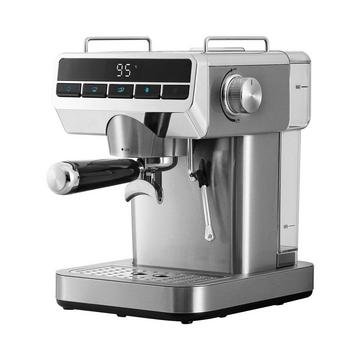
The best value espresso machine in NZ for a first home setup is the Devanti CM-06-SS, because its full metal body, near-instant heat-up and built-in LED temperature readout punch well above a budget price. It is the most complete of the cheap 20-bar machines here.
Design & shape:A compact stainless unit measuring 21 (W) × 27 (D) × 32.5 (H) cm, small enough for a standard kitchen bench but solid in the hand thanks to a full metal housing.
Look & finish:Brushed stainless steel with an LED temperature display and single/double-cup buttons – a more premium look than the plastic-fronted budget rivals.
Build & materials:Metal body, aluminium filter baskets and a diecast aluminium portafilter that locks up firmly; a 1360W instant-heat element gets it to temperature in well under a minute.
User experience:A manual portafilter machine, so it rewards a little technique. An independent Australian review of the same unit praises stable shot-to-shot pressure, the genuinely useful temperature readout and a microfoam-capable steam wand. A 1.2L removable tank and a top mug-warmer round it out.
Performance:20-bar pump (extracting at the usual ~9 bar in the cup), single or double shots, and a milk-frothing steam wand. Weight is not published by the retailer.
Pros
- Full metal build at a budget price
- Fast instant heat-up
- LED temperature display
- 1.2L tank and mug warmer
Cons
- Manual machine with a learning curve
- Single boiler – brief pause between brewing and steaming
- Only a 12-month warranty
- No programmable shot volumes
Key specs:Manual pump espresso; 20 bar; 1360W; 21×27×32.5 cm; 1.2L tank; LED temp display; 1-year warranty.
8. Devanti Espresso Maker – Best Compact Budget Machine
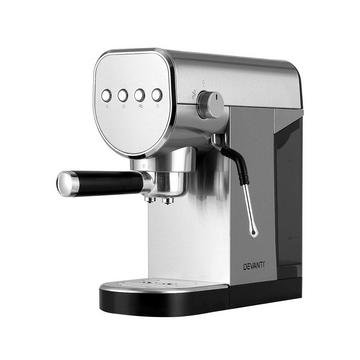
For a tiny kitchen or a first flat, the Devanti CM-03-SS is the best compact budget pick, because at just 14cm wide it squeezes a real portafilter espresso machine into spaces a normal machine cannot reach. It trades tank size and features for a slim footprint.
Note: this listing is a delivery-only, dropshipped item; confirm availability and lead time before ordering.
Design & shape:A notably narrow 14 (W) × 29 (D) × 30 (H) cm silver cabinet with a short 75cm cord, built for small benches, caravans or studio apartments.
Look & finish:Plain silver stainless finish with simple, no-display controls – more pared-back than the CM-06 above.
Build & materials:Metal body, aluminium filter and a diecast aluminium portafilter, with a 1360W instant-heat element.
User experience:A manual machine with a milk-frothing wand for cappuccinos and lattes; the 0.9L tank is smaller than the CM-06, so it needs refilling more often. Owner feedback for the Devanti 20-bar range is positive on value and froth, though it is range-level rather than specific to this exact unit.
Performance:20-bar pump, single/double shots and milk frothing. No LED display or programmable volumes.
Pros
- Very narrow 14cm footprint
- Real portafilter espresso for small spaces
- Milk-frothing wand
- Mug warmer and removable drip tray
Cons
- Small 0.9L tank means frequent refills
- Delivery-only, dropshipped from Australia (~15 working days)
- No temperature display
- Manual technique required
Key specs:Manual pump espresso; 20 bar; 1360W; 14×29×30 cm; 0.9L tank; 1-year warranty.
9. Spector Coffee Machine – Best Budget Machine with a Proper Steam Wand
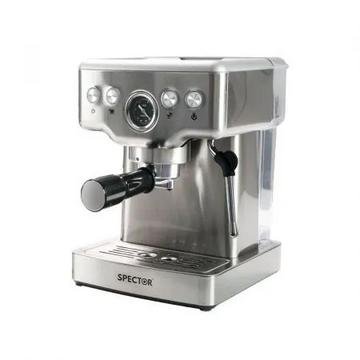
Beginners who want to learn milk texturing should look at the Spector 77216, the best budget pick here for milk drinks, because it ships with a 350ml milk jug and a steam wand owners rate highly. It is a stainless machine aimed squarely at flat-white drinkers on a budget.
Design & shape:A stainless steel unit measuring 21 (L) × 26.5 (W) × 29 (H) cm, a low, wide footprint that sits neatly under most overhead cupboards.
Look & finish:Silver metal body with push-button controls and a pressure dial – a simple, functional fascia rather than a screen.
Build & materials:Stainless steel and plastic construction running on a 1350W element, with pre-infusion that wets the puck before full pressure to reduce channelling.
User experience:The standout is the manual steam wand and included 350ml jug; Australian owners of the same machine report café-like cappuccinos once the grind is dialled in, and some say it froths better than a pricier machine they owned. Single and double baskets and a tamper are included.
Performance:20-bar pump with pre-infusion, single or double shots. Tank capacity and weight are not stated on this SKU’s spec sheet.
Pros
- Steam wand and 350ml jug included
- Pre-infusion for steadier extraction
- Stainless body
- Pressure dial and push-button controls
Cons
- Tank capacity not published for this model
- Some owners report inconsistent pressure mid-brew
- Tight cup clearance for tall mugs
- 12-month warranty only
Key specs:Manual pump espresso; 20 bar; 1350W; 21×26.5×29 cm; pre-infusion; 350ml jug included; 12-month warranty.
10. Spector Espresso Coffee Maker – Best Budget Touch-Control Machine
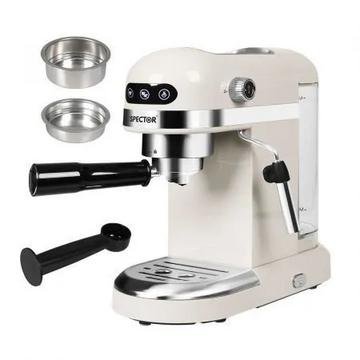
Buyers who want budget espresso to match a modern white kitchen should pick the Spector COFF1001-MW, the best-looking value machine here, thanks to its milk-white finish and touch-screen controls. It is the style choice among the cheap machines.
Design & shape:A taller, squarer 15 (L) × 32 (W) × 32 (H) cm cabinet weighing 3.2kg, with a long 150cm cord for flexible placement.
Look & finish:A clean milk-white body (also sold in black and mint) with a touch-screen control panel and a top mug warmer – more contemporary than the metal Spector.
Build & materials:Stainless steel and ABS plastic with a stainless filter, an aluminium-alloy boiler and a removable stainless drip tray; SAA-approved and rated 1350W.
User experience:Touch controls replace the physical buttons of the 77216, and an adjustable steam wand handles milk – though, unlike the 77216, no milk jug is included. A 1.4L removable tank is among the larger budget tanks here.
Performance:20-bar pump, single or double shots, 1.4L tank. Froth quality is polarising in owner reviews, so technique and a separate jug help.
Pros
- Touch-screen controls
- Larger 1.4L tank
- Milk-white styling for modern kitchens
- Mug warmer and removable drip tray
Cons
- No milk jug included
- ABS-plastic-forward build
- Inconsistent froth reported by some owners
- 12-month warranty
Key specs:Manual pump espresso; 20 bar; 1350W; 15×32×32 cm; 3.2kg; 1.4L tank; touch controls; 12-month warranty.
How to Choose the best coffee machine in NZ
Manual vs bean-to-cup vs pod vs filter
Manual portafilter machines (like the Devanti, Spector and De’Longhi Dedica units) are generally the cheapest and most hands-on – they reward technique but need a separate grinder for the best results. Bean-to-cup machines such as the Philips Series 1200 build a grinder in and automate the shot itself, while fully automatic machines like the Sunbeam EM5000K go a step further and texture the milk too. Pod machines like the Vevare 3-in-1 trade fresh beans for one-touch convenience – and increasingly support more than one capsule format. For no power point at all, a manual brewer like the Easyworkz French press or a big-batch drip machine like the AUSPURE AusBrew-1812 covers filter-style coffee instead of espresso.
Does “20 bar” actually matter?
Not really. Pump pressure is a marketing figure: espresso is brewed at about 9 bar regardless of whether a machine advertises 15 or 20. A higher number does not make better coffee. What matters far more is a consistent grind, the right dose and a steady extraction – which is why a good grinder is worth as much attention as the machine.
Spend on the grind, not just the machine
Experienced baristas often say the grinder matters more than the machine, because an even, fresh grind is what produces good extraction and crema. Buyers pairing a budget manual machine with a quality grinder from the best coffee grinders guide will usually get better coffee than from a pricier all-in-one with a weak grinder. If a machine’s steam wand disappoints, a standalone unit from the best milk frothers guide is an easy fix.
Water, bench space and upkeep
Coffee is mostly water, so filtered water improves taste and protects the machine from scale – worth checking the best water filters in hard-water areas. Measure the bench too: the Philips Series 1200 (49.3cm wide) needs real space, while the slim 14cm Devanti models and the roughly 15cm-wide De’Longhi Dedica suit tight kitchens. Whatever the choice, regular cleaning and descaling are what keep a machine going for years.
Warranty and after-sales support
Warranty coverage differs by source here: the four New Zealand-retailer picks (the Devanti and Spector machines) carry a 12-month manufacturer warranty through their local NZ seller. The six Amazon-sourced picks ship cross-border from Amazon Australia, so there is no confirmed local NZ manufacturer warranty – buyers are covered by Amazon’s standard return and refund policy instead, which is worth reading before buying rather than assuming local after-sales support.
To round out the coffee corner, the guide to coffee beans is worth reading next.
The verdict
With ten machines now covered, the Devanti 20 Bar CM-06-SS remains the best-value entry into home espresso in NZ, offering a metal build and real steam wand for very little outlay. Beginners chasing milk drinks on a budget should look at the Spector 77216 with its included jug, while a tight kitchen is best served by the slim Devanti CM-03 or the almost-as-narrow De’Longhi Dedica. Stepping up, the Philips Series 1200 is the pick for anyone who wants a built-in grinder without buying a separate machine, the Sunbeam EM5000K is the easiest route to automatic milk drinks, and the Vevare 3-in-1 suits households that cannot agree on one capsule format. For a no-power option, the Easyworkz French press is the highest-rated pick here, and the AUSPURE AusBrew-1812 is the one to choose for brewing a full pot rather than single shots. Whichever machine wins a spot on the bench, check whether it ships from a New Zealand retailer or from Amazon Australia, since that changes what warranty and returns actually look like.
Manual espresso rewards practice, so if nobody in the house wants the learning curve, a pod coffee maker gets everyone drinking sooner.
FAQs
What is the best coffee machine for home in NZ?
It depends on budget and effort. For value, a manual 20-bar machine like the Devanti pulls a real shot cheaply; for café-style drinks with less fuss, the Philips Series 1200 or Sunbeam EM5000K add a built-in grinder or automatic milk; for one-touch convenience, a pod machine like the Vevare 3-in-1 wins. Match the machine to how hands-on you want to be.
Is it cheaper to make coffee at home than buy from a cafe?
Usually, yes. With NZ cafe coffees each, even a mid-priced machine often pays for itself within months for a daily drinker. Beans cost far less per cup than a cafe, though pods sit in between – more than beans, less than a cafe. Factor in milk, power and the occasional descale.
Does bar pressure matter – is 20 bar better than 15 bar?
No. Espresso is extracted at about 9 bar regardless of a machine’s advertised 15 or 20 bar, so the higher number is marketing rather than better coffee. Grind consistency, dose and technique make far more difference. Treat “20 bar” as a headline figure, not a quality measure when comparing machines.
What is the difference between manual, automatic and bean-to-cup machines?
A manual machine lets you control grinding (usually separately), dosing and extraction by hand. Bean-to-cup machines grind beans and brew at the push of a button. Fully automatic models like the Sunbeam EM5000K add one-touch milk texturing on top of that. More automation means more convenience and a higher price.
Are pod or capsule machines worth it?
Pod machines are worth it for speed, consistency and low effort, which is why offices and busy households like them. The trade-offs are higher cost per cup than beans and, on most machines, being locked into one capsule system – though newer multi-format machines like the Vevare 3-in-1 get around that. For fresh-ground flavour and lower running costs, an espresso or bean-to-cup machine is the better long-term buy.
How much should I spend on a coffee machine in NZ?
A capable budget espresso machine can be had cheaply, a quality bean-to-cup or touchscreen all-in-one costs significantly more, and prosumer machines climb higher again. A useful rule is to budget for a decent grinder too – splitting spending between machine and grind often beats putting it all into one expensive machine.
Is the grinder more important than the machine?
For espresso, the grinder is arguably more important. An even, fresh grind drives good extraction and crema, so a modest machine with a great grinder usually beats an expensive machine fed by a poor one. Built-in grinders (as on the Philips Series 1200) help, but a dedicated grinder offers more control.
Is it safe to buy a coffee machine from Amazon Australia for delivery to NZ?
It can be, but check the listing yourself rather than assuming: look for an explicit “Deliver to New Zealand” banner and a dated delivery estimate on the product page, not just the.com.au domain – six of the picks in this guide were verified that way. Keep in mind these ship under Amazon’s return and refund policy rather than a local New Zealand manufacturer warranty.
