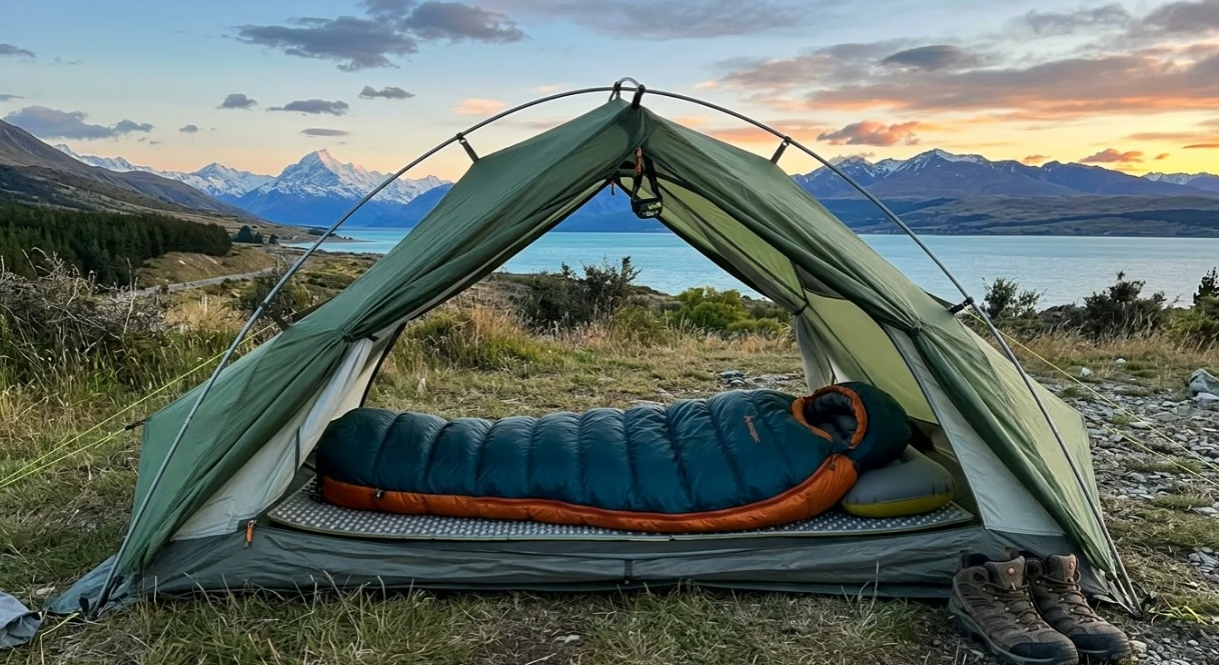
The best sleeping bag in NZ for most campers is the Weisshorn Single 0°C Comfort, which delivers genuine winter-rated warmth in a single-person bag that suits tramping huts, alpine approaches, and colder-season campgrounds around New Zealand. For couples, the Weisshorn Double 5°C is the standout option. Families heading out with school-age children have two Weisshorn kids options in different colours – neither requiring premium outdoor-brand pricing for campground use.
NZ camping covers a wider temperature range than most people plan for – a Northland beach night in January might hover at 15°C, while a South Island high-country camp in April can drop below -5°C. Choosing the right bag for the expected conditions makes the difference between a restorative night and three hours of shivering. Pairing a good bag with a camping air mattress also matters: cold rising from the ground accounts for more heat loss than most sleepers realise.
Quick Comparison: Best Sleeping Bags in NZ
| # | Sleeping Bag | Best for | Temp Rating | Type |
|---|---|---|---|---|
| 1 | Weisshorn Single 0°C | Winter camping | -20°C to +10°C | Single, opens flat |
| 2 | Weisshorn Double 5°C | Couples camping | -10°C to +15°C | Double |
| 3 | Weisshorn Kids 172cm (Blue) | School-age campers | 3-season | Kids mummy |
| 4 | Derway Down Mummy | Lightweight down single | 0°C to -15°C comfort (800g fill) | Single mummy, down |
| 5 | Derway Down Envelope | General camping | About 3°C comfort | Semi-rectangular, down |
| 6 | Weisshorn Kids 172cm (Pink) | Budget kids pick | -5°C to +20°C | Kids single |
1. Weisshorn Sleeping Bag Single – Best for Winter Camping
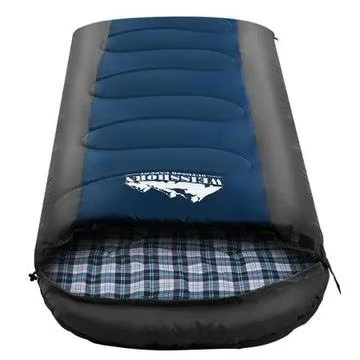
The Weisshorn Single 0°C Comfort is the best sleeping bag in NZ for winter camping, with a listed range of -20°C to +10°C and a 0°C comfort rating that suits cold-season campgrounds, South Island high-country sites in autumn and frosty nights in a hut or campervan. It is a full-length single bag with dual zips that can be opened right out flat and used as a blanket or a mat on warmer nights.
Warmth comes from two layers of 260gsm synthetic hollow fibre between a 190T polyester ripstop outer and a soft 190T polyester pongee lining. The outer is water-resistant and holds up to tent-floor abrasion, and a shoulder tightening strap helps hold the warmth in on the coldest nights. A separate foot zip lets you vent your feet without opening the whole bag.
The trade-off for that warmth is size and weight. At 208cm x 82cm it is roomy for most adults, but it weighs 2.7kg and packs to roughly 36cm x 48cm in its carry bag, so it suits car camping and base camps rather than multi-day tramping. Comfort ratings also vary with the sleeper, so pair it with an insulated mat on frozen ground.
Pros: Genuine 0°C comfort rating covers cold NZ nights, two layers of hollow fibre fill, opens flat as a blanket, foot zip for ventilation, carry bag included.
Cons: Heavy at 2.7kg, bulky packed size, too big for a tramping pack.
Key specs: 0°C comfort | -20°C to +10°C range | Single, opens flat | 208cm x 82cm | 2 x 260gsm hollow fibre fill | 190T ripstop outer, pongee lining | 2.7kg | Carry bag included | Navy
2. Weisshorn Sleeping Bag Double – Best for Couples Camping
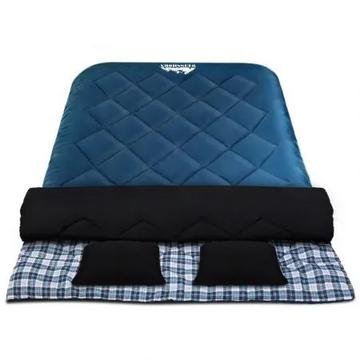
The Weisshorn Double 5°C Comfort is the best double sleeping bag in NZ for couples who camp together regularly, offering a shared bag wide enough for two adults to sleep side by side. Its listed range of -10°C to +15°C suits three-season camping across New Zealand, from summer beach campgrounds to cooler autumn nights inland.
At 220cm x 150cm it gives two sleepers room to shift overnight, and two pillows come in the box. The outer is 190T polyester ripstop with a smooth 190T pongee lining, filled with 300gsm synthetic hollow fibre. Double zips let you vent it on warm nights, and the whole bag unzips flat to use as a blanket.
It also unzips into two single bags, which makes it more flexible than most doubles if one person wants to use it solo later. The main limitation is bulk: a double this size is a car-camping or campervan item rather than something to carry on a tramp.
Pros: True double width for two adults, converts into two single bags, two pillows included, opens flat as a blanket, ripstop outer resists abrasion.
Cons: Too bulky for backpacking, 5°C comfort is not a winter rating.
Key specs: 5°C comfort | -10°C to +15°C range | Double, converts to two singles | 220cm x 150cm | 300gsm hollow fibre fill | 190T ripstop outer, pongee lining | 2 pillows and carry bag included | Navy
3. Weisshorn Kids Sleeping Bag – Best for School-Age Campers
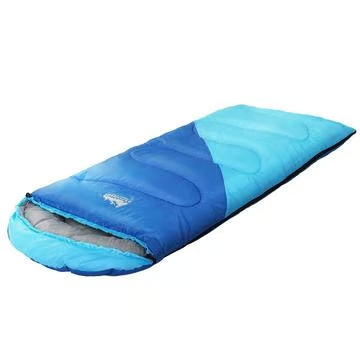
The Weisshorn Kids 172cm sleeping bag from TSB Living is the best kids sleeping bag in NZ for school-age children – properly proportioned at 172cm for children aged approximately 8 through to 13 years, and sized to avoid the cavernous adult-bag problem where children wake cold from excess air space around them. The mummy silhouette contours closer to a child’s frame than a rectangular bag does, and the hood draws down snugly to cover smaller heads overnight without fabric pooling around the face.
The outer is 190T polyester in a bright blue colourway that holds colour well after repeated machine washing – a practical priority when the bag is going on school camps and group trips where gear takes real punishment. The hollow fibre fill handles light moisture and morning condensation without immediately losing loft, which gives it an advantage over entry-level down bags at this price point where wet fill can become a cold problem by 2am.
The carry bag keeps everything contained for transport and storage in a school locker or gear cupboard. Parents who have taken this bag on family camping trips and school-run outdoor education programmes report that children manage the zip independently from around age 8 without adult help – the anti-snag guard is a quiet detail that prevents mid-night frustration. The main limitation is length: at 172cm, teens above roughly 165cm will feel feet pressing against the base, and at that point an adult 205cm bag is the right next step.
Pros: Properly scaled for children, contoured hood prevents overnight cold gaps, washable synthetic fill, easy-entry zip with anti-snag guard, compact carry bag.
Cons: 172cm length suits children up to approximately 165cm only, three-season rating – not suitable for NZ winter alpine nights.
Key specs: SKU PR12924 | 172cm length | 190T polyester outer | Hollow fibre fill | Mummy style | Blue | Carry bag included
4. Derway Down Mummy Sleeping Bag – Best Lightweight Down Pick
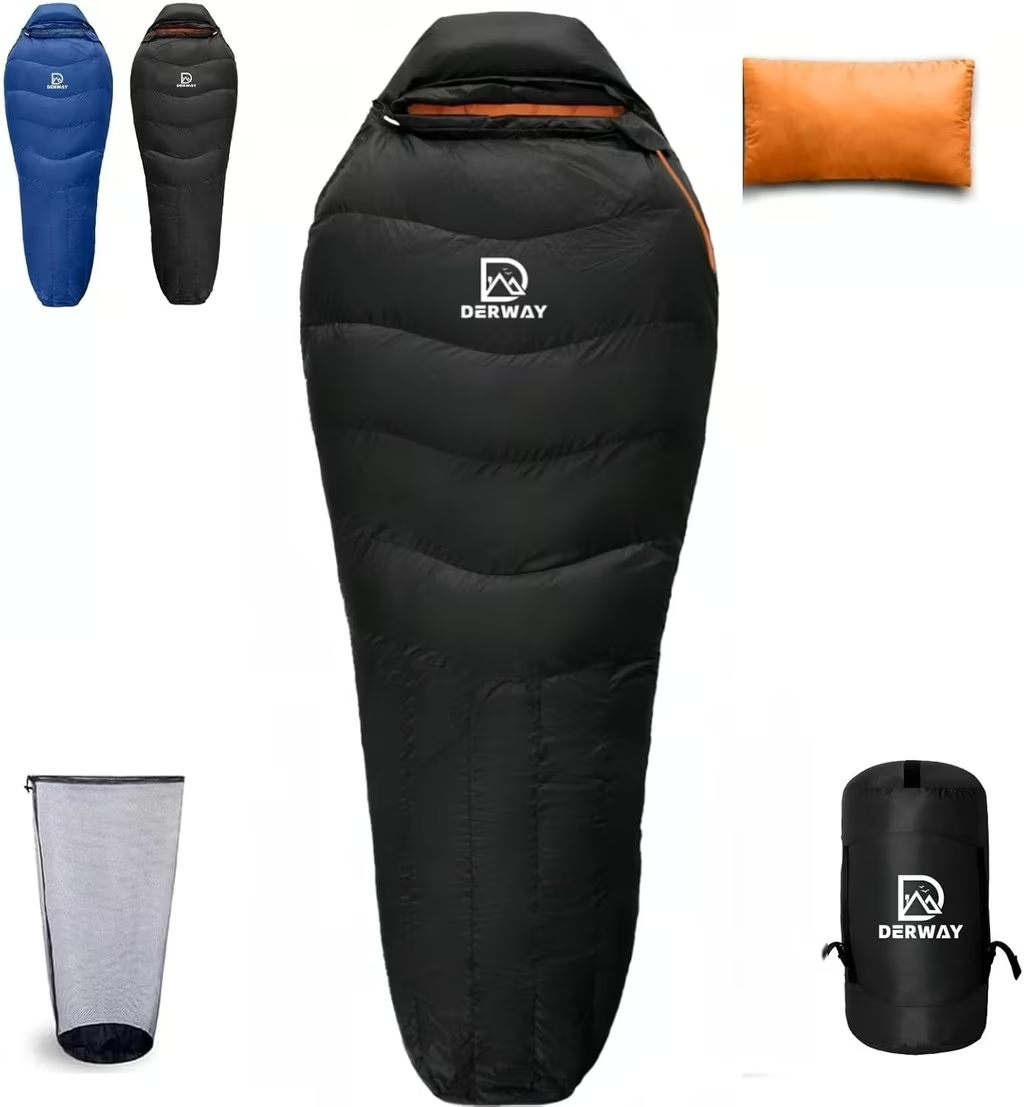
The Derway down mummy bag is the pick for trampers who need warmth without the weight and bulk of a synthetic bag. It is filled with 680-fill-power duck down in baffle boxes that stop the down shifting, and the listing quotes a total weight of 1.38kg with a packed size of about 18cm x 35cm, so it fits in a tramping pack alongside a tent and stove.
The bag is sold in 500g and 800g fill versions, so check which one is selected. Derway gives a comfort range of about 8°C to 0°C for the 500g fill and 0°C to -15°C for the 800g fill, which makes the heavier version the one for alpine huts and winter trips. At 220cm x 85cm it suits most adults, and the tapered mummy shape keeps the air space around you small.
A detachable 80g pillow and a compression bag are included, and the hood drawcords are reflective so they are easy to find in the dark. Two bags in different colours can be zipped together into a double. The usual down caveat applies: down loses much of its warmth if it gets wet, so keep it dry in a pack liner, and it has a short owner track record so far.
Pros: Light and compact for a warm bag, 680-fill-power down in baffle boxes, detachable pillow included, two bags zip together into a double.
Cons: Down loses warmth when wet, fill version must be checked when ordering, few owner ratings so far.
Key specs: 680FP duck down | 500g or 800g fill | Comfort 0°C to -15°C (800g fill) | Mummy | 220cm x 85cm | 1.38kg | Packs to 18cm x 35cm | Pillow and compression bag included
5. Derway Down Envelope Sleeping Bag – Best General Purpose
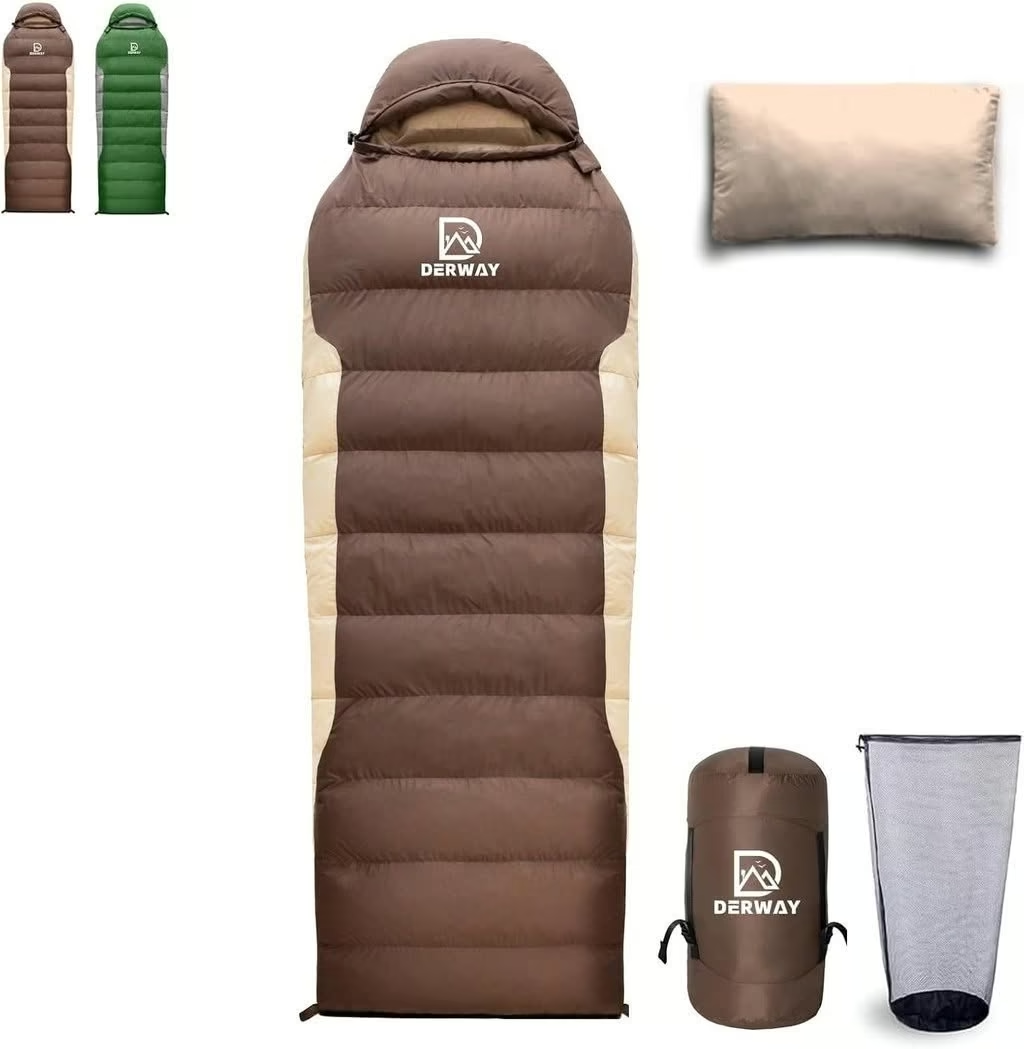
The Derway down envelope bag is the most versatile all-rounder here: a semi-rectangular shape with room to move, warm down fill, and zips that let it double as a quilt. This version has 800g of 680-fill-power duck down, with a listed comfort rating of about 3°C, which covers most NZ camping outside deep winter.
At 220cm x 80cm it gives restless sleepers more space than a mummy bag, yet it weighs only about 1.4kg and packs to around 18cm x 35cm. Two two-way zips mean it can be opened out as a blanket, and there is an internal pocket with a snap fastener for a phone or keys, plus a removable 80g pillow.
The coffee bag has its zip on the left and a matching green version zips on the right, so two can be joined into a double. As with any down bag it needs keeping dry, and the roomier shape is less efficient on very cold nights than a fitted mummy bag.
Pros: Roomy semi-rectangular shape, light and compact for its warmth, opens out as a quilt, internal valuables pocket, pillow included.
Cons: Down loses warmth when wet, less thermally efficient than a mummy bag, few owner ratings so far.
Key specs: 680FP duck down | 800g fill | Comfort about 3°C | Semi-rectangular | 220cm x 80cm | About 1.4kg | Packs to 18cm x 35cm | Pillow and compression bag included | Coffee
6. Weisshorn Kids Sleeping Bag (Pink) – Best Budget Kids Pick
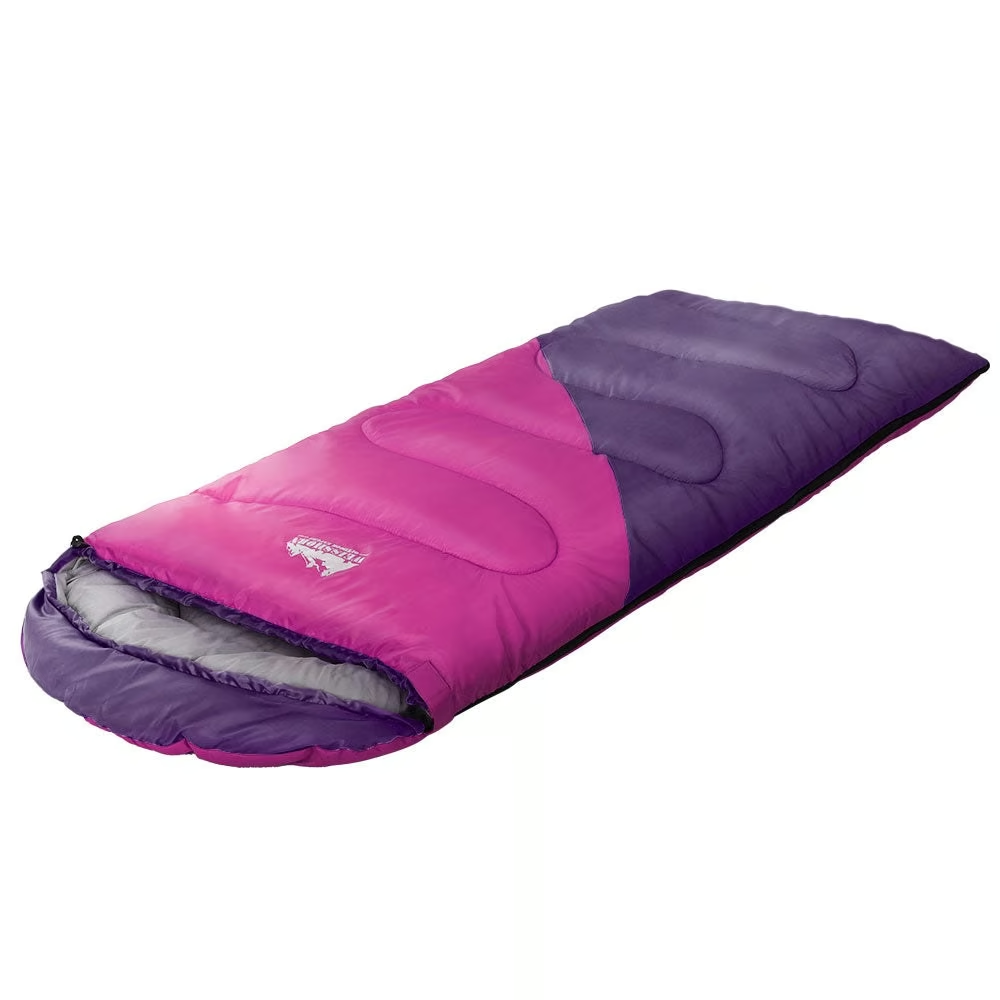
The pink Weisshorn Kids 172cm bag is the same children’s thermal bag as pick 3 in a different colourway, which makes it handy for families buying for two children who want to tell their bags apart. It is a budget-friendly way to kit out school camp and family holiday trips without paying outdoor-brand prices for a bag a child will outgrow.
At 172cm x 70cm it suits children from about 8 years through to early teens. It is filled with 250gsm hollow fibre inside a 190T polyester ripstop outer and soft pongee lining, weighs 1.05kg, and is listed for temperatures between -5°C and 20°C with a comfort rating of 10°C, so it is a three-season bag for campgrounds rather than winter alpine nights.
Double-opening zips, a velcro closure and an adjustable tightening strap make it easy for kids to manage, and it can be opened out as a play or picnic mat. A carry bag is included. A good companion to a set of headlamps for children and a family beach tent for summer coastal trips. The 172cm length caps at roughly 165cm height, so tall teens will need an adult bag.
Pros: Budget-friendly for families, pink colourway tells siblings’ bags apart, washable synthetic fill, opens out as a play mat, carry bag included.
Cons: 172cm length suits children up to about 165cm, 10°C comfort rating is three-season only, no internal pocket.
Key specs: 10°C comfort | -5°C to 20°C range | 172cm x 70cm | 250gsm hollow fibre fill | 190T ripstop outer, pongee lining | 1.05kg | Pink | Carry bag included
How to Choose a Sleeping Bag in NZ
Temperature rating is the single most important factor. NZ summer lowland camping rarely drops below 10°C overnight, but South Island high-country camping can hit -10°C in March, and Fiordland weather can change dramatically within a single trip. A bag rated at least 5°C colder than the lowest expected temperature provides the right safety margin. The comfort rating is the useful number – it indicates the temperature at which a standard sleeper stays genuinely warm, not just survives the night. The “lower limit” or “extreme” ratings on bags describe survival conditions, not comfortable sleep.
Mummy vs rectangular: Mummy bags (tapered hood and footbox) are thermally efficient because the internal volume the body has to heat is smaller. They are the right call for tramping, hut camping, and cold-weather use where every degree of retained warmth counts. Rectangular or envelope bags have more room to move, unzip fully flat as a duvet, and are more comfortable for restless sleepers – better for campground trips, motorhomes, and warmer conditions where thermal efficiency matters less.
Synthetic fill vs down: Synthetic hollow fibre fill, used in all four Weisshorn bags in this guide, retains warmth even when damp and dries faster after washing – both real advantages for NZ’s variable weather and condensation-heavy tent environments. Down offers a better warmth-to-weight ratio but loses significant performance when wet and costs considerably more for quality versions. For general NZ camping, families, and beach trips, synthetic fill is the practical choice. For ultralight tramping with careful weather management, down becomes worth considering, which is where the two Derway bags fit in.
Size: A bag too small creates pressure at the feet and restricts shoulder movement during sleep. Too large, and cold air pools in the excess space around the body. Most NZ adults need a bag 205-215cm long; children aged 8-14 fit standard 172cm kids bags well. For tramping trips, check the best hiking boots guide alongside this one – footwear is the other half of the overnight comfort equation on multi-day routes.
Verdict
For most NZ campers, the Weisshorn Single 0°C Comfort (pick 1) is the best all-round single sleeping bag – it handles genuine winter conditions and uses durable ripstop construction. Couples camping together will find the Weisshorn Double 5°C (pick 2) more practical than two singles for three-season campground use, while trampers who need to save weight should look at the Derway down mummy bag (pick 4). For families, either Weisshorn kids 172cm option delivers the same core build – pick 3 in blue or pick 6 in pink.
For a complete camping kit, pair any of these with the top-rated camping air mattresses in NZ to prevent cold transfer from the ground, which accounts for a significant share of overnight heat loss on uninsulated tent floors.
FAQs
What temperature sleeping bag do I need for camping in New Zealand?
For most NZ lowland summer camping, a bag rated to 5°C is sufficient. For South Island autumn and spring trips, a 0°C comfort rating provides the right margin. For alpine huts and winter camping, a bag rated to -10°C or colder covers the coldest temperatures recorded across most NZ camping destinations.
What is the difference between a mummy sleeping bag and a rectangular one?
A mummy bag tapers at the feet and has a contoured hood, reducing the internal air volume the body has to heat – making it more thermally efficient and lighter. Rectangular bags have more room to move and unzip flat as a duvet, but are less efficient at retaining warmth in cold conditions. Mummy bags suit tramping; rectangular suits campground use.
How do I wash a sleeping bag?
Most synthetic sleeping bags can be machine washed on a gentle cycle in a front-loader (not a top-loader with an agitator, which damages the fill). Use mild detergent without fabric softener, then tumble dry on low heat with a couple of tennis balls to redistribute the hollow fibre fill. Avoid dry cleaning synthetic bags as solvents can damage the fill structure.
Are sleeping bags suitable for kids under 8?
Standard 172cm sleeping bags suit children from approximately 8-9 years old. For younger children, a purpose-sized child sleeping bag (typically 130-150cm) with a tighter mummy cut is safer, as it prevents children sliding down inside the bag during the night. Always check the manufacturer’s minimum age and size recommendations before purchasing.
What is a comfort temperature rating on a sleeping bag?
The comfort temperature rating indicates the lowest temperature at which a standard sleeper will sleep comfortably through the night without waking from cold. It is more useful than the extreme or lower-limit ratings, which describe survival conditions rather than comfortable sleep. Always choose a sleeping bag based on the comfort rating for the conditions expected.
Are synthetic sleeping bags good for NZ camping?
Synthetic sleeping bags are well suited to NZ camping conditions because they retain warmth when damp – a real advantage given NZ’s variable weather and condensation-heavy tent environments. They dry faster than down after washing, cost less, and perform consistently over multiple seasons without specialist care. For most NZ campers, synthetic fill is the more practical choice.
